
Articles
Articles on knee, hip, shoulder, foot and ankle problems and sports injuries.
-

Knee pain: when to see a doctor
See a doctor if knee pain does not improve within a few weeks. See a doctor if you are worried. Do not self-diagnose. Knee…
-

Hip wear and tear (hip osteoarthritis): causes and when to get help
Hip “wear and tear” is a common name for osteoarthritis of the hip, which involves the whole joint. The most common symptom is pain,…
-

How to strengthen your hip joints
Hip strengthening means working the muscles around the hip joint with simple, repeatable movements. NHS guidance recommends strengthening all the major muscle groups, including…
-

How excess weight affects your knees and joints
Extra body weight puts more load through the knees. When you walk on level ground, the force on your knees is equivalent to 1½…
-

Building up for a marathon: what patient pages say
A cardiology patient page on marathon training says: “To avoid injury, runners need to be fully recovered from any and all injury or illness…
-

Long journeys and your legs: what the NHS says, including with knee pain
The NHS (the UK’s National Health Service) advises, as general advice to lower the chance of deep vein thrombosis (DVT), that you do not…
-

Golf and knee pain
The review says injuries to the knee are thought to account for up to 18% of all injuries in golf. Reports from the literature…
-
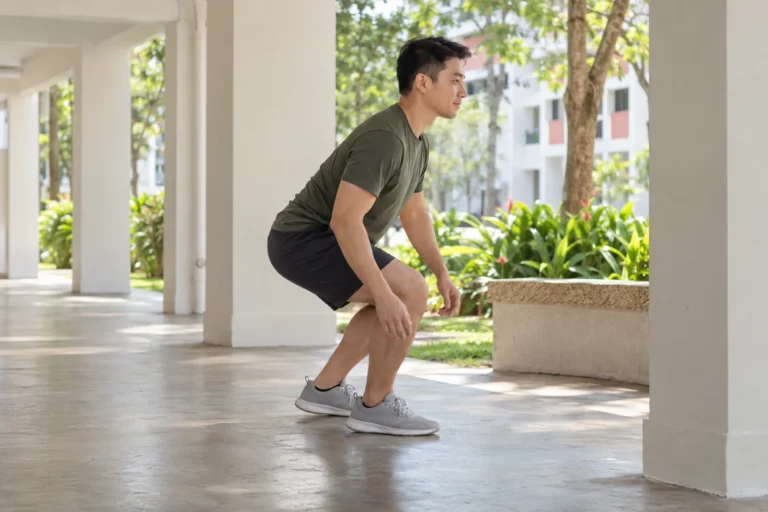
Cracking sound in the knee (popping and crepitus): what it can mean
A systematic review of knee crepitus (a popping, cracking or grinding noise or sensation from the joint) found it in about 4 in 10…
-

Which ACL injuries suit repair rather than replacement?
Only a selected group of ACL tears can be repaired. The best-known approach, proximal repair, is considered for acute tears near the ligament’s upper…
-

Knee injections for osteoarthritis: corticosteroid and hyaluronic acid
Corticosteroid injections can give short-term relief from knee osteoarthritis pain, typically lasting weeks. Guidelines disagree about hyaluronic acid injections, and the decision is individual.…
-
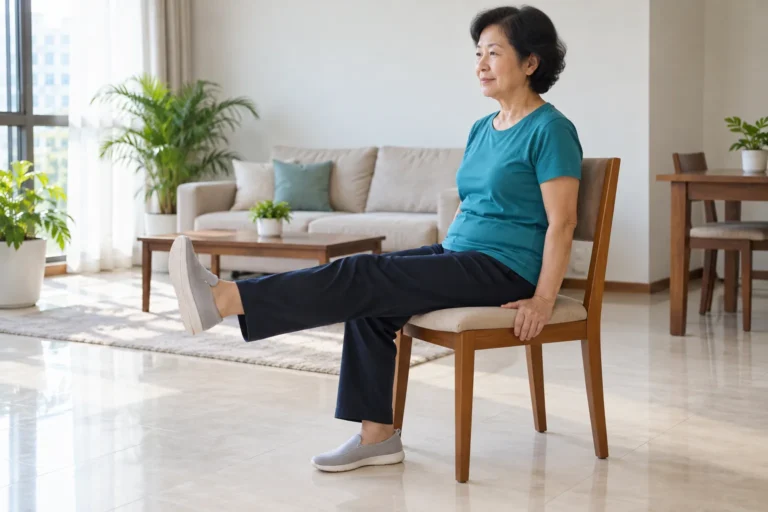
Exercises for knee pain and osteoarthritis: what the guidance says
Exercise is one of the most important treatments for people with osteoarthritis, whatever their age or level of fitness. The NHS says physical activity…
-

Kneecap (patella) dislocation: causes, symptoms and treatment
Patients with a dislocation typically present with an obvious deformity of the knee and an inability to extend, or straighten, the knee. After a…
-

Shoes and foot pain
AAOS OrthoInfo says shoes that are too tight, too loose, or without enough support can lead to unwanted stress on the feet, ankles, lower…
-

Knee braces and supports: what the guidance says
For people with osteoarthritis, NICE (the UK’s National Institute for Health and Care Excellence) says insoles, braces, tape, splints or supports should not routinely…
-

Knee wraps: what one study found
In one laboratory study of ten resistance trained men, the authors reported about a 10% increase in peak power with knee wraps in the…
-

Common causes of knee pain
The NHS lists causes of knee pain under two headings: knee pain after an injury, and knee pain with no obvious injury. The NHS…
-

How to identify an MCL tear
An MCL tear (medial collateral ligament tear) is an injury to the ligament on the inner side of the knee. The usual features of…
-

Knee symptoms you should not ignore
Some signs should not wait for a routine appointment. The NHS says knee pain can often be treated at home, and you should start…
-

How to tell if you may have torn your ACL
Some people feel or hear a pop when they tear the anterior cruciate ligament (ACL), followed by swelling and a sense that the knee…
-

Three things to know about a torn ACL
Not every anterior cruciate ligament (ACL) tear needs surgery. Some knees do well with structured rehabilitation, while others need more stability for work or…
-

Tips for recovering after ACL surgery
Rehabilitation is a central part of recovery after anterior cruciate ligament (ACL) reconstruction, an operation that replaces the torn ligament with a graft. Getting…
-

How to reduce knee swelling after an injury
For joint swelling after an injury, apply ice packs to reduce pain and swelling. Wrap the ice in a cloth. Do not place ice…
-

Knee surgery and non-surgical options
For people with osteoarthritis, NICE (the UK’s National Institute for Health and Care Excellence) says the core treatments are therapeutic exercise and weight management…