appointment@orthokinetics.sg
Emergency Call +65 8439 2120

Picture your kneecap suddenly popping out to the side—that sickening shift, the sharp pain, the fear of it happening again. MPFL reconstruction surgery rebuilds the torn ligament that keeps your kneecap centered, stopping painful dislocations and giving you back the confidence to move freely.
MPFL reconstruction repairs the torn ligament that keeps your kneecap centered. This surgery uses healthy tissue to rebuild stability, preventing painful dislocations and allowing return to sports within 4-6 months. Research shows 85-95% of patients stop experiencing kneecap dislocations after surgery.
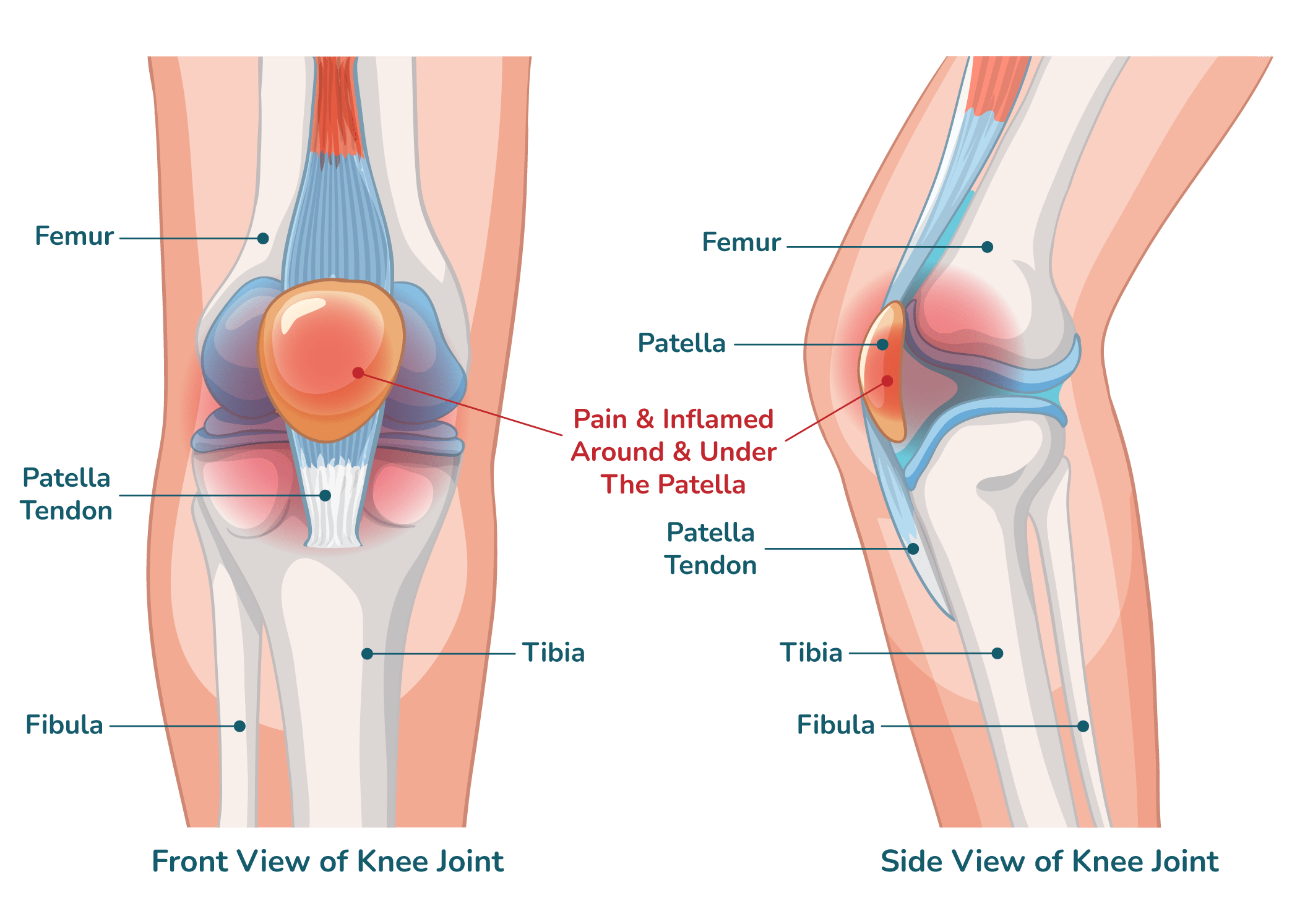
Medial Patellofemoral Ligament (MPFL) injuries are common, especially among athletes involved in sports that require sudden changes in direction, jumping, or direct contact. MPFL injuries can range from mild sprains to complete tears, often causing pain, swelling, and a sense of instability in the knee.
The MPFL is a ligament located on the inner side of the knee and helps stabilize the patella (kneecap), preventing it from dislocating or shifting out of its normal position. When injured, it can lead to difficulty with knee movement, particularly during activities like running, jumping, or twisting.
Recognizing MPFL injury symptoms early and consulting a knee specialist is key to determining the best treatment. While some MPFL injuries can be managed with rest, physiotherapy, and bracing, more severe injuries may require surgical reconstruction to restore knee stability and function.
Exploring treatment options early helps ensure a faster recovery and a confident return to normal activity or sports.
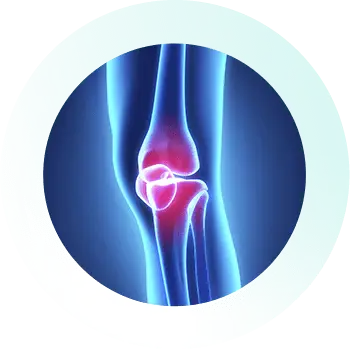
Patients typically experience pain around the kneecap, especially when pressure is applied or during specific movements such as bending or straightening the knee.
Swelling usually develops within hours of the injury as fluid and blood accumulate in the knee joint, causing tightness and discomfort.
Pain and swelling can restrict the knee’s ability to fully bend or straighten, significantly affecting mobility and daily activities.
A feeling of instability or weakness in the knee, especially during weight-bearing activities, is common with more severe MPFL tears, making it feel as if the knee is giving way.
For MPFL injuries, treatment options vary depending on the severity of the tear and the patient’s activity level. For more severe MPFL tears, particularly complete ruptures, surgical intervention may be necessary to restore knee stability and function. This often involves minimally invasive techniques to repair or reconstruct the damaged ligament, helping to ensure a return to normal movement and activity.
In cases of less severe injuries, such as partial tears or for individuals with lower activity levels, non-surgical options like bracing, physical therapy, and rehabilitation can be effective. These methods aim to strengthen the knee, restore mobility, and reduce pain, often allowing patients to resume their daily activities without surgery.
Dr. Sean Leo specializes in advanced MPFL injury treatments, offering personalized care to promote the best possible recovery. The treatment plan will be tailored to your injury’s severity, activity level, and overall health.
MPFL surgery may be necessary for individuals with significant injuries to the medial patellofemoral ligament. While some MPFL injuries can heal with conservative treatments such as rest, bracing, and physical therapy, certain factors may indicate the need for surgical intervention.
Surgical intervention for MPFL injuries may be recommended if:
Early consultation with a knee specialist is crucial to assess the severity of the injury and determine the best course of treatment, ensuring long-term knee stability and a successful recovery.
Recovery from MPFL surgery typically takes about 6 to 9 months, with full recovery and a return to sports or intense physical activities often requiring up to 12 months. The timeline can vary depending on factors such as the severity of the injury, rehabilitation progress, and individual healing capacity.
The recovery process generally follows these phases:
Initial phase (0-2 weeks)
Focus on pain management, reducing swelling, and regaining basic mobility.
Early rehabilitation (2-6 weeks)
Improve range of motion and begin light strength exercises.
Intermediate phase (6-12 weeks)
Progressive strengthening and balance training.
Advanced rehabilitation (3-6 months)
Focus on sport-specific training and agility development.
Return to activity (6-12 months)
Gradual return to full sports participation with specific drills.
A personalized rehabilitation plan, guided by a knee specialist, is crucial for a safe recovery.
MPFL surgery is generally highly successful, with excellent outcomes in restoring knee stability and function. Advances in surgical techniques and rehabilitation have significantly improved the results for patients undergoing MPFL reconstruction.
Key indicators of success include:
While MPFL surgery has a high success rate, there are potential risks and complications, as with any surgical procedure. Some patients may require revision surgery if the ligament does not heal as expected. Success is influenced by factors such as rehabilitation adherence, graft choice, and individual healing capacity.
Regular follow-up visits with your knee specialist are essential to ensure optimal healing and long-term knee health.
Cost of procedure varies based on the complexity of the surgery to be performed and individual insurance panel specifications. These will be discussed with you by Dr Sean’s clinic staff after the consultation should you wish to proceed with surgery. The clinic staff are experienced in assisting with applications for letter of guarantees from various insurance panels and corporate insurance panels.
Factors influencing the cost include:
MPFL reconstruction becomes recommended when you’ve experienced two or more kneecap dislocations or your MRI shows a complete MPFL tear. Dr. Sean Leo assesses your dislocation history, kneecap tracking during physical examination, and activity requirements. Most first-time dislocations respond well to bracing and physiotherapy. Recurrent dislocations or high-demand athletes typically require MPFL surgery for reliable stability. If conservative treatment hasn’t prevented instability after 12 weeks, surgery becomes the better option.
MPFL reconstruction carries surgical risks, though complication rates remain low with experienced surgeons. Potential issues include infection (less than 2%), blood clots, nerve irritation causing inner knee numbness, and kneecap stiffness. Over-tightening the graft can cause front knee pain, whilst under-tensioning may not prevent future dislocations. Hardware irritation from screws occurs in 5-10% of patients. Recurrent dislocation after MPFL surgery happens in 5-10% of cases, often related to severe groove abnormalities.
Yes, MPFL reconstruction frequently combines with other procedures when multiple factors contribute to kneecap instability. Tibial tubercle transfer addresses malalignment that MPFL repair alone can’t fix. Cartilage restoration procedures treat damage from repeated dislocations. Dr. Sean Leo uses pre-operative radiological scans (MRI and/or CT) to determine if isolated MPFL reconstruction will suffice. Combined procedures extend recovery timelines but may be necessary for complex instability patterns.
Most athletes are able to return to their pre-injury level of competition within 4 to 6 months when they complete a structured rehabilitation programme.
Clearance for sport typically requires full, pain free range of motion, quadriceps strength comparable to the opposite leg, and successful completion of functional hop testing. Athletes participating in pivoting sports such as basketball, netball, and football may require slightly more time before returning compared to those involved in straight line activities.
Your surgeon works closely with sports physiotherapists to guide you safely through each phase of the return to sport process. Structured MPFL reconstruction recovery minimises redislocation risk whilst maximising performance.
MPFL reconstruction surgery costs in Singapore vary based on surgical complexity and insurance coverage. Cost components include surgeon’s fees, anaesthesia, hospital fees, and physiotherapy sessions over 4-6 months. Many corporate health plans cover MPFL reconstruction when medically necessary for recurrent dislocations. Experienced clinic staff assist with letter of guarantee applications to various insurance panels. Specific pricing is provided after Dr. Sean Leo assesses your injury pattern during consultation.
Each dislocation episode can damage the cartilage of the kneecap, creating defects that have limited capacity to heal. Over time, chronic instability is associated with an increased risk of developing painful kneecap arthritis, sometimes at a relatively young age. As instability persists, activity levels may gradually decline, with fear of further dislocation affecting both sports participation and everyday movements.
Chronic instability causes compensatory movement patterns leading to hip pain and quad weakness. Active individuals typically face worsening instability and increasing arthritis risk without MPFL reconstruction.
MPFL reconstruction differs from ACL or PCL reconstruction in anatomy, biomechanics, and recovery. The MPFL is a thin ligament on your kneecap requiring precise femoral attachment positioning. MPFL surgery focuses on kneecap tracking rather than overall knee stability. Recovery progresses faster than ACL (4-6 months vs 9-12 months). Both achieve high success rates, but MPFL surgery presents unique challenges in avoiding over-tightening.
Bring all imaging studies including MRI scans showing MPFL integrity and X-rays revealing alignment measurements. Document your dislocation history like how many times, what activities caused them, and treatments attempted. Compile current medications, supplements, and allergies for safe surgical planning. If you have insurance, bring your card and policy documents for coverage verification. Prepare questions about the MPFL reconstruction procedure, recovery restrictions, and timeline expectations.
MPFL reconstruction isn’t limited to young athletes as older adults can achieve significant improvements when appropriately selected. Patients in their 40s-60s with chronic instability limiting daily activities often benefit despite not returning to competitive sports. The decision balances overall health, bone quality, activity goals, and existing arthritis. Research shows motivated older patients achieve 70-80% functional improvement even without high-impact sports. MPFL reconstruction eliminates dislocation events that accelerate cartilage degeneration.
Schedule consultation within 1-2 weeks of your first dislocation for accurate assessment whilst acute signs guide diagnosis. Early MRI imaging within 2-4 weeks provides clearest pictures of MPFL tear severity and cartilage damage. Immediate consultation becomes critical if your kneecap won’t reduce, you have severe swelling, or this represents your second dislocation. Delaying assessment beyond 6-8 weeks risks chronic apprehension and progressive cartilage deterioration. Dr. Sean Leo recommends prompt evaluation to determine if bracing suffices or if MPFL reconstruction provides better outcomes.
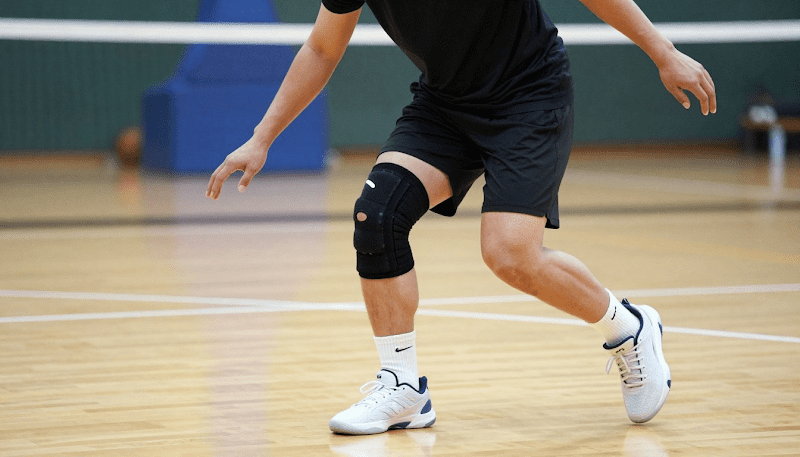
That sickening sideways shift of your kneecap, the anxiety before every pivot, the fear of it popping out again during simple movements, these worries don’t have to control your life. Recurrent kneecap dislocations progressively damage cartilage, creating arthritis that no surgery can reverse once established.
With over 25 years of clinical experience, including a subspecialisation in knee and lower limb surgery, Dr Sean Leo provides evidence-based assessment and personalised MPFL treatment planning. Your kneecap instability may improve with bracing and targeted exercises, or it may require MPFL reconstruction surgery in Singapore for more reliable stability. A specialist evaluation determines the approach that best protects your joint long-term.
Imagine six months from now and you’re cutting confidently on the basketball court, descending stairs without hesitation, moving freely without that nagging fear. That future starts with accurate diagnosis today.
Every knee is different, and so is every recovery. A conversation with a specialist can help you understand what is possible for yours. Dr. Sean Leo has guided many patients through this journey, taking the time to explain each step so you feel informed and confident about the path ahead.
