
Introduction
Recovery after surgery hub · Dr Sean Leo
Recovery after surgery in Singapore: what to expect, by type of operation
Dr Sean Leo · Orthopaedic Surgeon (Specialist in Orthopaedic Surgery)

Dr Sean LeoOrthopaedic Surgeon, Singapore
Clinic enquiries · Not an emergency service
Illustrative image
Start here
Start here
Start here
Start by understanding what recovery involves, not counting the days.
- Recovery questions overlap across operations. This page helps you find the right recovery page without asking you to judge your own progress. Recovery content here sits in three layers: what applies to any operation, what applies to your type of operation, and what applies to your procedure. The instructions that apply to you are the ones your own surgical team gave you.
- Whether you are preparing for an operation or already recovering from one, there is a place to start.
- OrthoKinetics is Dr Sean Leo’s professional brand. Clinical consultations and treatment are provided through OrthoSports Orthopaedic & Sports Surgery.
What’s covered on this webpage
Follow the route in order, or jump to the stop you need. Stops you have read are marked.
When should a recovery question be looked at
When should a recovery question be looked at
When should a recovery question be looked at?
Before the operation, and after it. Recovery is worth understanding while you are preparing as well as while you are living through it. The right page depends on where you are now.
- Preparing? Start with preparing for surgery.
- Recovering? Find your type of operation in the pathway grid.
This page orients. It does not monitor or triage an individual recovery.
Safety note: OrthoKinetics does not provide emergency or urgent care through this webpage or its WhatsApp contact.

What does planning for recovery involve
What does planning for recovery involve
What does planning for recovery involve?
Planning is shared. Your team plans the clinical side with you: the operation, how it is protected, and the follow-up. You plan the practical side: your time, help at home, work and transport.
The preparation page covers the general version of that practical planning. The family pages then describe what recovery usually asks of people who have had that type of operation. Your procedure page holds the protocol for your own case.
Every plan is individual. These pages describe. They do not prescribe. Each fact lives in one place, so you never have to wonder which version to trust.

Describe where you are in recovery, not what you fear.
Describe where you are in recovery, not what you fear.
Describe where you are in recovery, not what you fear.
You do not need a diagnosis to find the right page. Three words are enough:
- The operation, or its family: knee ligament, meniscus, knee replacement, hip, shoulder, foot and ankle, and so on.
- The stage: preparing, early recovery, or returning to activity.
- The goal: daily life, work, driving or sport.
For example, “knee replacement, a few weeks in, wanting to plan my return to work” leads to the knee replacement recovery page.
Describing your stage does not confirm that your recovery is on track or off it. That judgement stays with your care team.
Recovery pathways
Recovery pathways
Pathways
Find the relevant recovery pathway.
Each layer has a home. This table shows where.
| Layer | What lives there | Where to read |
|---|---|---|
| Any operation | Preparation, and the general picture of recovery | Preparing for surgery; Recovery after any operation |
| Your type of operation | The phases typical for that family of operations | The family page for your surgery |
| Your procedure | The protocol for your specific operation | Your procedure page, and your own team’s written instructions |
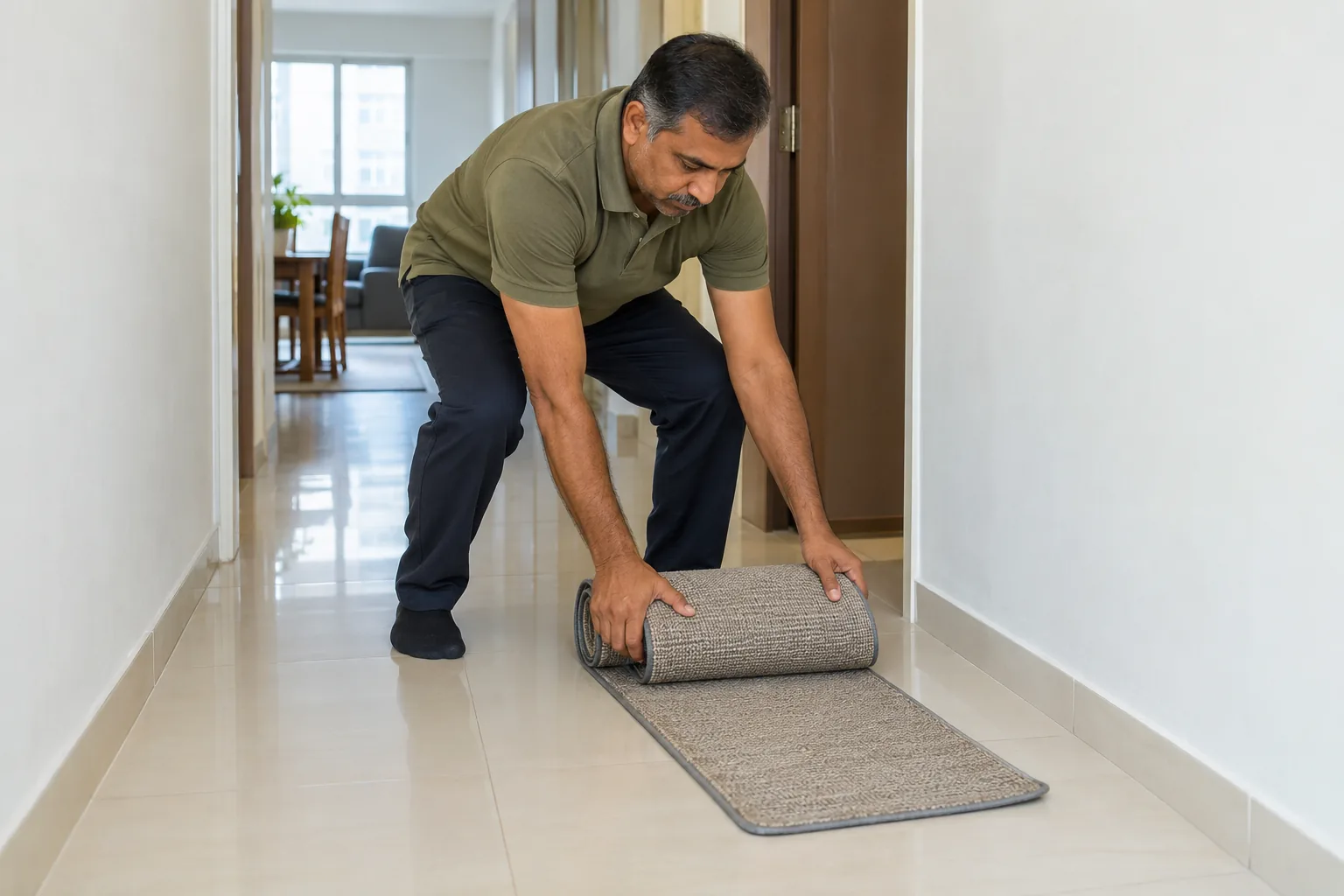
Applies to any operation
- Preparing for surgery. What to sort out before any operation, in its general form. Your hospital gives you the exact instructions.
- Recovery after any operation. The general picture of recovering, including how return to activity is judged.
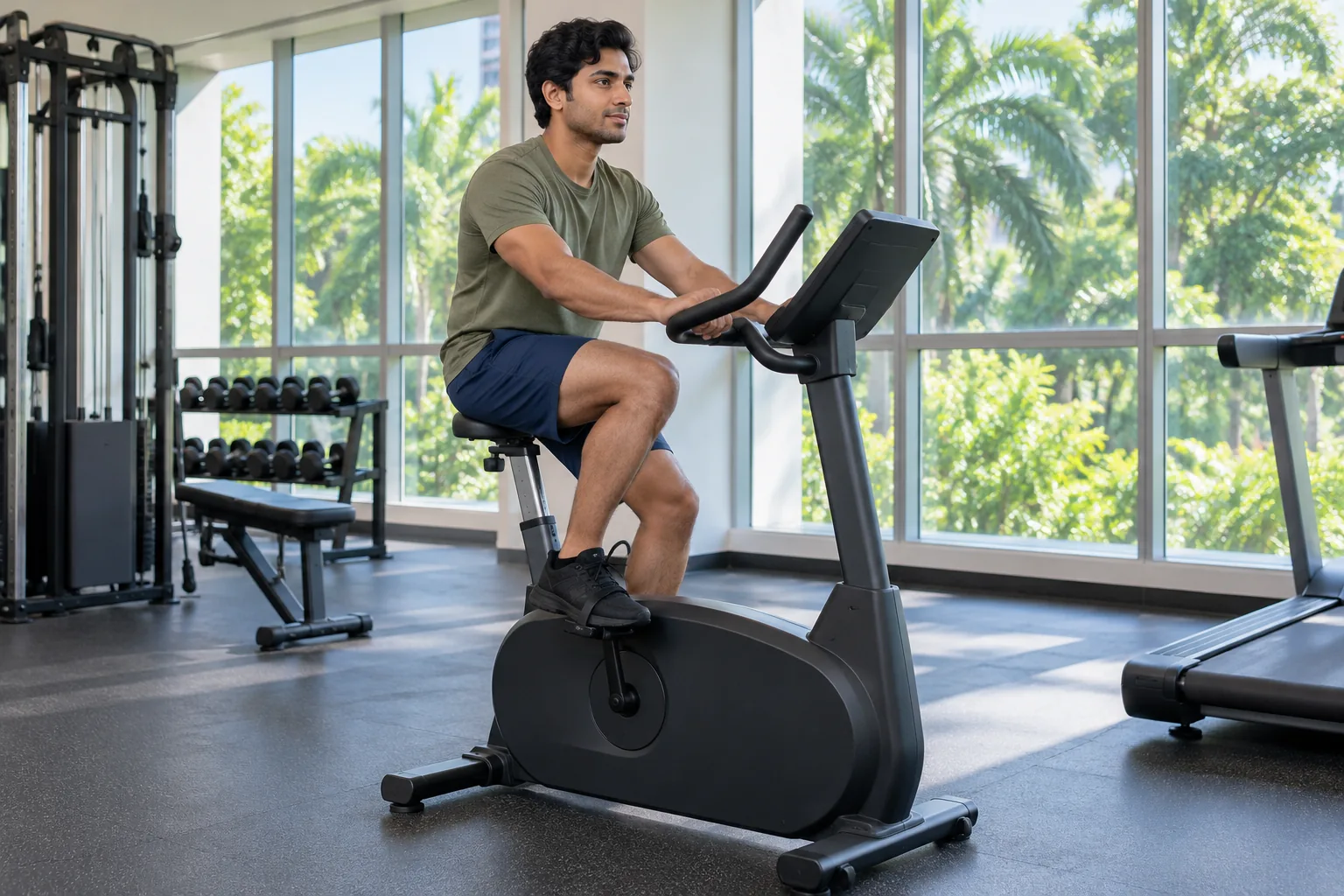
By type of operation
Knee
- Knee ligament reconstruction recovery. For ACL, PCL and MCL surgery. Your own operation’s instructions come first.
- Meniscus and arthroscopy recovery. For keyhole knee surgery on the meniscus. Reading it cannot confirm what applies to you.
- Knee replacement recovery. For total and partial knee replacement. Your team’s written plan outranks any page.
- Kneecap stabilisation recovery. For MPFL reconstruction and kneecap realignment (tibial tubercle osteotomy). Your own team’s instructions come first.
- Cartilage repair recovery. For knee cartilage repair, including microfracture, osteochondral autograft (OATS) and autologous chondrocyte implantation (ACI). Your own team’s instructions come first.
- Knee osteotomy recovery. For high tibial osteotomy (HTO) and distal femoral osteotomy (DFO). Your own team’s instructions come first.
Hip
- Hip surgery recovery. For hip replacement and keyhole hip surgery (hip arthroscopy). Your own team’s instructions come first.
Shoulder
- Shoulder surgery recovery. For rotator cuff repair and shoulder stabilisation surgery. Your own team’s instructions come first.
Foot and ankle
- Foot and ankle surgery recovery. For Achilles tendon repair, ankle ligament tightening, ankle fracture fixation, bunion (hallux valgus) correction and ankle fusion. Your own team’s instructions come first.
What timelines can and cannot tell you
What timelines can and cannot tell you
What timelines can and cannot tell you
Dates orient. They do not clear you.
The family pages describe the typical phases for each type of operation. Your procedure page holds the protocol for your case. How progress toward work, driving or sport is judged is explained on the general recovery page.
Nothing here sets or implies a timeline for you.

Recovery follows the operation and the person.
Recovery follows the operation and the person.
Recovery
Recovery follows the operation and the person.
Two people can have the same operation and recover differently. That is not a sign that something is wrong.
The operation shapes the broad pattern. That is why these pages are grouped by type of operation.
The person shapes the pace. Health, support, work and daily demands all differ.
The plan connects the two. The route runs from operation to family, then to procedure, then to your team.
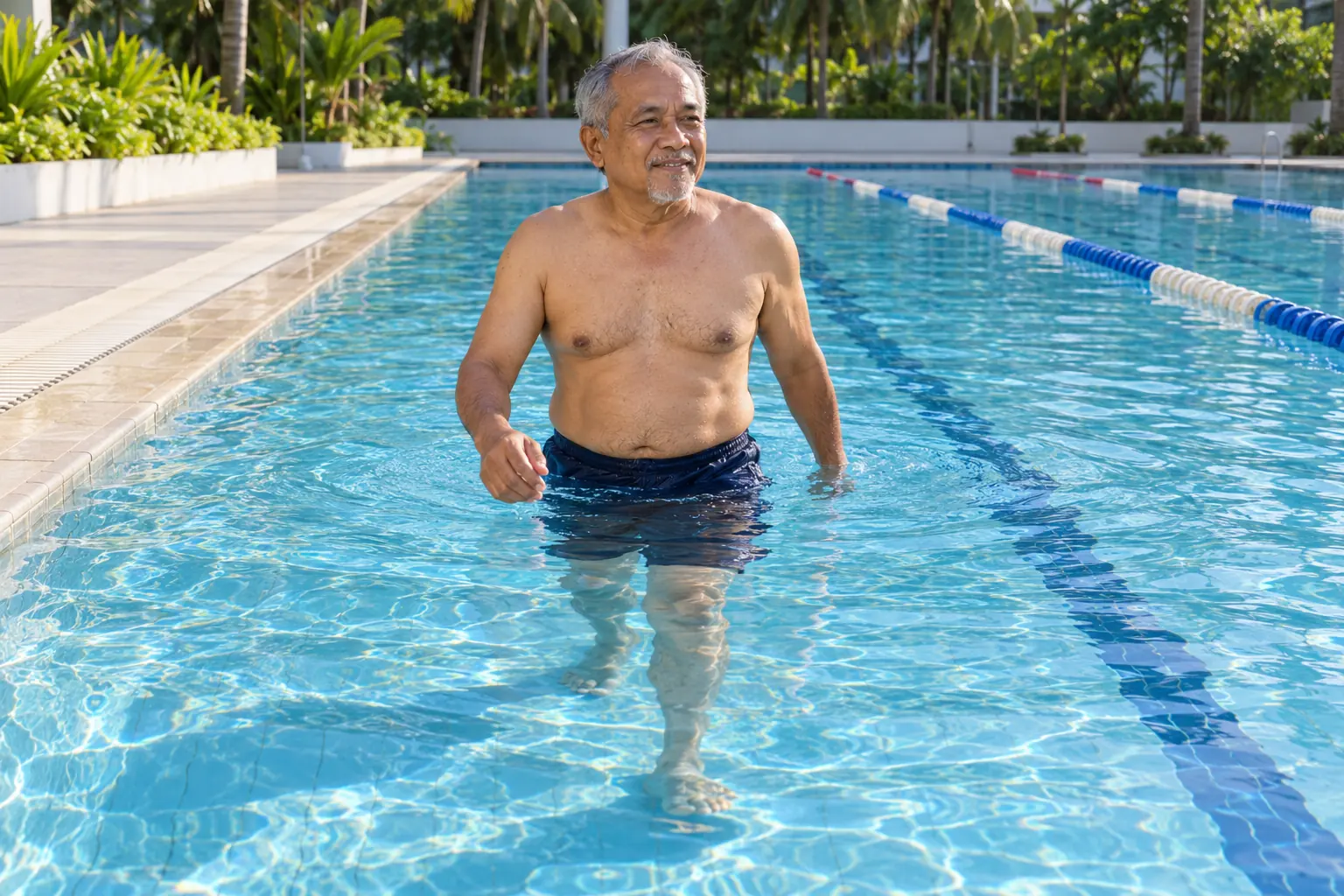
Structure / Patient / Goal
Structure / Patient / Goal
Deciding together
Structure / Patient / Goal
S
Structure: what was operated on?
The operation sets which family page describes your recovery. It is the opening routing step, and nothing more.
P
Patient: who is recovering?
Patient means you: your health, your home and the help around you, and the demands of your work and activity. The preparation page covers this practical side in general terms.
G
Goal: what do you want back?
Goal is what you want to return to. Naming it early shows which questions matter at each stage. How and when it is reached is judged with your team.
Your plan
Protection, rebuilding and return are phases, not dates.
Protection, rebuilding and return are phases, not dates.
Protection, rebuilding and return are phases, not dates.
The recovery pages use three orientation labels: protection, rebuilding and return. Each family page gives them meaning for its own operations.
They organise a recovery. They are not steps with fixed lengths. Not every recovery moves through them at the same pace.

Technology supports recovery; it does not replace your care team.
Technology supports recovery; it does not replace your care team.
Technology supports recovery; it does not replace your care team.
Your written discharge instructions and your team’s advice govern your recovery. Apps, wearables and trackers can help with reminders and tracking, where your team is happy for you to use them.
No tool judges whether you are recovering well. Nothing on this site overrides a clinical instruction. For home set-up, see the preparation page. For day-to-day care, see the general recovery page.

What happens next?
What happens next?
What happens next?
If you are preparing, start at the preparation page. If you are recovering, find your family in the grid. If the operation has not been discussed yet, the condition and procedure pages are the place to begin. When you want the plan to be yours, you can arrange an assessment.
Billing and insurance

Insurance panels. Dr Sean Leo, Orthopaedic Surgeon, is on the specialist panels of Great Eastern (GE Panel), HSBC Life (HSBC Life Shield) and Singlife (Singlife Shield), and on the Prudential Panel. AXA Insurance Singapore became part of HSBC Life in 2023, and former AXA Shield plans are now HSBC Life Shield plans.
Corporate health plans. Dr Leo is on the panels of both Alliance Medinet and iXchange, which administer medical benefits for many company health plans. If your company plan uses either panel, you can see Dr Leo as a panel doctor.
If your company uses a different panel. Some company plans still let you see a doctor of your choice outside their panel, then claim reimbursement. This varies from plan to plan, as may the co-payment, so please check your benefits with your company’s HR department.
Panel arrangements change from time to time, so please confirm with your insurer or your company’s plan administrator before your appointment.
Dr Leo is on the panels shown. If your insurer is not listed, you may ask whether co-management with an Orthosports surgeon partner on that panel is clinically and administratively appropriate. Orthosports surgeon partners are collectively on the panels of all Shield plans.
A cost estimate for surgery can be given only after a consultation and assessment, once a surgical plan has been developed.
For how costs, MediSave and insurance work in Singapore, see costs, MediSave and insurance, explained.
Arrange an orthopaedic assessment
Arrange a consultation: the appointment section is further down this page.

 With you through the seasons
Meet Dr Sean Leo
Meet Dr Sean Leo
A consultant orthopaedic surgeon whose clinical focus is the knee, sports injuries and the lower limb.
- Dr Sean Leo is a consultant orthopaedic surgeon. OrthoKinetics is his professional brand; clinical services are provided through OrthoSports Orthopaedic & Sports Surgery at Mount Elizabeth Novena Specialist Centre and Connexion, Farrer Park Hospital.
- His clinical interests include sports injuries, including those in adolescent athletes; ligament reconstruction; realignment surgery; cartilage repair and joint-preservation approaches; knee replacement; and technology-assisted hip and knee surgery.
- The consistent aim is to return people to meaningful function and activity while avoiding unnecessary downtime.
- Qualifications: MBBS, MRCS (Ed), MMed (Ortho), FRCSEd (Ortho).
More detail: Meet Dr Sean Leo
- Training and career: Dr Leo trained in medicine at the National University of Singapore and served in the Singapore Armed Forces Medical Corps from 2000 to 2012, where his work included the care of soldiers in physically demanding roles. He completed postgraduate orthopaedic training in 2009 and a one-year clinical fellowship at Royal North Shore Hospital in Sydney, Australia, before joining Changi General Hospital as an orthopaedic consultant in 2012, where he later held the positions of Senior Consultant and Director of the Hip and Knee Service. With seniority, his educational contribution has evolved towards mentorship and support for junior doctors.


OrthoKinetics Recovery Reflection
Recovery reflection
Does knowing the route change the recovery itself?
A map does not make the walk shorter. It does make the early steps steadier, and it helps with every step after. Knowing where each page lives, and whose instructions come first, lets you spend your energy on recovering rather than on searching.
Illustrative image
Questions people often ask
Common recovery questions
Common recovery questions
How long does recovery take after surgery?
There is no single answer. Family pages describe typical phases for each type of operation, your procedure page holds the protocol for your case, and the general recovery page explains how progress is judged. Your own surgical team decides what applies to you.
Where do I find the instructions for my specific operation?
Start with your own team’s written instructions, which come first. Your procedure page’s recovery section gives the protocol for that operation, and the family page for your type of surgery gives the broader picture.
What should I sort out before my operation?
The preparation page covers the general version. Your hospital and surgical team give you the exact instructions for your own operation, and those are the ones to follow.
How do I know if my recovery is on track?
That judgement belongs to your care team. The general recovery page explains what is normal after any operation, and your team can tell you how your own recovery is going.
When can I drive, work or play sport again?
Family pages give the typical picture for each type of operation. The general recovery page explains how that decision is judged. Your own team decides for you, based on how you are recovering, not on the calendar alone.
What are the warning signs after surgery?
Your hospital’s own discharge instructions tell you whom to contact. Each family page carries its own urgent-signs list in its final section.
Is recovery different after a total versus a partial knee replacement?
The knee replacement recovery page covers the family as a whole. Each procedure page holds its own protocol. Your team’s instructions for your operation come first.
References
References
References
The clinical sources behind each page are listed on that page. This page states no clinical claim of its own.
- Preparing for surgery
- Recovery after any operation
- Knee ligament reconstruction recovery
- Meniscus and arthroscopy recovery
- Knee replacement recovery
- Kneecap stabilisation recovery
- Cartilage repair recovery
- Knee osteotomy recovery
- Hip surgery recovery
- Shoulder surgery recovery
- Foot and ankle surgery recovery
Final next step
Final next step
Next step
Final next step
Reading about a problem is a starting point. An assessment brings together the history, an examination where needed and any useful tests, and helps you and your clinician decide what to do next. How much physical examination is needed is a matter of clinical judgement. It may be limited when pain makes an examination unreliable, or when imaging clearly shows a problem that matches the symptoms, such as a fracture seen on an X-ray or an MRI scan that clearly shows an injury consistent with the symptoms. The Singapore Medical Council and the UK General Medical Council both allow remote medical consultations, where a physical examination is not possible, with safeguards: the doctor must be clear about the limits of an opinion formed without an examination, and whether an in-person examination is needed, or referral to other services, is left to the clinical judgement of the attending doctor.
If an injury may need urgent attention, use the urgent-signs list for the area involved. For a knee, hip, shoulder, or foot and ankle injury, use the urgent-signs list for that area.
Arrange a consultation
Appointments are arranged through the OrthoSports clinic team. Send your details below, or message or call the clinic.
Leave your details and the clinic team will reply to arrange a time.
Message the clinic on WhatsApp
-
38 Irrawaddy Road, #10-41 Mount Elizabeth Novena Specialist Centre, Singapore 329563 Map for Orthosports@Novena (opens Google Maps)
-
1 Farrer Park Station Road, #15-17 Connexion, Singapore 217562 Map for Orthosports@Connexion (opens Google Maps)
WhatsApp is for clinic enquiries only. It is not an emergency service and is not monitored for urgent care. Website or messaging contact is not an emergency-response service. For a medical emergency, use your local emergency service.
- OrthoKinetics does not provide emergency or urgent care through this webpage or its WhatsApp contact.