
Articles
Articles on knee, hip, shoulder, foot and ankle problems and sports injuries.
Comparison guides
-
Bone bruise vs fracture: how to tell, scans needed and healing time
Knee bone bruise vs fracture explained: how X-rays and MRI tell them apart, Lynch and Vellet classifications, red flags and recovery timelines.
-
Steroid vs Hyaluronic Acid Knee Injections
Steroid and hyaluronic acid knee injections work differently. How they compare in relief, duration and guideline support, and why the choice is individual.
-
Robotic vs Conventional Knee Replacement
What robotic assistance adds to knee replacement, what the evidence shows compared with conventional surgery, and who it may suit.
-
Partial vs Complete ACL Tear: What It Means
What separates a partial from a complete ACL tear, how clinicians tell, and what the difference does — and does not — decide about treatment.
-
Meniscus Tear vs Cartilage Wear
"Torn cartilage" can mean a meniscus tear or cartilage wear. How the two differ, why one can heal and the other thins, and what each means.
-
ACL vs MCL Tear: Key Differences
ACL vs MCL knee ligament tears: how location (centre vs inner knee), injury pattern, clinical tests, non-surgical healing, and recovery milestones differ.
-
ACL vs Meniscus Tear: How to Tell Them Apart
A torn ACL and a torn meniscus can both follow a twisted knee. How the injuries differ in symptoms, swelling and treatment, and how they are told apart.
-
Partial or total knee replacement: how the two operations compare
How partial and total knee replacement differ, which knees may suit a partial one, and what the main trial and reviews report. OrthoKinetics, Singapore.




-

Locked Knee and Knee Catching: Causes, Assessment, and Care
A locked knee is a knee that gets stuck and cannot fully straighten. Doctors distinguish between two main patterns: true mechanical locking, where a…
-
Knee Bursitis: Causes, Types of Swelling, and Care
Knee bursitis is inflammation and swelling of a bursa, one of the thin, fluid-filled sacs that cushion bones, tendons, and skin around the knee…
-

Kneecap (Patella) Fracture: Types, Treatment, and Recovery
A kneecap (patella) fracture is a break in the small bone at the front of the knee that shields the joint and acts as…
-
Bone bruise vs fracture: how to tell, scans needed and healing time
A knee bone bruise (occult intraosseous injury) involves focal blood pooling, marrow swelling (oedema), reactive increased blood flow (hyperaemia) and possible microscopic injury to…
-
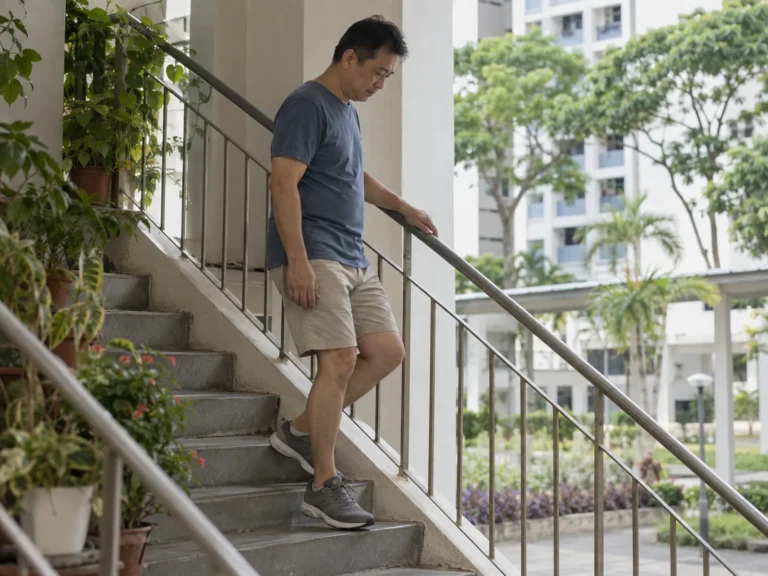
Knee Pain When Bending, Using Stairs or Squatting: Causes, Self-Care and Red Flags
Front-of-knee aching that flares when you bend your knee, climb stairs, squat or sit with your knee bent for a long period is often…
-

Baker’s cyst (popliteal cyst): causes, warning signs and treatment
A Baker’s cyst, also called a popliteal cyst, is a fluid-filled lump at the back of the knee. In adults, it usually forms when…
-

Degenerative meniscus tear: what 10-year evidence means for knee arthroscopy
At a glance: what the 10-year evidence means A 10-year sham-controlled trial found no long-term benefit from trimming a degenerative meniscus tear with keyhole…
-

Knee cartilage damage: causes, symptoms and treatment
Knee cartilage has a limited ability to repair itself. For knee osteoarthritis, guidelines start with education, exercise and weight management. Repair procedures exist for…
-

Weight Loss and Knee Osteoarthritis: Why It Can Make A Meaningful Difference
Contributed by Dr Linsey Gani, Consultant Endocrinologist (MBBS (Aust), B Med Sci, FRACP (Endocrine), FAMS (S’pore), MPH (Harvard)), Linsey Gani Endocrinology. This is a…
-
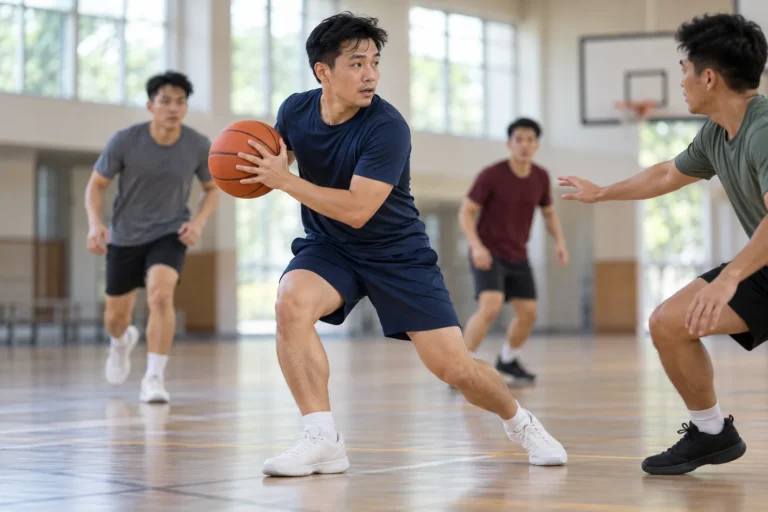
Meniscus injury in athletes: how it happens and how it is treated
Meniscus injuries are estimated to account for 10 to 20 percent of knee injuries in young athletes, as cited in a 2024 review (Marigi…
-
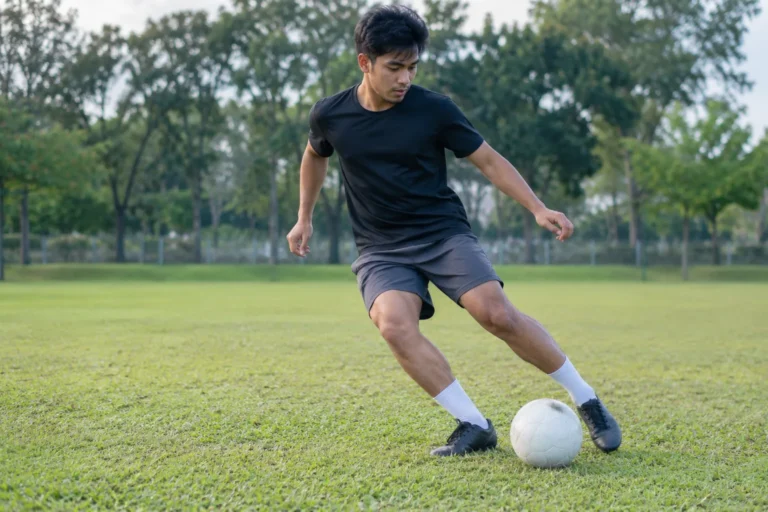
MCL knee tear: symptoms, causes, grades (1–3) and healing
An MCL tear (medial collateral ligament tear) is an injury to the ligament on the inner side of the knee. Most isolated MCL injuries…
-
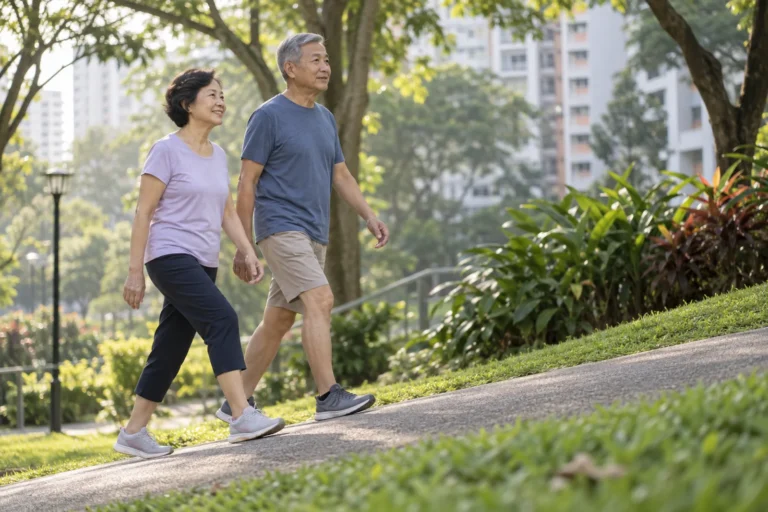
Partial or total knee replacement: how the two operations compare
A partial knee replacement replaces only the damaged compartment of the knee. In one randomised trial of 528 patients, the two operations showed no…
-

What to expect before and after ACL reconstruction surgery
Anterior cruciate ligament (ACL) reconstruction can often be done as day surgery. Before any decision about surgery, the first step is an assessment. ACL…
-
Types of arthritis: symptoms, causes and treatment
Arthritis is a general term for more than 100 conditions that cause pain, swelling and stiffness in the joints. Osteoarthritis (OA) is the most…
-

Some injuries runners can get: what AAOS and NHS pages say
Most stress fractures are caused by overuse and repetitive activity; they are common in runners and athletes who participate in running-intensive sports, such as…
-
Knee fat pad syndrome: causes, symptoms and treatment
At a glance: Hoffa’s fat pad syndrome (infrapatellar fat pad impingement) is a cause of front-of-knee (anterior) pain in which the richly innervated cushion…
-

Understanding patella alta and patella baja
At a glance: Patella alta is a kneecap that sits higher than usual in relation to the thigh bone (femur), and patella baja (also…
-
Knee plica syndrome: causes, symptoms and treatment
At a glance: A plica is an inward fold of the synovial lining of the knee joint that is present in most knees and…
-
ACL injuries: understanding, treatment and recovery
An ACL tear does not automatically mean that an operation is needed. There are three possible pathways. The right one depends on how the…
-
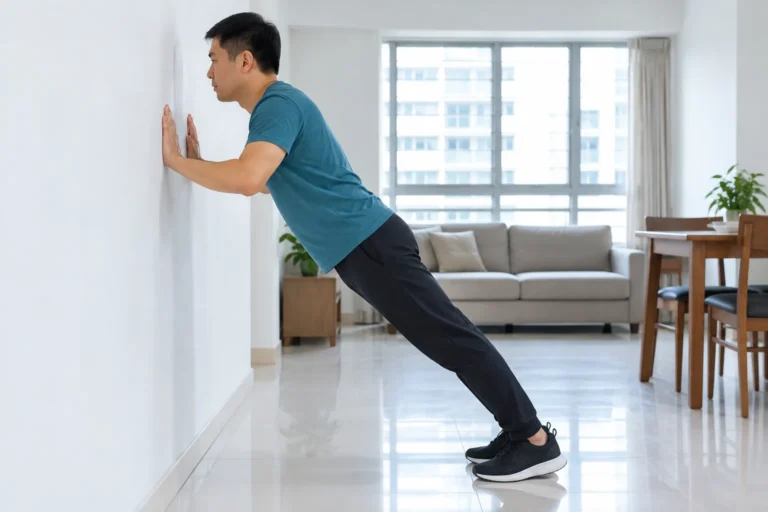
Full body workout at home: no equipment
A full body workout at home needs only a wall and a solid chair: a short warm-up, then simple strength moves such as wall…
-

Suitable Cardio Exercises for Knee and Ankle Injuries
AAOS OrthoInfo’s page on cross training says that if you do become injured, you usually will not have to give up your entire fitness…
-
Knee injury dos and don’ts
For the first 2 to 3 days after a sprain or strain, follow the 5 steps known as PRICE therapy to help bring down…
-

Physical Activity Guidelines by Age
The NHS says adults aged 19 to 64 should “do at least 150 minutes of moderate intensity activity a week or 75 minutes of…
-
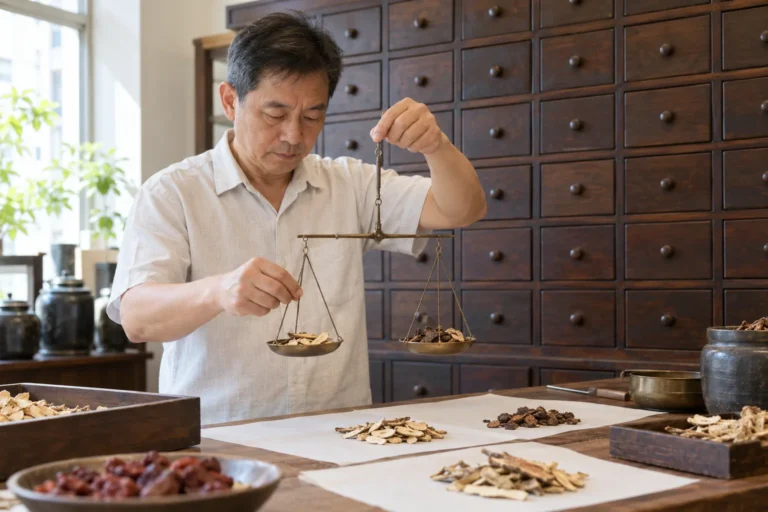
Traditional Chinese Medicine Therapy for Sports Injuries
This article is written with the intention of providing information to the general public rather than with an academic or research focus. Traditional Chinese…