
Introduction
Knee care · Ligament injuries
ACL vs MCL tear: how the two injuries differ

Dr Sean LeoOrthopaedic Surgeon, Singapore
Clinic enquiries · Not an emergency service
Illustrative image

At a glance
At a glance
At a glance: how an ACL tear and an MCL tear differ
ACL (anterior cruciate ligament) and MCL (medial collateral ligament) tears can feel alike. The ACL sits inside the knee and controls forward and twisting movement. The MCL runs along the inner side and resists inward bending. A clinician tells them apart with examination and, where needed, an MRI scan.
What’s covered on this webpage
Follow the route in order, or jump to the stop you need. Stops you have read are marked.
What are the ACL and MCL, and what do they do
What are the ACL and MCL, and what do they do
What are the ACL and MCL, and what do they do?
The ACL sits deep in the centre of the knee. The MCL is a band along the inner side.
The knee has four main ligaments. They are tough bands that connect bone to bone. The ACL prevents the shin bone from sliding out in front of the thigh bone. It also helps steady the knee when you twist. The MCL resists force that pushes the knee inward [1].

How does each injury usually happen
How does each injury usually happen
How does each injury usually happen?
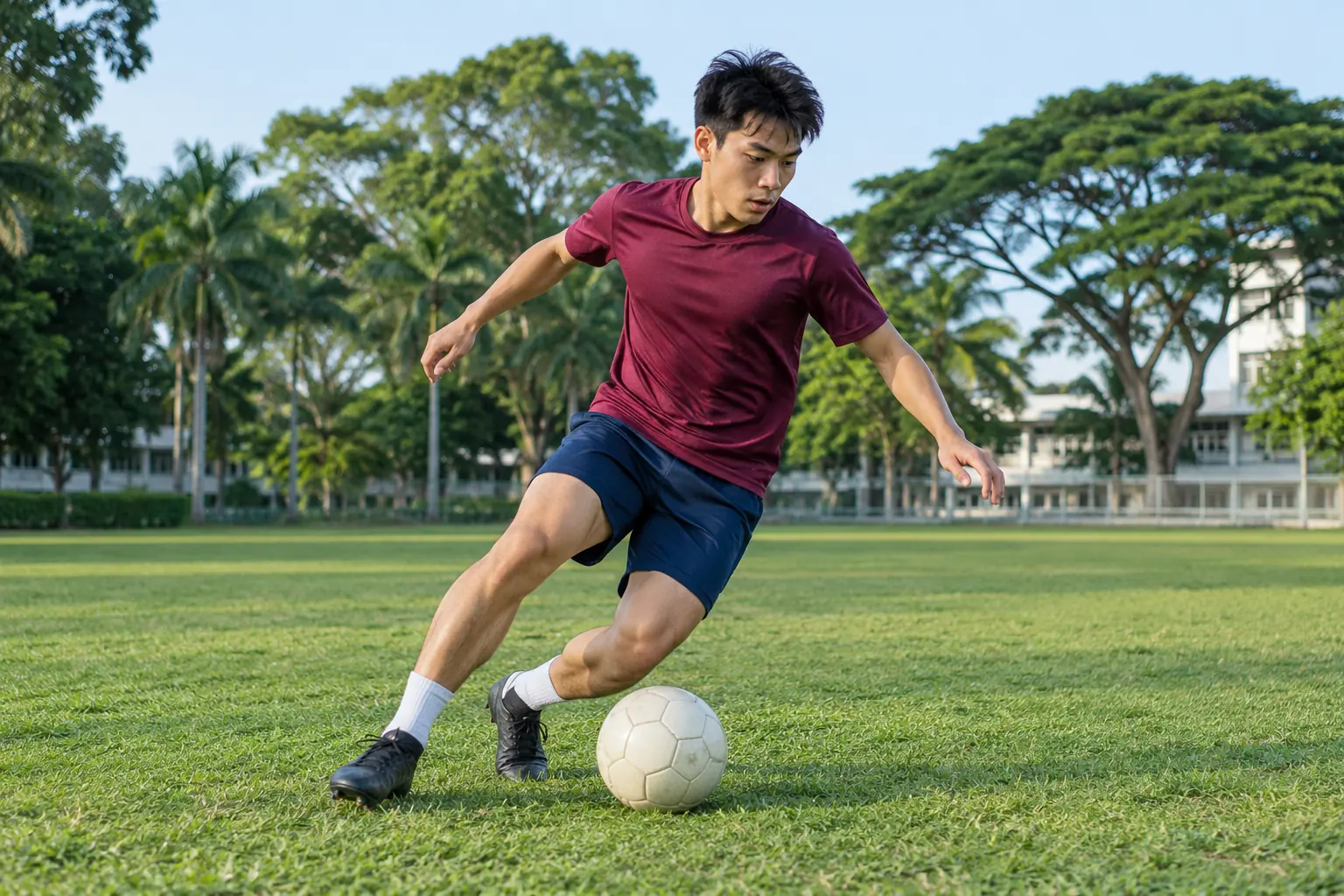
ACL tears often follow a twist or awkward landing. MCL tears often follow a blow to the outer knee.
An ACL tear typically follows a pivot without contact, a sudden slowdown, an awkward landing or the knee bending back too far. Some people feel or hear a pop, then notice swelling and a sense that the knee cannot be trusted. A pop can be a sign, but it is not a diagnosis, and not everyone notices it.
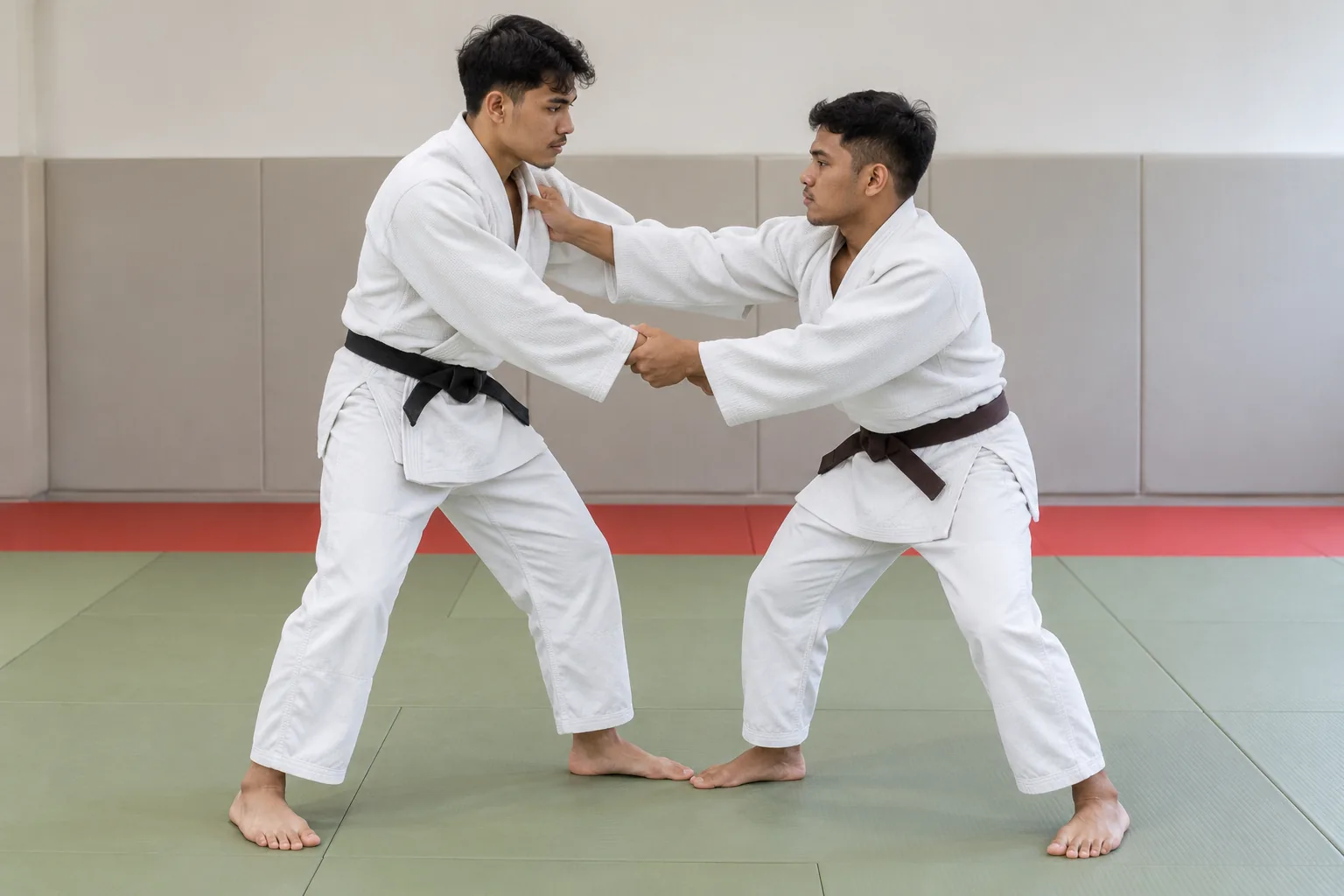
An MCL injury typically follows force pushing the knee inward. That may be a blow to the outer knee or a twist without contact, as in skiing or cutting sports [1].
The stories overlap, and either injury can follow a direct blow. Your story guides the examination. It does not replace it.
What does each one feel like?
What does each one feel like?
What does each one feel like?
Both injuries can hurt, swell and feel unstable. The pattern is a clue, not an answer.
With an ACL tear, the pattern often centres on a pop, early swelling and a knee that feels unreliable. With an MCL tear, it often centres on pain and tenderness along the inner knee after an inward force. Some people can walk on an injured knee.
See also identifying an ACL tear, how to identify an MCL tear and MCL tear symptoms, causes and treatment.
ACL tear and MCL tear side by side
ACL tear and MCL tear side by side
ACL tear and MCL tear side by side
Each row is a general pattern, not a self-test.
| ACL tear (anterior cruciate ligament) | MCL tear (medial collateral ligament) | |
|---|---|---|
| Where it sits | Centre of the knee | Inner side of the knee |
| Main job | Stops the shin sliding forward under the thigh bone | Resists inward force on the knee |
| How it often happens | A pivot without contact, a sudden slowdown, an awkward landing or the knee bending back too far | A blow to the outer knee, or an inward twist, as in skiing or cutting sports |
| What people often notice | Sometimes a pop, early swelling, a knee that cannot be trusted | Pain and tenderness along the inner knee after an inward force |
| How a clinician checks | Lachman test, anterior drawer, pivot shift test | Valgus stress test |
| Where MRI fits | Adds information early. Does not decide treatment by itself | Often not needed for grade I or II. Used for grade III or a suspected combined injury |
| Usual direction of treatment | Individualised. Rehabilitation with the option of later reconstruction, or reconstruction | Most heal without surgery, with protected movement and progressive strengthening |
| Recovery shape | Months to a year after reconstruction, judged by milestones | Weeks to months when surgery is not needed. Months after reconstruction |
How does a clinician tell them apart
How does a clinician tell them apart
How does a clinician tell them apart?
The hands come first, then imaging if needed. Each test feels for one kind of movement.
Your clinician starts with your story, then examines the knee. These are not self-tests.
- Lachman test. The knee is slightly bent. The clinician gently pulls the shin forward to feel whether the ACL restrains it. It is the most sensitive bedside test for ACL injury [2].
- Anterior drawer. The knee is bent further. The clinician pulls the shin forward and feels for extra movement [3].
- Pivot shift test. The clinician gently rotates and straightens the knee to feel the shift a torn ACL can allow. It is very specific but not very sensitive, especially in partial tears. A negative test does not exclude a tear [2].
- Valgus stress test. The clinician applies gentle sideways pressure, first with the knee bent about 30° and then straight, to see whether the inner side opens. It is the key MCL test [1].
An MRI scan shows the extent of an injury and any other structure involved. It is often not needed for a straightforward grade I or II MCL injury. A grade III tear or suspected combined injury warrants one. For an ACL injury it adds useful information early but does not decide treatment by itself [1].
Grades describe how much of a ligament is torn. The MCL uses the Hughston scale. Grades I and II involve some fibres without instability. Grade III is a complete tear with instability [1]. ACL tears are partial or complete, and in a complete tear the knee is no longer stable [3]. The two scales are separate.
Can both ligaments be torn at once
Can both ligaments be torn at once
Can both ligaments be torn at once?
Yes. ACL and MCL injuries frequently occur together, and one can hide the other.
If the inner knee opens even when the leg is held straight, that suggests more than the MCL alone is injured, usually the ACL, and prompts a specific check [1]. Treating both together is more complex. Surgical series report good outcomes, but they describe people who needed surgery, not everyone with a sprain [4].
How do treatment and healing differ
How do treatment and healing differ
How do treatment and healing differ?
Most MCL injuries heal without an operation. A complete ACL tear usually does not heal with rehabilitation alone.
MCL. Most isolated MCL injuries, including many complete tears, heal with non-operative care [1]. That means protected early movement, weight-bearing as tolerated and progressive strengthening [5]. Surgery is reserved for a knee that stays unstable after proper non-operative care, some grade III tears and combined injuries. See MCL reconstruction surgery.
ACL. A minority showed healing on MRI in one study of young, active adults. It was a secondary analysis, so it shows a link with better outcomes, not that an ACL heals on its own [6]. Read more in can a torn ACL truly heal itself? In a trial of young, active, non-professional adults, rehabilitation plus early reconstruction was not superior to rehabilitation with optional delayed reconstruction, which substantially reduced the number of reconstructions [7]. Reconstruction is the usual path where a complete tear comes with pivoting-sport goals or a knee that keeps giving way. See ACL reconstruction surgery.
An ACL tear does not automatically mean an operation, and an MCL sprain should not be ignored.
How does recovery compare?
How does recovery compare?
How does recovery compare?
Both recoveries are measured in months and judged by milestones, not a date.
An MCL injury that heals without surgery takes weeks to months. After MCL reconstruction it takes months. In surgical series, 64% to 91% returned to recreational or high-level sport [8]. Recovery is longer when other ligaments are involved.
After ACL reconstruction, around nine months or longer is a commonly used orientation for returning to high-risk pivoting sport [9]. It is not a universal minimum. In a cohort of young athletes, returning earlier than nine months was linked with more second injuries [10]. On either path, the calendar alone is not clearance.
When is a knee injury urgent?
When is a knee injury urgent?
When is a knee injury urgent?
Some signs mean an emergency department. Others deserve a prompt assessment.
A knee that locks, gives way repeatedly or swells rapidly and badly after injury warrants prompt assessment.
Signs that need urgent help
Some symptoms should not wait for a routine appointment. Each item below says where to go.
After an injury
- The kneecap has slipped out of place and is still out, or the knee looks deformed. Go to an emergency department. If the kneecap went back into place by itself, arrange an early assessment.
- The leg looks twisted or bent, a bone is showing, there is a deep cut, or the foot or leg turns cold, pale, numb, blue or white. Go to an emergency department or call 995.
- You cannot lift your leg up with the knee kept straight, and you may feel a gap just above or just below the kneecap. Arrange an urgent same-day assessment.
At any time
- The knee is stuck and will not straighten, or it is very painful and you cannot move it or put weight on it. Arrange an urgent same-day assessment.
- The knee is suddenly very painful, hot, red and swollen, especially with a fever or feeling generally unwell. Go to an emergency department or call 995.
- One calf or thigh is newly painful and swollen. Arrange an urgent same-day assessment. If you also feel short of breath or have chest pain, call 995.
After knee surgery
- The operated knee becomes more painful, swollen or red, a wound is leaking, or you develop a fever. Contact your surgical team straight away. If you cannot reach them the same day, go to an emergency department. If you feel very unwell, go to an emergency department. If you are short of breath or have chest pain, call 995.
If you are admitted by the doctor at the urgent care centre of one of these private hospitals, the Parkway Pantai hospitals (Mount Elizabeth Orchard, Mount Elizabeth Novena, Gleneagles and Parkway East), Farrer Park Hospital and Thomson Medical Centre, you may ask for Dr Sean Leo to be your attending orthopaedic surgeon. If you are instead discharged and referred for orthopaedic follow-up, you may contact the clinic to arrange an appointment. Both are subject to the hospital’s admission processes and to Dr Leo’s availability.
Questions people often ask
Common questions
Frequently asked questions
How do I know if I tore my ACL or my MCL?
Symptoms alone cannot tell you. A clinician examines the knee with specific tests and, where needed, an MRI scan.
Is an ACL or MCL tear worse?
They are different injuries, so neither is simply worse. Most MCL injuries heal without an operation. A complete ACL tear usually does not heal with rehabilitation alone, and its treatment is individualised.
Can you walk with a torn ACL or MCL?
Some people can walk on an injured knee. That does not show which structure is hurt or how badly. Examination answers that.
Do ACL and MCL tears heal on their own?
Most isolated MCL injuries heal with non-operative care. A complete ACL tear usually does not heal with rehabilitation alone, although a minority showed healing on MRI in one study of young, active adults.
What does an MCL tear feel like compared with an ACL tear?
An MCL tear often brings pain and tenderness along the inner knee. An ACL tear often brings a pop, early swelling and a knee that feels unreliable. Both can hurt, swell and feel unstable.
Can you tear both at the same time?
Yes. ACL and MCL injuries frequently occur together. A knee that opens inward even when held straight prompts a check for a second ligament, usually the ACL.

 With you through the seasons
Meet Dr Sean Leo
Meet Dr Sean Leo
A consultant orthopaedic surgeon whose clinical focus is the knee, sports injuries and the lower limb.
- Dr Sean Leo is a consultant orthopaedic surgeon. OrthoKinetics is his professional brand; clinical services are provided through OrthoSports Orthopaedic & Sports Surgery at Mount Elizabeth Novena Specialist Centre and Connexion, Farrer Park Hospital.
- His clinical interests include sports injuries, including those in adolescent athletes; ligament reconstruction; realignment surgery; cartilage repair and joint-preservation approaches; knee replacement; and technology-assisted hip and knee surgery.
- The consistent aim is to return people to meaningful function and activity while avoiding unnecessary downtime.
- Qualifications: MBBS, MRCS (Ed), MMed (Ortho), FRCSEd (Ortho).
More detail: Meet Dr Sean Leo
- Training and career: Dr Leo trained in medicine at the National University of Singapore and served in the Singapore Armed Forces Medical Corps from 2000 to 2012, where his work included the care of soldiers in physically demanding roles. He completed postgraduate orthopaedic training in 2009 and a one-year clinical fellowship at Royal North Shore Hospital in Sydney, Australia, before joining Changi General Hospital as an orthopaedic consultant in 2012, where he later held the positions of Senior Consultant and Director of the Hip and Knee Service. With seniority, his educational contribution has evolved towards mentorship and support for junior doctors.

Sources
References
References
- Phisitkul P, et al. MCL injuries of the knee: current concepts review. Iowa Orthop J. 2006;26:77–90. PMID 16789454; PMC1888587.
- “Efficacy of non-surgical management and functional outcomes of partial ACL tears.” BMC Musculoskelet Disord. 2022. PMC8991495; doi:10.1186/s12891-022-05278-w.
- “Conservative vs Surgical Treatment of ACL Rupture: A Systematic Review”. PMC11027445.
- Touhey DC, et al. Concomitant ACL and MCL reconstruction: a systematic review. Orthop J Sports Med. 2025. PMID 40980559; PMC12444044.
- Svantesson J, et al. Rehabilitation of MCL injuries — systematic review. BMJ Open Sport Exerc Med. 2024;10(2):e001750. PMID 38933372; PMC11202733.
- Filbay SR, et al. Evidence of ACL healing on MRI following ACL rupture treated with rehabilitation alone: secondary analysis from KANON. Br J Sports Med. 2023;57:91–9. doi:10.1136/bjsports-2022-105473.
- Frobell RB, et al. A randomized trial of treatment for acute ACL tears (KANON). N Engl J Med. 2010;363(4):331–342. PMID 20660401; doi:10.1056/NEJMoa0907797.
- Ade-Conde AM, et al. MCL–POL reconstruction systematic review. KSSTA. 2026. PMID 41711578; PMC13037351.
- Meredith SJ, et al. Panther Symposium ACL Return to Sport Consensus. J ISAKOS. 2021;6(3):138–146. PMID 34006577.
- Delaware-Oslo cohort (Grindem et al.). BJSM 2016. PMID 27162233.
What should I do next?
What should I do next?
What should I do next?
Your story may lean one way. An assessment settles which ligament is hurt.
- If you twisted the knee, felt a pop or the knee gives way, start with the ACL reconstruction surgery page.
- If a blow or inward twist left pain on the inner knee, start with the MCL reconstruction surgery page.
- If you are unsure, or think both may be involved, either page leads to the same place: an assessment.
An assessment brings together what happened, an examination and any tests that help, so that you and your clinician can decide together what to do next. It is not a commitment to surgery. Our knee hub has related pages.
- OrthoKinetics does not provide emergency or urgent care through this webpage or its WhatsApp contact.
Was this page helpful?
Arrange a consultation
Appointments are arranged through the OrthoSports clinic team. Send your details below, or message or call the clinic.
Leave your details and the clinic team will reply to arrange a time.
Message the clinic on WhatsApp
-
38 Irrawaddy Road, #10-41 Mount Elizabeth Novena Specialist Centre, Singapore 329563 Map for Orthosports@Novena (opens Google Maps)
-
1 Farrer Park Station Road, #15-17 Connexion, Singapore 217562 Map for Orthosports@Connexion (opens Google Maps)
WhatsApp is for clinic enquiries only. It is not an emergency service and is not monitored for urgent care. Website or messaging contact is not an emergency-response service. For a medical emergency, use your local emergency service.