
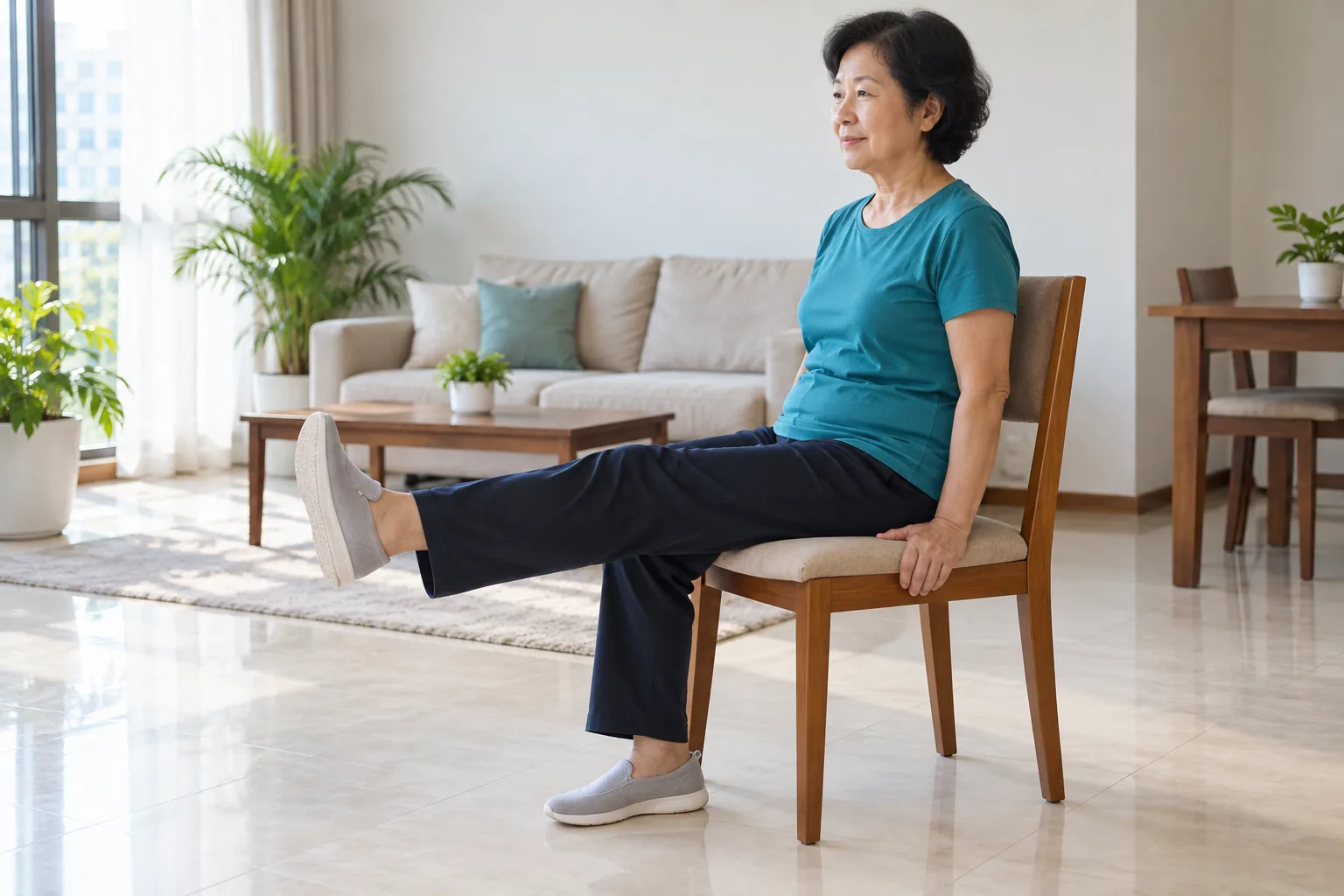
Exercise is one of the most important treatments for people with osteoarthritis, whatever their age or level of fitness [3]. The NHS says physical activity should include a combination of exercises to strengthen your muscles and exercises to improve your general fitness [3]. Discuss any new exercise plan with your doctor or physiotherapist before you start [3].
This page is about exercise for osteoarthritis. Knee pain can be a symptom of many different conditions, so do not self-diagnose: see a doctor if you are worried [1]. Osteoarthritis is a condition that causes joints to become painful and stiff [2]. Exercise is one of the most important treatments for people with osteoarthritis, whatever their age or level of fitness [3]. The guidance from the UK’s National Institute for Health and Care Excellence (NICE) describes therapeutic exercise (exercise used as a treatment) tailored to their needs (for example, local muscle strengthening (exercises that strengthen the muscles around the joint), general aerobic fitness (exercise that improves your general fitness, such as cycling or fast walking [2])) [4]. This page covers what the guidance says and when to check with a doctor or physiotherapist first.
- What does the guidance say about exercise?
- Can exercise cause pain?
- What should I do before I start, and when should I stop?
- Does this cover every knee problem?
- When is urgent help needed?
- What should I do next?
What does the guidance say about exercise?
NICE guidance says all people with osteoarthritis should be offered therapeutic exercise (exercise used as a treatment) tailored to their needs (for example, local muscle strengthening (exercises that strengthen the muscles around the joint), general aerobic fitness (exercise that improves your general fitness, such as cycling or fast walking [2])) [4]. NICE guidance describes health services in the UK; in Singapore, your doctor or physiotherapist can advise on what is available.
See also our full body workout at home guide.
- The NHS says physical activity should include a combination of exercises to strengthen your muscles and exercises to improve your general fitness [3].
- NICE says the core treatments for osteoarthritis are therapeutic exercise and weight management, if appropriate, along with information and support [4].
More on supervised exercise
NICE says supervised exercise sessions should be considered for people with osteoarthritis [4].
Can exercise cause pain?
NICE says people should be advised that joint pain may increase when they start therapeutic exercise [4]. Discuss how your knee responds with your doctor or physiotherapist.
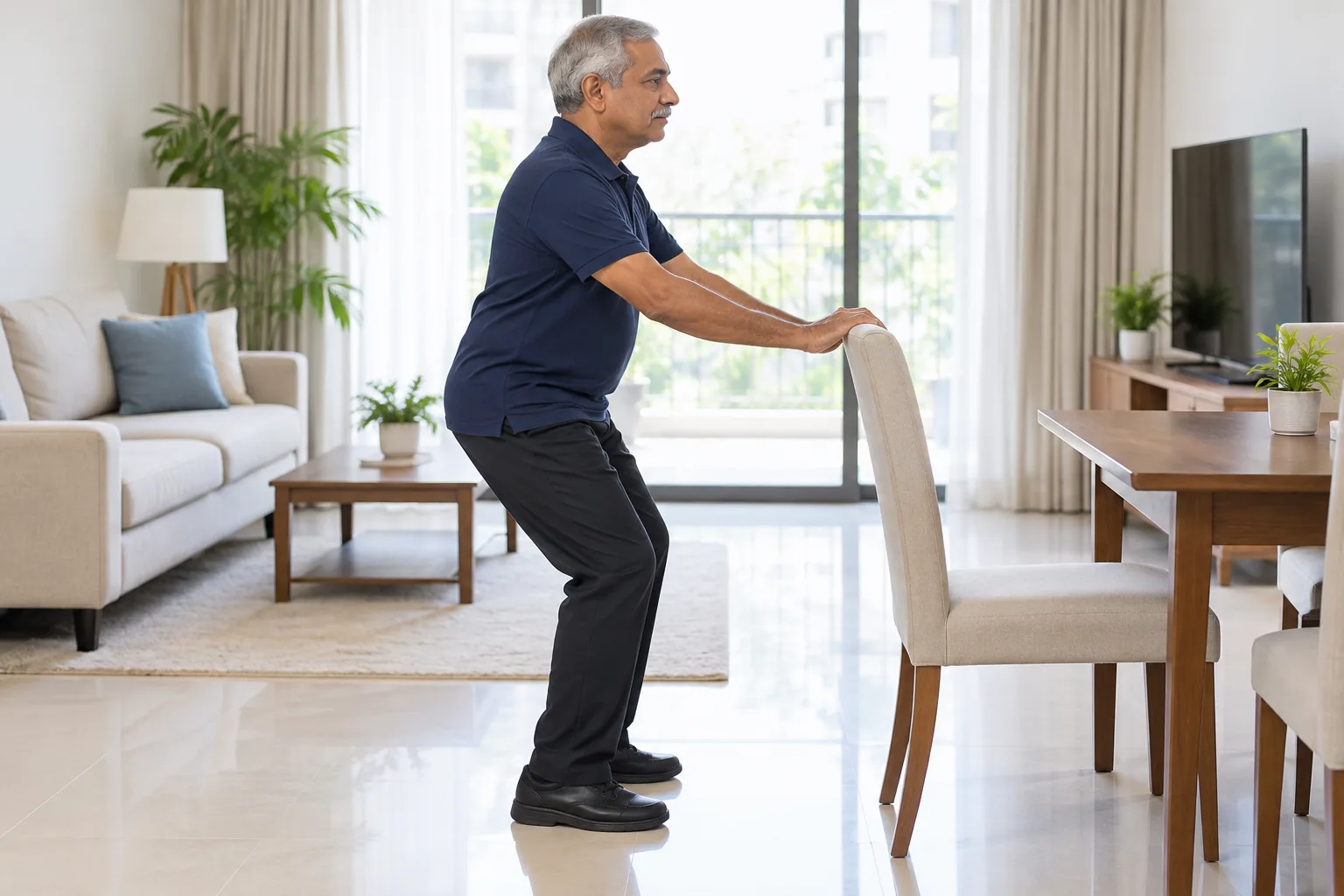 Owner clinical review required · not a release asset
What should I do before I start, and when should I stop?
The NHS says there is a risk that doing too much exercise too quickly, or doing the wrong sort of exercise, may damage your joints [3].
Does this cover every knee problem?
The NICE guideline covers osteoarthritis in people over 16 [4]. This page explains what the guidance says rather than setting out an exercise programme. A doctor or physiotherapist can advise on exercises that suit you and on other knee problems.
When is urgent help needed?
The list below covers the signs that should not wait for a routine appointment, including signs after knee surgery.
What should I do next?
If knee pain is not settling, or you are unsure what is causing it, an assessment is a sensible next step. The assessment brings together the patient’s story, an examination and any tests that help, so that the patient and the surgeon can decide together. It looks at the structure involved, the patient as a whole person and the goal they want to return to. An appointment supports an informed decision. It is not a commitment to surgery.
- Arrange a knee assessment when you are ready.
- Browse the Knee Hub for other knee problems, or more articles.
- Read about strengthening the hips to support the knees.
- Read about when to check with a doctor first.
- Read about managing arthritis pain.
This page provides general information and cannot diagnose an individual condition. OrthoKinetics does not provide emergency or urgent care through this webpage or its WhatsApp contact.
References
- NHS. Knee pain. https://www.nhs.uk/symptoms/knee-pain/
- NHS. Osteoarthritis. https://www.nhs.uk/conditions/osteoarthritis/
- NHS. Osteoarthritis: treatment and support. https://www.nhs.uk/conditions/osteoarthritis/treatment/
- National Institute for Health and Care Excellence. Osteoarthritis in over 16s: diagnosis and management (NG226). Published 19 October 2022. https://www.nice.org.uk/guidance/ng226/chapter/Recommendations
Was this page helpful?