
Injury Prevention
-

Degenerative meniscus tear: what 10-year evidence means for knee arthroscopy
At a glance: what the 10-year evidence means A 10-year sham-controlled trial found no long-term benefit from trimming a degenerative meniscus tear with keyhole…
-

Meniscus injury in athletes: how it happens and how it is treated
Meniscus injuries are estimated to account for 10 to 20 percent of knee injuries in young athletes, as cited in a 2024 review (Marigi…
-
MCL knee tear: symptoms, causes, grades (1–3) and healing
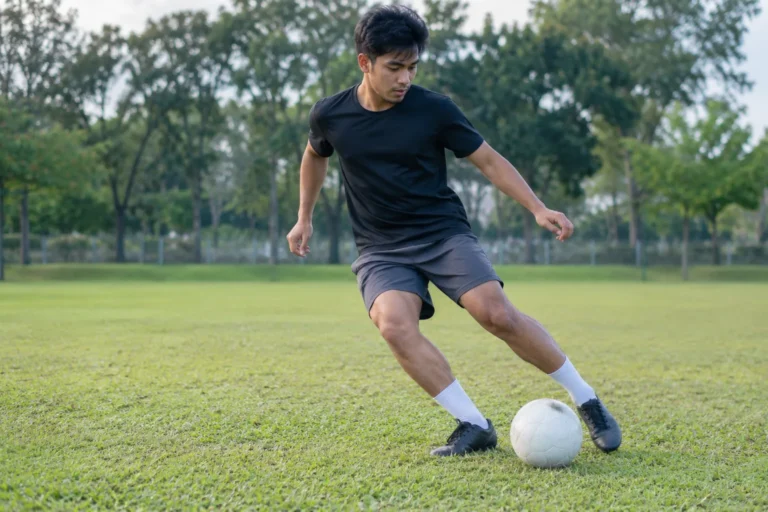
An MCL tear (medial collateral ligament tear) is an injury to the ligament on the inner side of the knee. Most isolated MCL injuries…
-

Partial or total knee replacement: how the two operations compare
A partial knee replacement replaces only the damaged compartment of the knee. In one randomised trial of 528 patients, the two operations showed no…
-

Some injuries runners can get: what AAOS and NHS pages say
Most stress fractures are caused by overuse and repetitive activity; they are common in runners and athletes who participate in running-intensive sports, such as…
-
Full body workout at home: no equipment
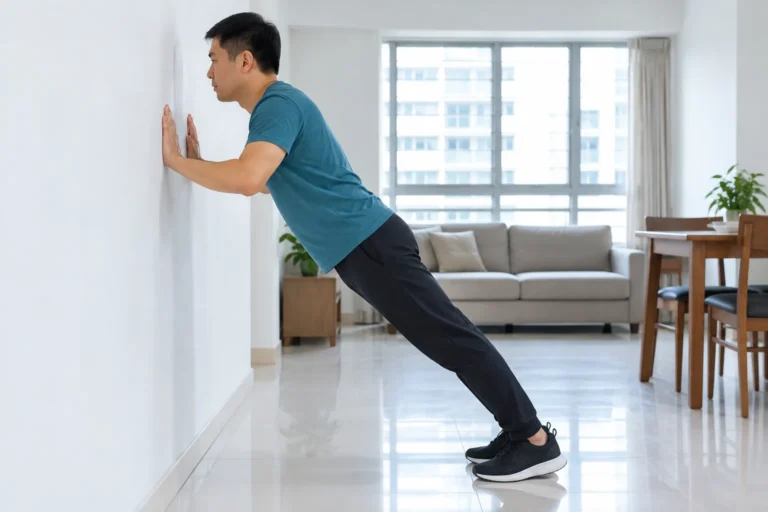
A full body workout at home needs only a wall and a solid chair: a short warm-up, then simple strength moves such as wall…
-

Suitable Cardio Exercises for Knee and Ankle Injuries
AAOS OrthoInfo’s page on cross training says that if you do become injured, you usually will not have to give up your entire fitness…
-

Knee injury dos and don’ts
For the first 2 to 3 days after a sprain or strain, follow the 5 steps known as PRICE therapy to help bring down…
-

Physical Activity Guidelines by Age
The NHS says adults aged 19 to 64 should “do at least 150 minutes of moderate intensity activity a week or 75 minutes of…
-

Preventing common ankle injuries
AAOS OrthoInfo points to maintaining good muscle strength, balance, and flexibility to prevent ankle sprains. AAOS OrthoInfo advises you to warm up thoroughly before…