
-
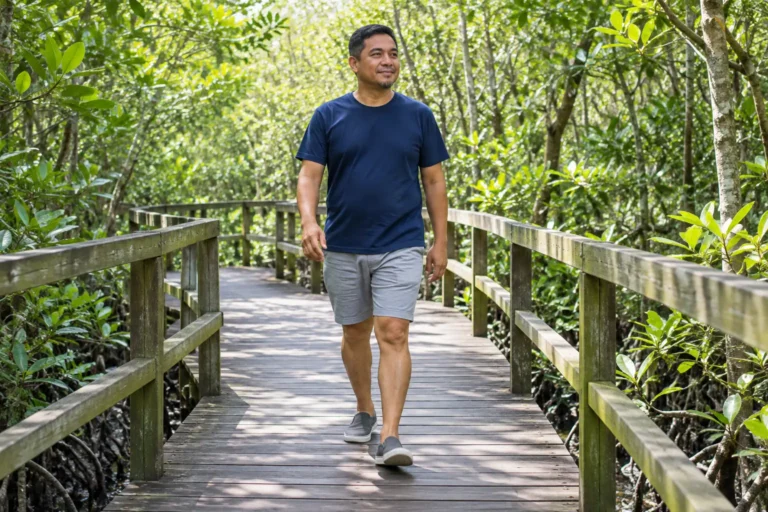
Meniscus tear recovery time
How long does it take to recover from a meniscus tear? There is no single answer, and the figures below are milestones from research,…
-
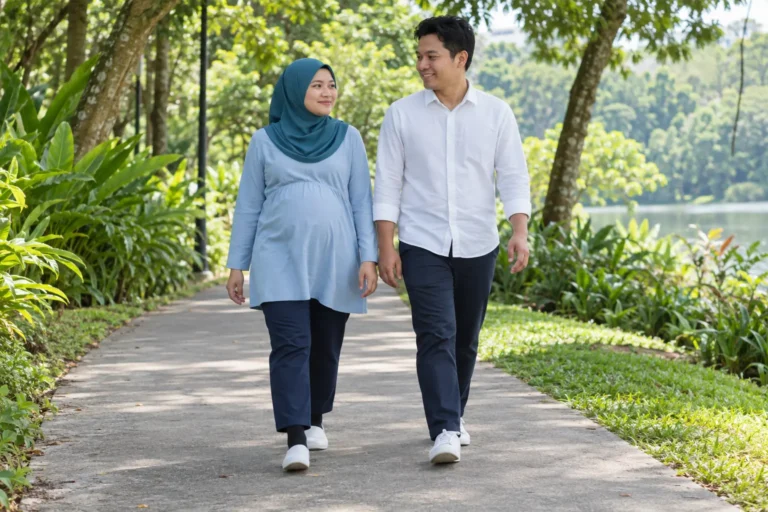
Knee pain during pregnancy: what pelvic girdle pain can involve
Pain in the knees can be part of pregnancy-related pelvic girdle pain, but it can also have other causes, so tell your midwife, obstetrician…
-
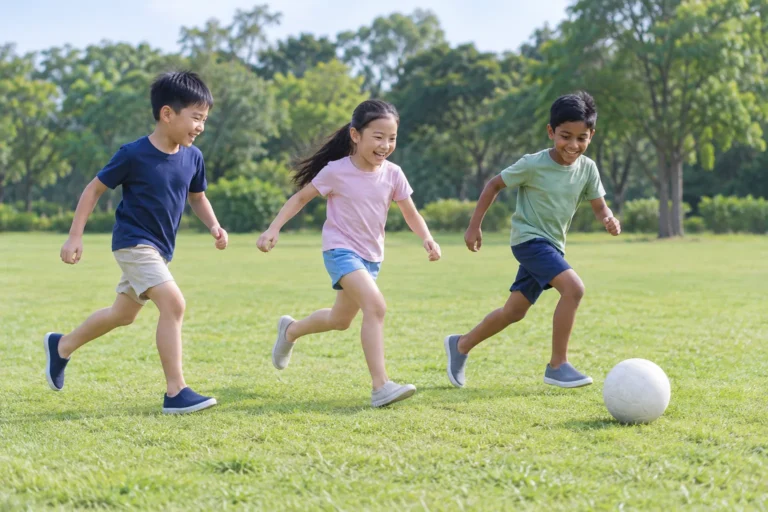
Knee pain in children: growing pains and when to see a doctor
Growing pains are leg pain that is common in children aged 3 to 12. The NHS describes the usual pattern as an aching or…
-
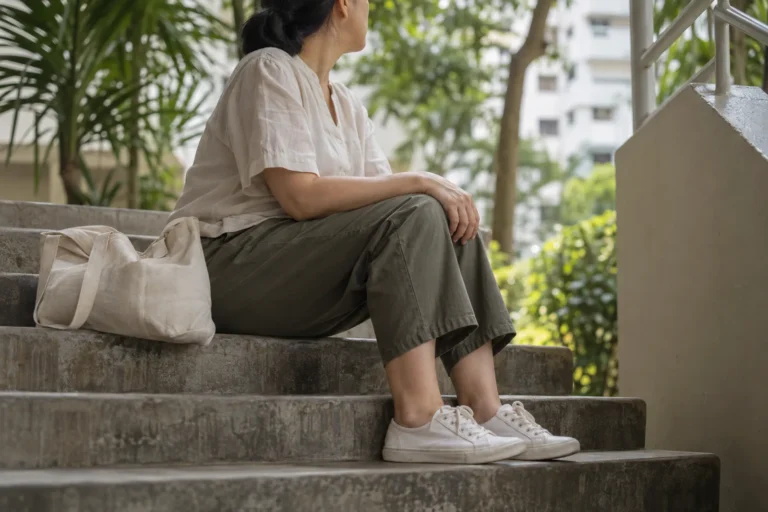
Knee pain: when to see a doctor
See a doctor if knee pain does not improve within a few weeks. See a doctor if you are worried. Do not self-diagnose. Knee…
-
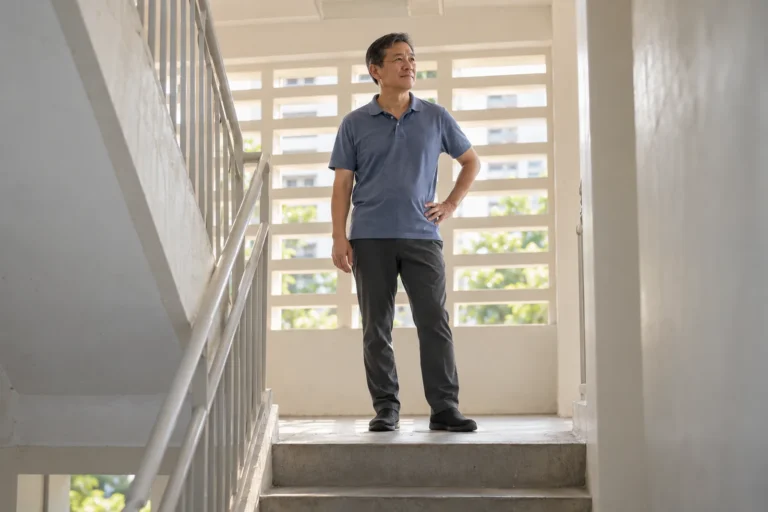
Hip wear and tear (hip osteoarthritis): causes and when to get help
Hip “wear and tear” is a common name for osteoarthritis of the hip, which involves the whole joint. The most common symptom is pain,…
-
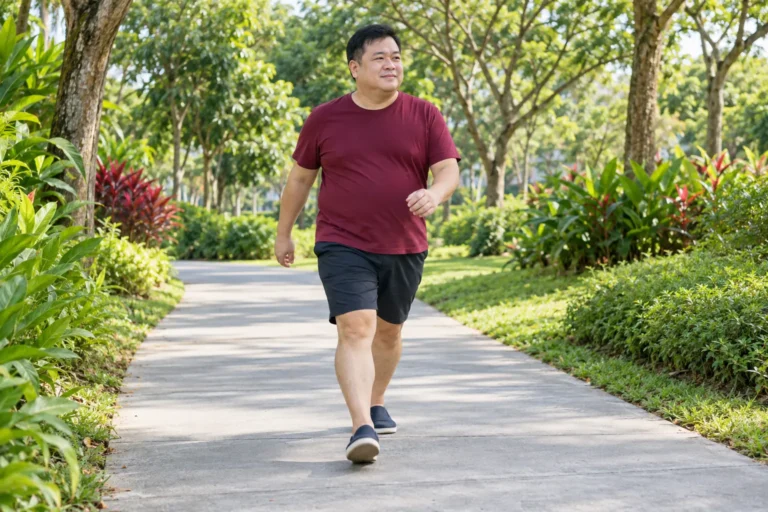
How excess weight affects your knees and joints
Extra body weight puts more load through the knees. When you walk on level ground, the force on your knees is equivalent to 1½…
-
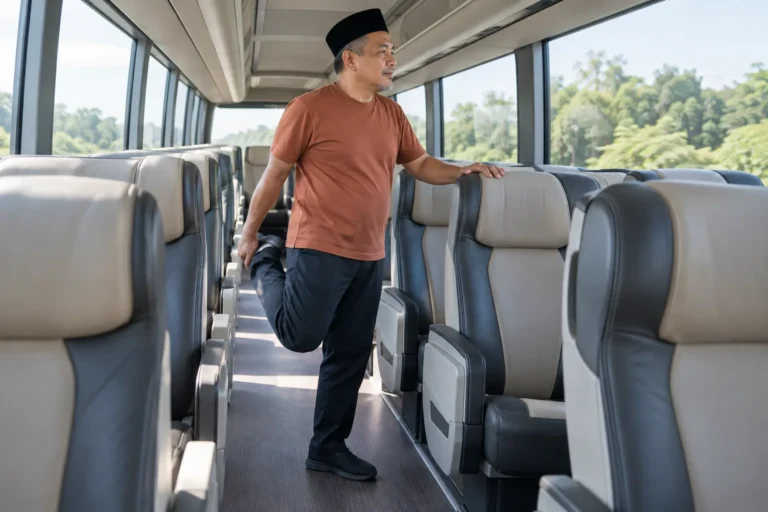
Long journeys and your legs: what the NHS says, including with knee pain
The NHS (the UK’s National Health Service) advises, as general advice to lower the chance of deep vein thrombosis (DVT), that you do not…
-
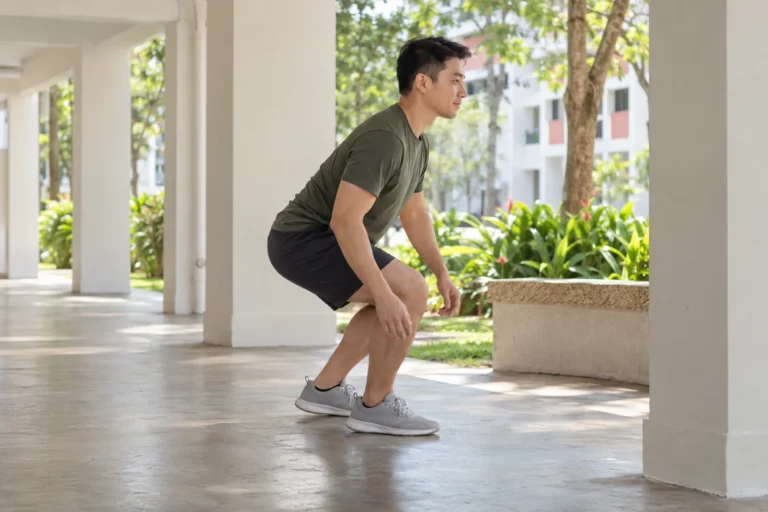
Cracking sound in the knee (popping and crepitus): what it can mean
A systematic review of knee crepitus (a popping, cracking or grinding noise or sensation from the joint) found it in about 4 in 10…
-
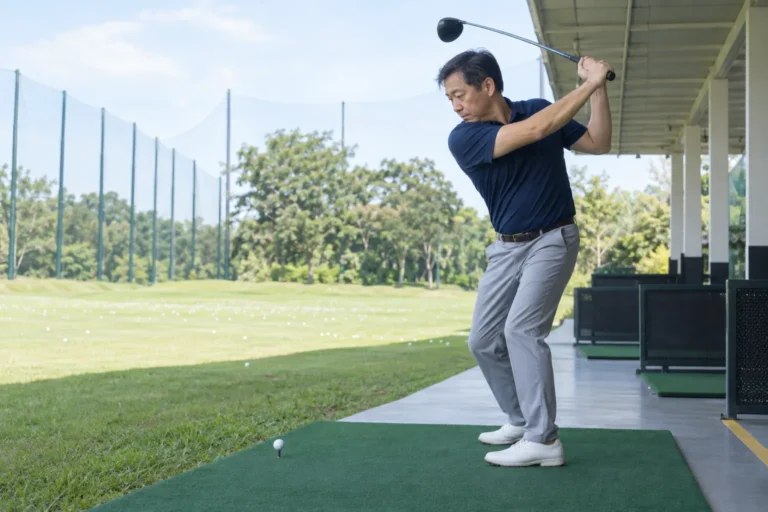
Golf and knee pain
The review says injuries to the knee are thought to account for up to 18% of all injuries in golf. Reports from the literature…
-
Which ACL injuries suit repair rather than replacement?
Only a selected group of ACL tears can be repaired. The best-known approach, proximal repair, is considered for acute tears near the ligament’s upper…
Arrange a consultation
Appointments are arranged through the OrthoSports clinic team. Send your details below, or message or call the clinic.
Leave your details and the clinic team will reply to arrange a time.
Message the clinic on WhatsApp
-
38 Irrawaddy Road, #10-41 Mount Elizabeth Novena Specialist Centre, Singapore 329563 Map for Orthosports@Novena (opens Google Maps)
-
1 Farrer Park Station Road, #15-17 Connexion, Singapore 217562 Map for Orthosports@Connexion (opens Google Maps)
WhatsApp is for clinic enquiries only. It is not an emergency service and is not monitored for urgent care. Website or messaging contact is not an emergency-response service. For a medical emergency, use your local emergency service.