
-
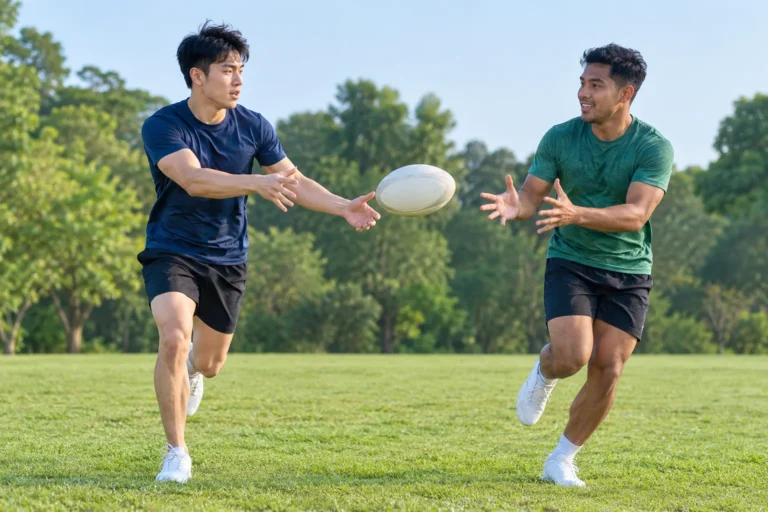
Joint dislocation: the signs and when to get urgent help
MedlinePlus says dislocations are joint injuries that force the ends of your bones out of position. MedlinePlus says the cause is often a fall…
-
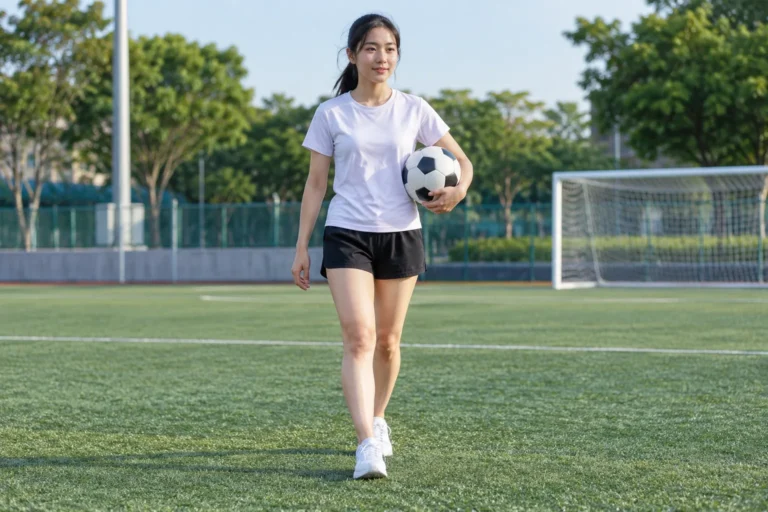
Can a torn ACL truly heal itself?
Emerging evidence suggests that some acute anterior cruciate ligament (ACL) tears may show healing, but the evidence so far is limited and conflicting. A…
-
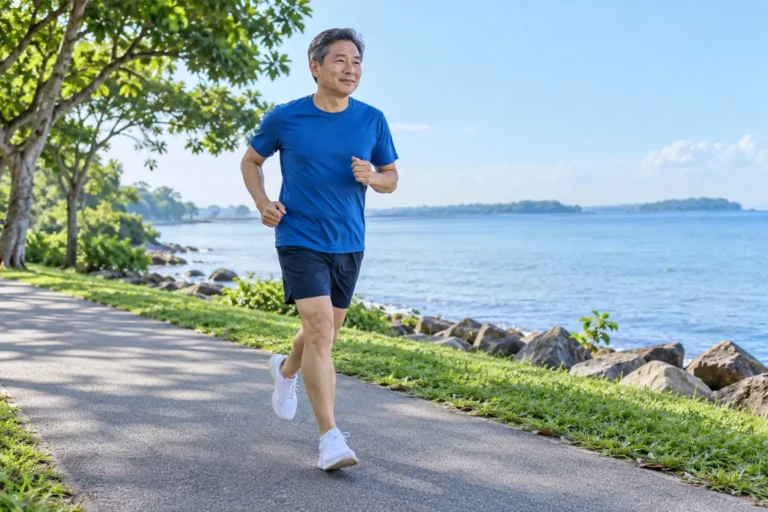
Does running cause knee arthritis?
In a 2017 review that pooled the results of 17 studies, hip and knee osteoarthritis (OA) was found in 3.5% of recreational runners, 10.2%…
-

Is ACL repair a viable alternative to reconstruction?
ACL repair is a selective option, not a like-for-like alternative to reconstruction. Repair works with the torn ligament itself, while reconstruction replaces it with…
-
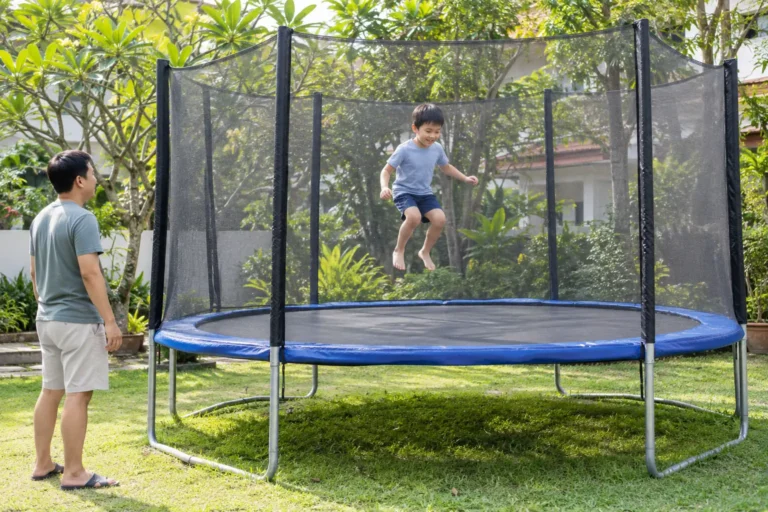
Trampoline injuries and what AAOS advises about safety
AAOS OrthoInfo says most trampoline injuries involve sprains or fractures in the arms and legs. AAOS OrthoInfo says that while most trampoline injuries occur…
-
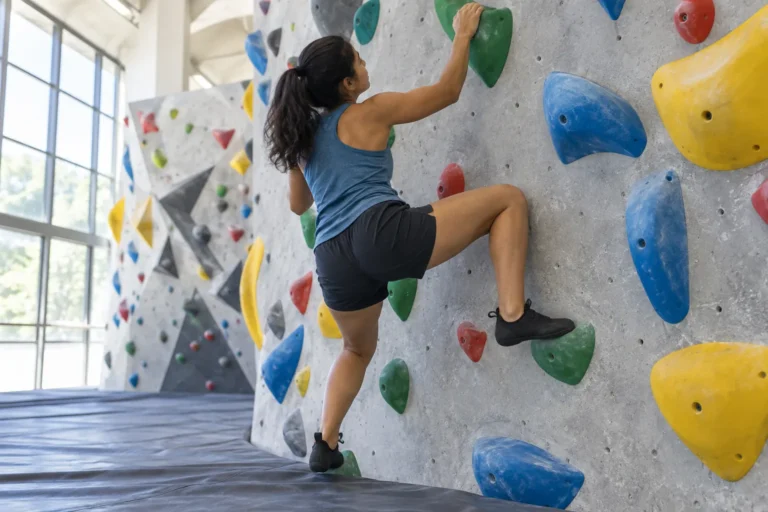
Rock climbing and knee injuries
One case series of acute knee injuries in climbing athletes recorded 71 patients (35% competitive athletes, 65% noncompetitive athletes) with 77 independent acute knee…
-

Tart cherry supplements and muscle recovery after exercise: what the research shows
A 2021 meta-analysis, which pools the results of 14 studies in people doing strenuous exercise, found that tart cherry supplements were associated with a…
-
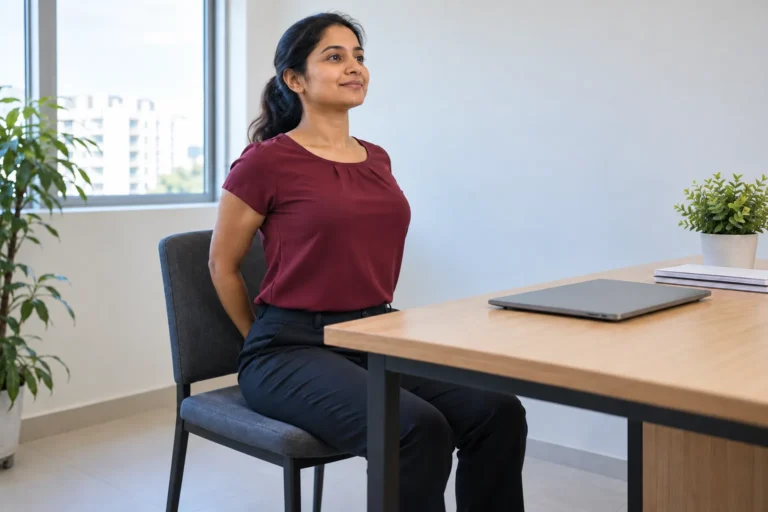
Stretches to do while sitting at your desk
You can stretch at your desk with simple seated movements. Singapore physical activity guidance for adults advises breaking up sitting periods of 90 minutes…
-

Does kinesiology tape help after ACL surgery?
The evidence is mixed. Some studies in people after anterior cruciate ligament (ACL) surgery report less knee pain and swelling, or better hamstring strength,…
-
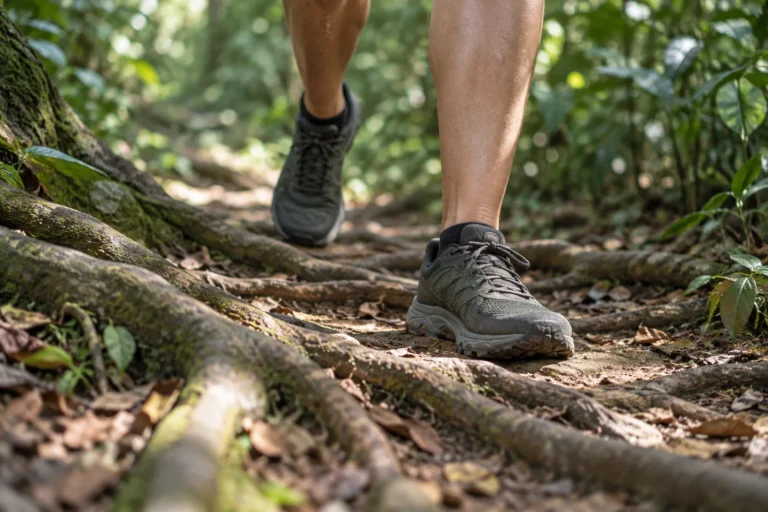
Recurrent ankle sprains and ankle instability
The 2016 consensus statement describes many patients developing physical and subjective functional limitations, with ongoing “giving-way” in the affected ankle, resulting in the defined…
Arrange a consultation
Appointments are arranged through the OrthoSports clinic team. Send your details below, or message or call the clinic.
Leave your details and the clinic team will reply to arrange a time.
Message the clinic on WhatsApp
-
38 Irrawaddy Road, #10-41 Mount Elizabeth Novena Specialist Centre, Singapore 329563 Map for Orthosports@Novena (opens Google Maps)
-
1 Farrer Park Station Road, #15-17 Connexion, Singapore 217562 Map for Orthosports@Connexion (opens Google Maps)
WhatsApp is for clinic enquiries only. It is not an emergency service and is not monitored for urgent care. Website or messaging contact is not an emergency-response service. For a medical emergency, use your local emergency service.