
-

Knee injections for osteoarthritis: corticosteroid and hyaluronic acid
Corticosteroid injections can give short-term relief from knee osteoarthritis pain, typically lasting weeks. Guidelines disagree about hyaluronic acid injections, and the decision is individual.…
-
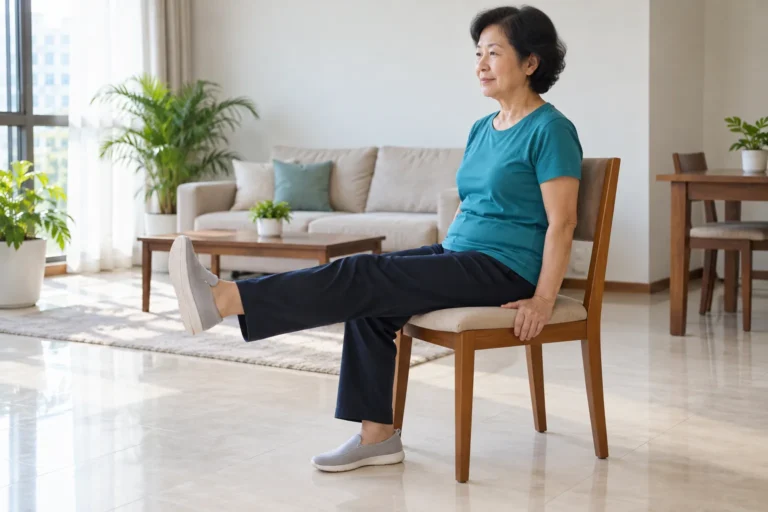
Exercises for knee pain and osteoarthritis: what the guidance says
Exercise is one of the most important treatments for people with osteoarthritis, whatever their age or level of fitness. The NHS says physical activity…
-

Kneecap (patella) dislocation: causes, symptoms and treatment
Patients with a dislocation typically present with an obvious deformity of the knee and an inability to extend, or straighten, the knee. After a…
-

Shoes and foot pain
AAOS OrthoInfo says shoes that are too tight, too loose, or without enough support can lead to unwanted stress on the feet, ankles, lower…
-

Knee braces and supports: what the guidance says
For people with osteoarthritis, NICE (the UK’s National Institute for Health and Care Excellence) says insoles, braces, tape, splints or supports should not routinely…
-
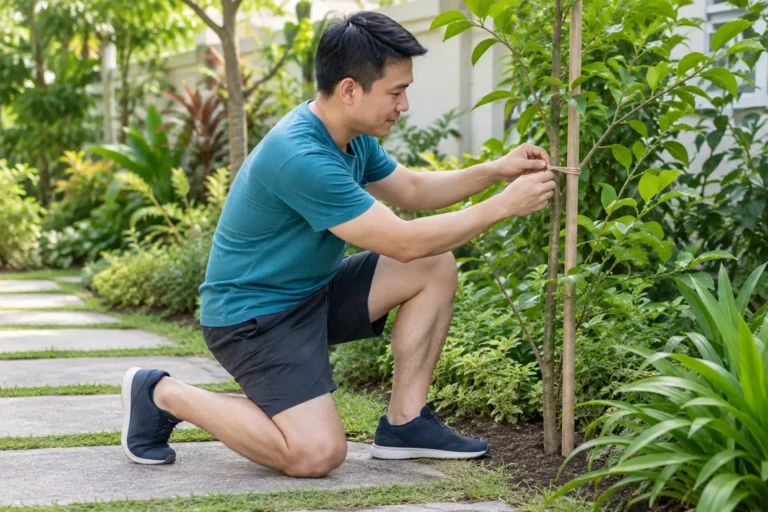
Common causes of knee pain
The NHS lists causes of knee pain under two headings: knee pain after an injury, and knee pain with no obvious injury. The NHS…
-

How to identify an MCL tear
An MCL tear (medial collateral ligament tear) is an injury to the ligament on the inner side of the knee. The usual features of…
-
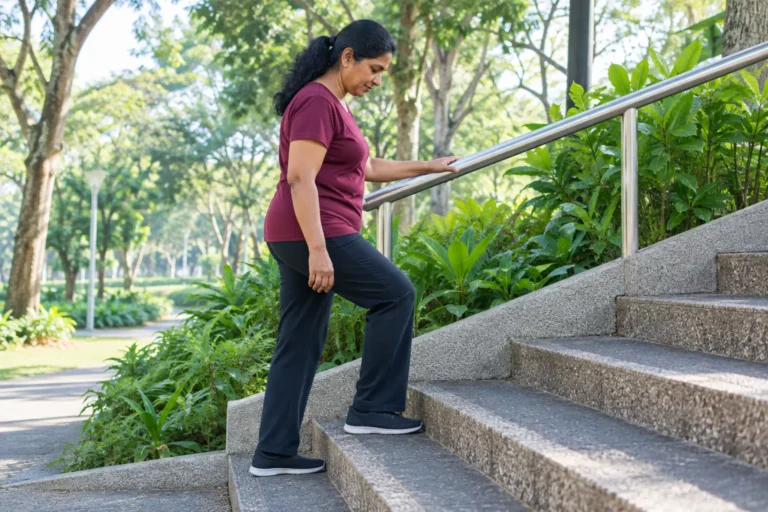
Knee symptoms you should not ignore
Some signs should not wait for a routine appointment. The NHS says knee pain can often be treated at home, and you should start…
-

How to tell if you may have torn your ACL
Some people feel or hear a pop when they tear the anterior cruciate ligament (ACL), followed by swelling and a sense that the knee…
-

Three things to know about a torn ACL
Not every anterior cruciate ligament (ACL) tear needs surgery. Some knees do well with structured rehabilitation, while others need more stability for work or…
Arrange a consultation
Appointments are arranged through the OrthoSports clinic team. Send your details below, or message or call the clinic.
Leave your details and the clinic team will reply to arrange a time.
Message the clinic on WhatsApp
-
38 Irrawaddy Road, #10-41 Mount Elizabeth Novena Specialist Centre, Singapore 329563 Map for Orthosports@Novena (opens Google Maps)
-
1 Farrer Park Station Road, #15-17 Connexion, Singapore 217562 Map for Orthosports@Connexion (opens Google Maps)
WhatsApp is for clinic enquiries only. It is not an emergency service and is not monitored for urgent care. Website or messaging contact is not an emergency-response service. For a medical emergency, use your local emergency service.