
Sports Injuries
-

Hip wear and tear (hip osteoarthritis): causes and when to get help
Hip “wear and tear” is a common name for osteoarthritis of the hip, which involves the whole joint. The most common symptom is pain,…
-

How to strengthen your hip joints
Hip strengthening means working the muscles around the hip joint with simple, repeatable movements. NHS guidance recommends strengthening all the major muscle groups, including…
-

How excess weight affects your knees and joints
Extra body weight puts more load through the knees. When you walk on level ground, the force on your knees is equivalent to 1½…
-

Knee pain: when to see a doctor
See a doctor if knee pain does not improve within a few weeks. See a doctor if you are worried. Do not self-diagnose. Knee…
-

Building up for a marathon: what patient pages say
A cardiology patient page on marathon training says: “To avoid injury, runners need to be fully recovered from any and all injury or illness…
-

Golf and knee pain
The review says injuries to the knee are thought to account for up to 18% of all injuries in golf. Reports from the literature…
-

Which ACL injuries suit repair rather than replacement?
Only a selected group of ACL tears can be repaired. The best-known approach, proximal repair, is considered for acute tears near the ligament’s upper…
-

Knee injections for osteoarthritis: corticosteroid and hyaluronic acid
Corticosteroid injections can give short-term relief from knee osteoarthritis pain, typically lasting weeks. Guidelines disagree about hyaluronic acid injections, and the decision is individual.…
-
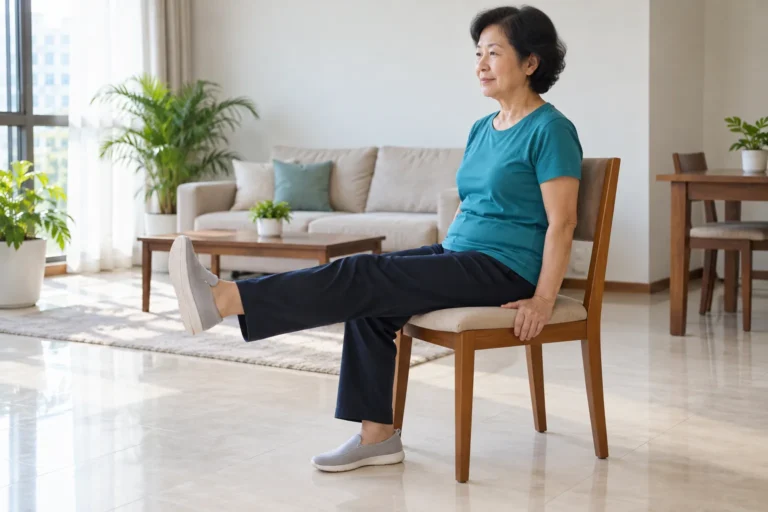
Exercises for knee pain and osteoarthritis: what the guidance says
Exercise is one of the most important treatments for people with osteoarthritis, whatever their age or level of fitness. The NHS says physical activity…
-

Kneecap (patella) dislocation: causes, symptoms and treatment
Patients with a dislocation typically present with an obvious deformity of the knee and an inability to extend, or straighten, the knee. After a…