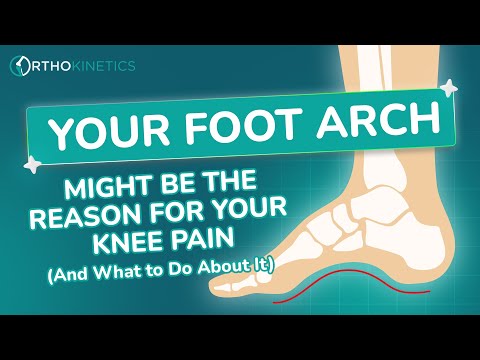

About this video
Last updated: 9 October 2026
The video says orthotics, also known as insoles or arch supports, are designed to give the feet extra support, improve alignment and take pressure off sore spots. It names three types: custom, pre-fabricated and arch supports or inserts. The video says orthotics alone sometimes cannot fully resolve the issue, and that surgery may then be an option.
Key points
- It describes custom orthotics as made from a mould of the feet, for issues such as severe flat feet, high arches or severe plantar fasciitis (heel and arch pain).
- Pre-fabricated orthotics are described as over-the-counter, pre-made in various sizes, offering general arch support and cushioning, and helpful for mild arch pain, fatigue or general foot discomfort.
- It describes arch supports, insoles and inserts as mainly supporting the arch of the foot, which it says can help with arch pain and how the foot lines up.
- It says orthotics can help people with plantar fasciitis, flat feet, high arches, bunions (a bony bump at the base of the big toe) or diabetes.
- Orthotics alone, it says, sometimes cannot fully resolve the issue, so surgery may be an option; the aim is the right solution for the individual, not jumping to surgery.
Questions this video answers
What are orthotics?
The video says orthotics, also known as insoles or arch supports, are designed to give the feet extra support, improve alignment and take pressure off sore spots. It names three types: custom, pre-fabricated and arch supports or inserts.
What if orthotics are not enough?
The video says orthotics alone sometimes cannot fully resolve the issue, and that surgery may then be an option. It says the aim is to find the right solution for the individual rather than to jump to surgery.
Related pages
Signs that need urgent help
Some symptoms should not wait for a routine appointment. Each item below says where to go.
After an injury
- The ankle or foot sits at an odd angle, a bone is showing, there is a deep cut, you are in severe pain, or the toes look blue or white or feel numb. Go to an emergency department or call 995.
- You felt a sudden pop or sharp pain at the back of the heel or calf, and pushing off or rising onto your toes is difficult. Arrange an urgent same-day assessment.
- It is very painful or the pain is getting worse, the swelling or bruising is large or spreading, or it hurts to put weight on the ankle or foot. Arrange an urgent same-day assessment.
At any time
- A joint, such as the ankle, is suddenly very painful, hot, red and swollen, especially with a fever or feeling generally unwell. Go to an emergency department or call 995.
- One calf or thigh is newly painful and swollen. Arrange an urgent same-day assessment. If you also feel short of breath or have chest pain, call 995.
If you have diabetes
- You have a foot sore and a fever or feel very unwell, or the foot is cold, pale or blue. Or skin on the foot or toes has turned black, or a sore looks deep, or there is pus or redness spreading up the foot. Go to an emergency department or call 995.
- You have a new foot sore, or a foot that is hot, swollen, changed in colour or leaking fluid, without the signs above. Arrange an urgent assessment within 24 hours.