
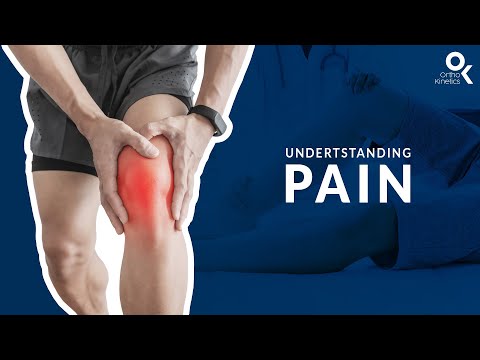
About this video
Last updated: 9 October 2026
The video says pain can be classified in several ways, including by how it started: gradually or suddenly (acute onset). It says gradual onset usually points to a condition that has been present for a while, and that osteoarthritis (wear-related arthritis) falls into that group.
Key points
- It says gradual onset usually points to a condition that has been present for a while and is slowly causing problems in the knee.
- It says osteoarthritis usually falls in the gradual group, where the pain can start as a gentle ache and slowly build over time.
- It says acute onset usually involves some form of trauma to the knee, sometimes after an obvious event such as an injury in a soccer match.
Questions this video answers
How can pain be classified?
The video says pain can be classified in several ways, one of which is its onset: whether it began gradually or suddenly (acute onset).
What does gradual-onset knee pain usually point to?
The video says gradual onset usually points to a condition that has been there for a while, slowly causing problems in the knee. It names osteoarthritis (wear-related arthritis) as falling into that group, where pain can start as a gentle ache and slowly build.
Related pages
Signs that need urgent help
Some symptoms should not wait for a routine appointment. Each item below says where to go.
After an injury
- The kneecap has slipped out of place and is still out, or the knee looks deformed. Go to an emergency department. If the kneecap went back into place by itself, arrange an early assessment.
- The leg looks twisted or bent, a bone is showing, there is a deep cut, or the foot or leg turns cold, pale, numb, blue or white. Go to an emergency department or call 995.
- You cannot lift your leg up with the knee kept straight, and you may feel a gap just above or just below the kneecap. Arrange an urgent same-day assessment.
At any time
- The knee is stuck and will not straighten, or it is very painful and you cannot move it or put weight on it. Arrange an urgent same-day assessment.
- The knee is suddenly very painful, hot, red and swollen, especially with a fever or feeling generally unwell. Go to an emergency department or call 995.
- One calf or thigh is newly painful and swollen. Arrange an urgent same-day assessment. If you also feel short of breath or have chest pain, call 995.
After knee surgery
- The operated knee becomes more painful, swollen or red, a wound is leaking, or you develop a fever. Contact your surgical team straight away. If you cannot reach them the same day, go to an emergency department. If you feel very unwell, go to an emergency department. If you are short of breath or have chest pain, call 995.


