

MCL Tear Symptoms and Causes: When to Seek Medical Treatment
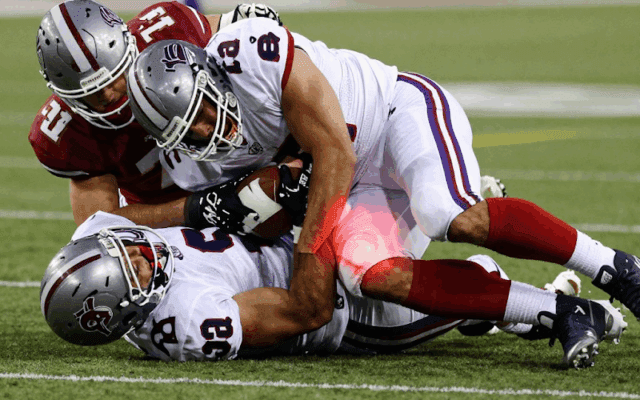
Picture this📌: You’re mid-game, when your opponent collides into you and you feel a sharp pain on the inner side of your knee. A sharp, sickening twist in your knee that stops you cold. That pop you heard, the way your knee buckled beneath you, the immediate pain radiating down your inner knee, these aren’t signs to ignore.
An mcl tear occurs when the medial collateral ligament, the strong band of tissue stabilising your inner knee, stretches or ruptures from force. This knee ligament injury affects thousands of active individuals annually, causing pain, instability, and uncertainty about returning to sport. The good news? Most mcl injury cases heal with proper treatment, and understanding mcl tear symptoms early helps you recover faster.
Book Consultation with Dr. Sean Leo →
Direct Answer📌: An mcl tear is an injury to the medial collateral ligament on the inner side of your knee, typically caused by a direct blow to the outer knee or twisting motion. Symptoms include inner knee pain, swelling, instability, and difficulty bearing weight. Treatment ranges from rest and bracing for mild tears to mcl surgery for severe ruptures, with most patients recovering within 4-8 weeks.
🎯KEY TAKEAWAYS
✅ MCL tears cause sharp inner knee pain, swelling, and a feeling of instability
✅ Most medial collateral ligament tear injuries heal without surgery using conservative treatment
✅ Grade 3 mcl tear cases may require mcl surgery for complete ligament reconstruction
✅ Early diagnosis and proper mcl treatment accelerate recovery
✅ Athletes can return to sport with proper rehabilitation within 6-8 weeks
What Is an MCL Tear? Understanding Your Knee Ligament Injury
Feel the inner side of your knee. That firm band of tissue you can press against is your medial collateral ligament (MCL). This crucial ligament acts like a strong rope, holding your knee stable against forces pushing inward. When that rope frays or snaps, you experience an mcl tear.
MCL Tear Definition📌: An mcl injury occurs when the medial collateral ligament stretches beyond its capacity or ruptures completely, compromising knee stability and causing pain on the inner knee.
According to research from Mass General Brigham, mcl injury accounts for approximately 40% of all knee ligament injuries in contact sports.
The severity of your mcl tear determines your recovery:
- Grade 1: Ligament stretched with microscopic tears, mild tenderness
- Grade 2: Partial ligament rupture, moderate pain and swelling
- Grade 3: Complete ligament rupture, severe instability
Understanding which grade describes your knee ligament injury helps you and your orthopaedic surgeon plan the right mcl treatment approach.
How Does an MCL Injury Happen? Common Causes
1. Direct Impact to the Outer Knee
You’re playing football when an opponent slides into the outside of your planted knee. That sideways force bends your knee inward violently, stretching or tearing the MCL on the inner side. This valgus stress mechanism causes most contact-sport mcl injury cases.
2. Sudden Twisting or Change of Direction
Your foot plants firmly on the court as you pivot to change direction. Your body rotates one way whilst your knee twists the other. The medial collateral ligament can’t withstand the rotational force and tears. Netball players and tennis players frequently experience this mcl tear mechanism.
Cleveland Clinic reports that 60% of mcl injury cases occur during athletic activities, with the remainder from falls or accidents.
Recognising MCL Tear Symptoms: What Your Body Tells You
1. Immediate Pain and Sensation
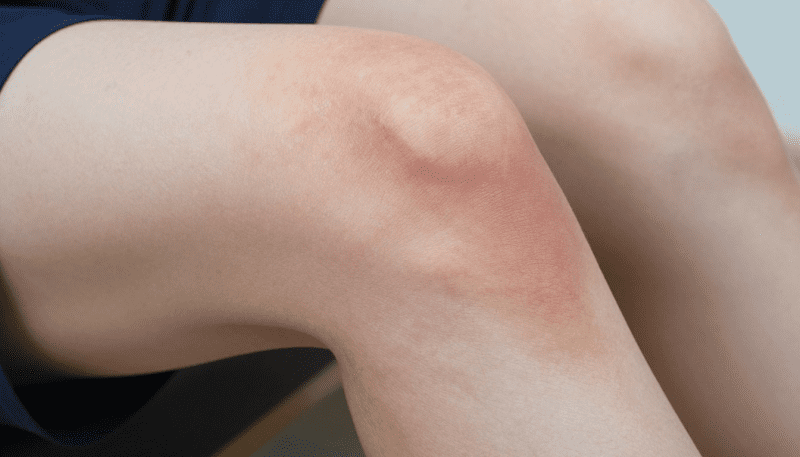
The moment of injury brings sharp, localised pain along your inner knee. Many patients describe hearing or feeling a pop, that sickening sound of tissue giving way. You might feel your knee shift or buckle.
2. Physical Signs of MCL Injury
Within hours, these mcl tear symptoms typically develop:
✅ Visible Swelling
Your inner knee swells noticeably. Touch it gently and you’ll feel warmth and tension from inflammation.
✅ Tenderness to Touch
Press along your inner knee. The tender spot pinpoints your medial collateral ligament tear location precisely.
✅ Bruising
Purple or yellow discolouration may appear 24-48 hours post-injury.
3. Functional Limitations
These daily activities suddenly become challenging:
✅ Walking: You limp instinctively, avoiding weight on the injured leg
✅ Stairs: Descending stairs stresses the MCL, causing sharp pain
✅ Pivoting: Turning on the planted foot feels unstable
✅ Squatting: Bending your knee beyond 90 degrees stretches the damaged ligament
Studies show that 85% of mcl injury patients report immediate functional limitations.
MCL Tear Diagnosis: How Doctors Identify Your Injury
Walk into Orthokinetics with knee pain, and Dr. Sean Leo’s systematic examination reveals exactly what’s happening inside your joint.
Physical Examination Tests
✅ Valgus Stress Test
Your surgeon gently pushes your lower leg outward whilst stabilising your thigh. Excessive movement or pain indicates mcl tear severity.
✅ Range of Motion Assessment
How far can you bend and straighten your knee comfortably? Limited range suggests significant medial collateral ligament tear.
Imaging Studies for MCL Injury
✅MRI Scan
This imaging study shows your MCL in detail. The gold standard for diagnosing mcl tear grade. The MRI reveals fluid around the ligament and partial versus complete tears.
✅X-rays
X-rays don’t show ligaments but rule out fractures.
Baptist Health research shows MRI demonstrates 95% accuracy in grading mcl tear severity.
Schedule Your Diagnostic Assessment →
MCL Treatment Options: Your Path to Recovery
Most mcl injury cases heal with conservative treatment as your body possesses remarkable healing capacity when supported properly.
1. Conservative MCL Treatment (Grades 1-2)
Immediate Care (First 72 Hours):
- Rest: Stop activities immediately
- Ice: Apply ice packs 20 minutes every 2 hours
- Compression: Elastic bandages control swelling
- Elevation: Prop your leg above heart level
Bracing and Protection
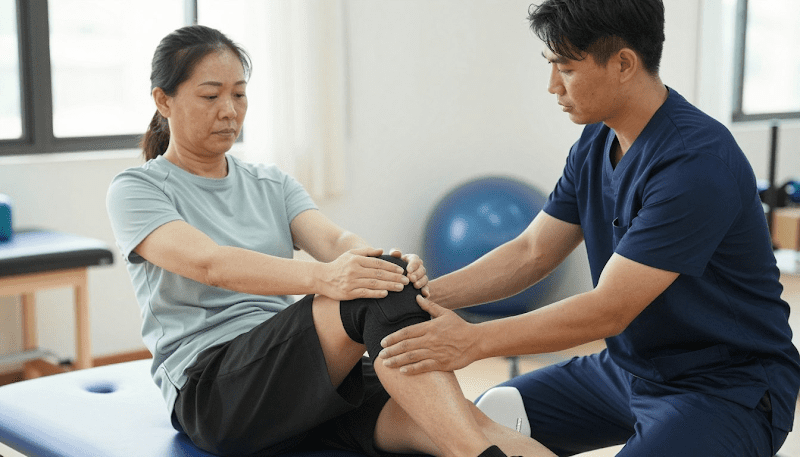
A hinged knee brace becomes your temporary ligament, preventing valgus stress whilst your medial collateral ligament tear heals. You’ll wear it for 2-6 weeks.
Physical Therapy
Your physiotherapy journey progresses through phases:
Weeks 1-2: Gentle range of motion exercises
Weeks 3-4: Strengthening exercises rebuild support
Weeks 5-6: Balance and proprioception training
Weeks 7-8: Sport-specific drills prepare return to activity
WebMD reports that 90% of Grade 1-2 mcl injury patients achieve full recovery through conservative mcl treatment alone.
Explore Your Treatment Options →
2. When Does MCL Surgery Become Necessary?
Certain mcl tear scenarios require surgical intervention:
Complete MCL Rupture (Grade 3)
When your ligament tears completely away from bone, MCL reconstruction surgery reattaches or reconstructs the ligament.
Combined Ligament Injuries
MCL tears often accompany ACL or meniscus damage. Addressing multiple knee ligament injury structures requires surgical precision.
Chronic Instability
If conservative mcl treatment fails after 3 months, surgical reconstruction may be recommended.
Dr. Sean Leo at Orthokinetics uses minimally invasive arthroscopic techniques for mcl surgery, resulting in smaller incisions and faster recovery.
MCL Surgery Recovery Timeline
Post-surgical healing follows structured progression:
Weeks 1-2: Crutches and brace protection
Weeks 3-6: Progressive strengthening
Weeks 7-12: Advanced strengthening
Months 4-6: Sport-specific training
Research shows 80-90% of patients undergoing mcl surgery return to pre-injury activity levels within 6 months with proper rehabilitation.
When Should You See an Orthopaedic Specialist?
Seek urgent assessment if you experience:
- Inability to bear weight immediately after injury
- Visible knee deformity or severe swelling
- Knee buckling or giving way repeatedly
Schedule consultation within days if you notice:
- Persistent pain limiting daily activities
- Swelling that doesn’t decrease
- Clicking or locking sensations
- Uncertainty about injury severity
Dr. Sean Leo’s over 25 years of clinical experience and subspecialisation in knee surgery ensures accurate mcl tear diagnosis. Early specialist evaluation prevents minor mcl injury from becoming chronic instability.
Book Specialist Consultation →
Frequently Asked Questions About MCL Tears
How do I know if my MCL tear needs surgery?
MCL surgery becomes necessary when you have a complete Grade 3 tear with persistent instability after 6-8 weeks of conservative treatment, or when your medial collateral ligament tear occurs alongside other ligament injuries requiring surgical repair.
Can I walk with an MCL tear?
You can walk with a Grade 1 mcl tear, though you’ll likely limp. Grade 2 mcl injury often requires crutches initially. Grade 3 typically prevents comfortable walking without support.
How long before I can return to sport after MCL injury?
Return to sport timing depends on mcl tear grade: Grade 1 allows return in 2-4 weeks, Grade 2 requires 4-8 weeks, and Grade 3 demands 8-12 weeks minimum. Athletes undergoing mcl surgery typically need 4-6 months.
Will my knee feel the same after MCL treatment?
Most patients recover full knee function after proper mcl treatment and rehabilitation. Grade 1-2 mcl injury patients typically report no residual symptoms.
Can MCL tears heal on their own?
Grade 1 and most Grade 2 mcl tear injuries heal naturally with conservative treatment because the MCL has excellent blood supply. Grade 3 complete ruptures sometimes require mcl surgery for better outcomes.
Is physiotherapy really necessary for MCL tears?
Research shows that patients completing structured rehabilitation return to sport 30-40% faster and have 70% fewer recurrent mcl injury episodes compared to those relying on rest alone.
Get Your Questions Answered by Dr. Sean Leo →
Comprehensive Treatment at Orthokinetics
Orthokinetics offers complete approaches for knee ligament injury cases:
Minimally Invasive Arthroscopy
Small incisions reduce tissue trauma and accelerate healing. Scar length varies depending on individual anatomy and surgical technique.
Customised Rehabilitation
Dr. Sean Leo develops individualised recovery programmes matching your specific mcl tear pattern and athletic demands.
Integrated Care
From initial diagnosis through return-to-sport clearance, you receive coordinated care. This includes cartilage repair when needed for comprehensive joint restoration.
For comprehensive sports injury treatment, Orthokinetics provides integrated care from diagnosis through recovery.
Treatment outcomes based on peer-reviewed medical literature. Individual results may vary.
Take the Next Step Toward Recovery
That twisting sensation, the sharp pain, the uncertainty about your knee’s stability, these feelings don’t have to define your future. Every day you wait with an undiagnosed mcl tear is a day your recovery timeline extends.
Orthokinetics specialises exclusively in knee and lower limb surgery. Dr. Sean Leo’s evidence-based approach prioritises your long-term function.
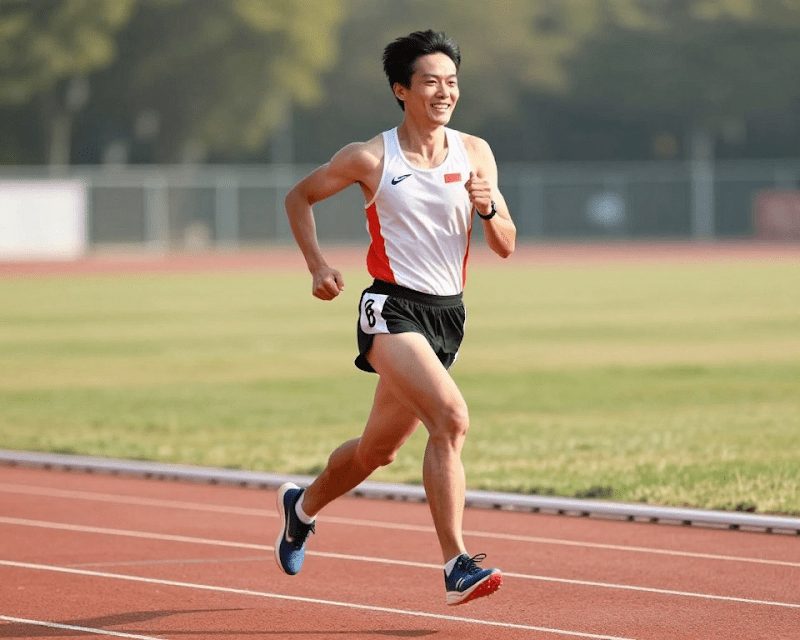
Imagine yourself six months from now. You’re playing your sport confidently, pivoting without hesitation, trusting your knee completely. That future starts with accurate diagnosis and appropriate mcl treatment today.
📅 Book Your Consultation with Dr. Sean Leo →
💬 WhatsApp Us for Faster Replies →
Related Knee Specialist Services:
- ACL Reconstruction Surgery – Addressing anterior cruciate ligament tears
- Meniscus Repair – Preserving your knee’s natural cushioning
- Cartilage Repair – Restoring smooth joint surfaces
- Kneecap Realignment – Correcting patellar instability
- PCL Reconstruction – Posterior cruciate ligament treatment
- MPFL Reconstruction – Medial patellofemoral ligament repair
Educational Resources:
- Understanding Knee Ligament Injuries
- Knee Surgery Recovery Guide
- Preventing Knee Arthritis Through Early Intervention
- Sports Injury Prevention Tips
- Meniscus Tears in Athletes
- Post-Surgery Recovery
- Sports Injury Prevention
📞 Contact Orthokinetics
Orthosports@Novena
📍 38 Irrawaddy Road, #10-41
Mount Elizabeth Novena Specialist Centre
Singapore 329563
📞 Call: +65 6734 8168
💬 WhatsApp: +65 8439 2120
📧 Email: appointment@orthokinetics.sg
Orthosports@Connexion
📍 1 Farrer Park Station Road, #15-17
Connexion, Singapore 217562
📞 Call: +65 6435 0015
💬 WhatsApp: +65 8439 2120