appointment@orthokinetics.sg
Emergency Call +65 8439 2120

Can this be fixed? How long will recovery take? Will I play again? These are the questions that keep athletes awake at night. If you are searching for a sports injury specialist in Singapore, you are already taking the most important step — seeking answers from someone who understands both the injury and the athlete behind it.
At Orthokinetics, Dr Sean Leo’s 25+ years of clinical experience, combined with his subspecialty focus in knee and lower limb surgery, he provides the full spectrum of care from conservative management and injection therapy through to minimally invasive arthroscopic surgery. Every treatment plan is individualised, evidence-based and designed to return you to the activities you value.
Sports Injury Definition: A sports injury is damage to muscles, ligaments, tendons, bones, or joints occurring during athletic activity, caused by acute trauma, overuse, or improper technique.
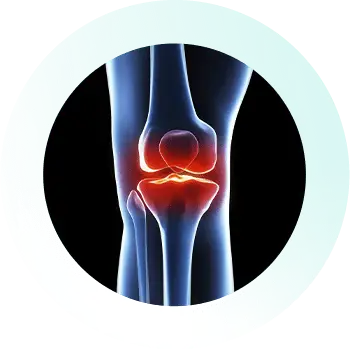
Feel that twinge in your knee when you land from a jump? That’s your body signaling something’s wrong. Sports injuries fall into two categories—acute (sudden trauma like ligament tears) and chronic (gradual damage from repetitive stress like tendonitis).
Impact Trauma: Direct blows during contact sports (rugby, football)
Twisting Forces: Pivoting movements tearing ligaments (basketball, netball)
Overuse: Repetitive motions causing tendon inflammation (running, tennis)
Landing Injuries: Poor mechanics stressing joints (badminton, volleyball)
To confirm the diagnosis and evaluate the extent of the injury, the following imaging tests may be recommended:
Identifies the location and extent of bone and cartilage damage.
Provides detailed cross-sectional images, especially useful for evaluating bony injuries.
Uses magnets and radio waves to create 3D images, assessing damage to ligaments, tendons, and muscles without ionizing radiation.
A minimally invasive procedure where a thin scope with a camera is inserted into the joint for inspection and potential treatment, typically done as an inpatient.
For mild to moderate injuries, the RICE method—Rest, Ice, Compression, and Elevation—is a common first-line treatment. This approach helps reduce swelling, alleviate pain, and support the healing process for strains, sprains, and minor ligament injuries.
Nonsteroidal anti-inflammatory drugs (NSAIDs) such as ibuprofen and naproxen are often prescribed to manage pain and inflammation. These medications are particularly useful for conditions like tendonitis, bursitis, or soft tissue injuries.
Braces, athletic taping, or orthotics provide joint stability and reduce strain — ideal for ligament injuries, joint instability, or repetitive use conditions.
A vital part of recovery, physiotherapy involves personalized exercise programs to strengthen muscles around the injured area, improve flexibility, and enhance joint stability. It’s beneficial for recovering from tendon injuries, sprains, and post-surgical rehabilitation.
Corticosteroid and hyaluronic acid (lubricant) injections may be used for pain relief and to reduce inflammation, especially in chronic sports injuries like tendinitis or early-stage osteoarthritis.
This minimally invasive procedure is used to treat sports injuries with quicker recovery times. Surgeons use an arthroscope— a small camera—along with specialized instruments to access and treat joint issues such as torn meniscus or cartilage damage.
Robotic-assisted surgical techniques offer enhanced precision during knee surgeries. This advanced technology ensures more accurate procedures, leading to faster recovery and better outcomes.
Torn ACLs, rotator cuffs, Achilles tendons, and other injuries often require reconstruction using grafts. These procedures restore joint stability and support a safe return to sport.
For patients with cartilage damage from sports injuries, procedures like microfracture, osteochondral grafting, or autologous chondrocyte implantation (ACI) help regenerate cartilage, reduce pain, and delay the need for joint replacement.
For advanced sports injuries, particularly in cases of severe joint damage or degenerative conditions, total or partial knee replacement may be necessary. A total replacement involves replacing the entire joint with artificial components, while partial replacement addresses only the damaged part of the knee.
If you experience ongoing pain that doesn’t improve with rest or at-home treatments, it may be time to consult a specialist.
Significant swelling, bruising, or stiffness around the injured area, particularly after physical activity, can indicate a serious sports injury.
Struggling to bend, straighten, or bear weight on the injured joint may suggest a more severe injury that requires professional evaluation.
If you sustain a sports-related injury, particularly one involving a sudden twist, impact, or fall, and experience swelling or instability, seeking specialized care is important for proper recovery.
Signs like joint stiffness, swelling, and a reduced range of motion can be symptoms of sports injuries such as tendinitis or early arthritis, requiring expert treatment to prevent further damage.
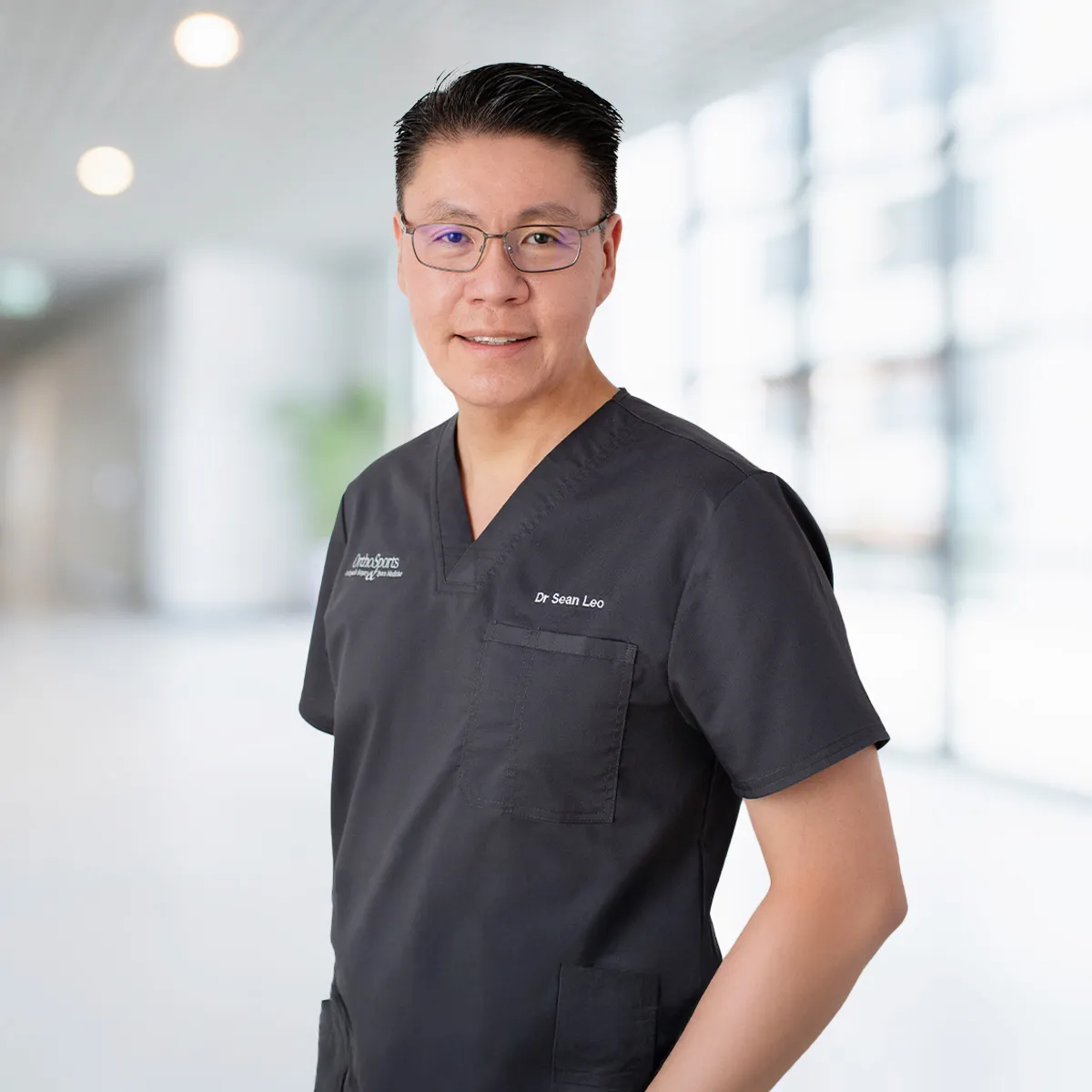
Your care is led by Dr. Sean Leo, a board-certified orthopaedic surgeon with over 25 years of clinical experience managing sports-related knee and lower limb injuries. His practice draws from his time with the Singapore Armed Forces and as a team physician in the New South Wales Rugby League, where he treated individuals involved in high-level physical activity.
Joint Preservation & Minimally Invasive Repair
Where suitable, Dr. Leo offers arthroscopic techniques that prioritise joint preservation and help support a return to movement.
Evidence-Based Care with a Sports Medicine Perspective
Treatment plans are structured around clinical best practices, incorporating surgical care, rehabilitation, and injury prevention strategies.
Rehabilitation Tailored to Activity Level
Dr. Leo collaborates with physiotherapists and rehab providers to develop personalised recovery plans for recreational and competitive athletes alike.
Focused Recovery Goals
The aim is to restore function, support long-term joint health, and help patients return to the activities they value most.
Expertise in
Knee & Sports Care
Evidence-Based
Practice
Care for Patient
Well-Being
Start RICE protocol immediately—Rest the injured area, apply Ice for 20 minutes every 2 hours, use Compression bandaging, and Elevate above heart level. Avoid putting weight on the injury if you experience significant pain or instability. Take over-the-counter anti-inflammatory medication if not contraindicated for pain management. If symptoms don’t improve within 48-72 hours or you cannot bear weight, consult a sports injury specialist singapore for proper diagnosis. Early intervention by a sports doctor prevents minor injuries from becoming chronic problems requiring extensive treatment.
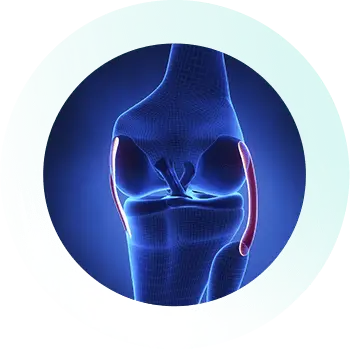
No, most sports injuries can be effectively managed with conservative treatment, including physiotherapy, bracing, activity modification, and guided rehabilitation. Surgery is typically considered for complete ligament tears (such as ACL, PCL, or MCL injuries), persistent joint instability that does not improve with rehabilitation, displaced fractures, or significant meniscus tears in young and highly active individuals.
An experienced sports injury specialist will assess the severity of the injury through a detailed physical examination and appropriate imaging before recommending either surgical or non-surgical treatment. The decision is based on multiple factors, including the extent of the injury, the patient’s activity level, age, functional goals, and overall healing potential to ensure the best possible outcome.
Recovery timelines vary significantly by injury type and treatment approach chosen for your specific condition. Minor ankle sprains heal in 4-8 weeks with conservative treatment, whilst ACL reconstruction requires 9-12 months before returning to pivoting sports. Meniscus repairs need 4-6 months, patellar tendonitis takes 8-16 weeks, and Achilles ruptures require 6-9 months post-surgery for full recovery. Factors influencing healing include injury severity, age, overall health, rehabilitation adherence, and activity demands you’re returning to. Your sports doctor at a sports injury clinic singapore provides personalised timelines based on injury severity, treatment choice, and athletic demands specific to your situation.
Many athletes are able to return to their pre-injury level of performance with appropriate treatment and a structured rehabilitation programme. Successful return to sport depends on completing a comprehensive physiotherapy plan, restoring strength comparable to the uninjured side, passing functional performance tests, and developing the confidence to trust the recovered tissue.
Sports such as football, basketball, and netball often require more extensive reconditioning due to the demands of cutting, pivoting, and rapid directional changes, compared to straight-line activities like running or cycling.
Working with an experienced sports injury clinic ensures a safe and progressive return-to-sport plan tailored to your specific athletic goals and performance demands. Athletes who complete their full rehabilitation programme are significantly less likely to experience re-injury than those who discontinue therapy once pain subsides.
Acute sports injuries occur suddenly from traumatic events. ACL tears from landing wrong, ankle sprains from rolling, meniscus tears from twisting motions during play. Chronic sports injuries develop gradually from repetitive stress such as patellar tendonitis from repeated jumping, shin splints from running overload, stress fractures from excessive training volume. Acute injuries typically present with immediate pain, swelling, and functional loss requiring urgent assessment by a sports injury orthopaedic specialist in Singapore. Chronic conditions show gradual symptom onset, initially mild but worsening with continued activity, often indicating technique flaws or training errors. Treatment approaches differ. Acute injuries need immediate RICE and immobilisation, whilst chronic conditions benefit from load management, technique modification, and strengthening programs at a sports injury clinic in Singapore.
See a sports injury orthopaedic specialist in Singapore if you have recurring injuries in the same area, complete ligament or tendon tears confirmed by imaging, joint instability affecting athletic performance, or injuries not improving after 6 weeks of conservative treatment with general care. General practitioners handle initial RICE protocol implementation, minor sprains, and basic injury assessment adequately for straightforward cases. Sports orthopaedic doctors provide subspecialised assessment with advanced imaging interpretation, surgical options when medically necessary, and sport-specific rehabilitation protocols. A sports injury orthopaedic clinic in Singapore understands the biomechanical demands of different sports and tailors treatment ensuring safe return to your specific athletic activities. If you’re an athlete with performance goals or experiencing complex multi-structure injuries, subspecialised evaluation optimises outcomes.
Non-surgical sports injury treatment in Singapore includes structured physiotherapy programs with progressive strengthening exercises, manual therapy techniques addressing soft tissue restrictions, and therapeutic exercises for joint stability and neuromuscular control. Treatment incorporates hinged bracing for ligament support during healing, activity modification guidance preventing re-injury, and biomechanical assessment correcting movement patterns. When appropriate and medically indicated, injection therapies including corticosteroids for inflammation reduction for tissue healing enhancement may be recommended. Treatment plans adapt continuously to your healing progress, activity goals, and specific injury pattern requirements. Most partial ligament tears, tendonitis conditions, and muscle strains respond successfully to conservative management without requiring surgical intervention at a sports injury clinic in Singapore.
Prevent re-injury through complete rehabilitation programs that continue until strength and function fully restore, not just when pain resolves or activity feels comfortable. Maintain year-round strength training addressing muscle imbalances and joint stability even during off-season periods. Implement proper warm-up routines before every activity, gradually return to full intensity following structured protocols, and address any biomechanical issues like poor landing mechanics or running form through technique coaching. Consider using protective bracing during high-risk activities initially whilst confidence rebuilds and tissues continue maturing. Athletes who complete comprehensive rehabilitation at an orthopaedic sports injury clinic in Singapore are less likely to re-injure themselves than those who stop treatment prematurely and return to play when symptoms improve partially.
Many corporate health plans and personal accident policies cover sports injury treatment in Singapore when medically necessary, including specialist consultations, diagnostic imaging studies, physiotherapy sessions, and surgical procedures when conservative treatment fails. Coverage varies significantly by insurance provider and specific policy terms, with some plans covering sports injuries fully whilst others apply deductibles or co-payments. Pre-authorisation requirements differ between insurers. Some approve treatment retrospectively whilst others require a letter of guarantee before procedures. Orthokinetics clinic staff assist with letter of guarantee applications to various insurance panels, helping you understand benefits and out-of-pocket costs before proceeding with treatment. Bring your insurance card and policy documents to your sports doctor consultation for coverage verification and claims assistance.
Consider surgical consultation when conservative sports injury treatment in Singapore hasn’t restored function after 12 weeks of proper rehabilitation, your joint remains unstable despite completing physiotherapy protocols, or you experience recurrent injuries in the same area limiting athletic participation. Surgery may be necessary if diagnostic imaging reveals complete ligament or tendon tears that won’t heal properly without surgical repair, loose cartilage fragments causing locking or catching, or structural damage preventing normal joint mechanics. Young athletes with high performance demands often benefit from earlier surgical intervention for complete tears rather than prolonged conservative attempts. Your sports injury orthopaedic specialist singapore evaluates factors including injury severity, age, activity level, and healing response when recommending surgical versus continued non-surgical management. If pain persists, instability continues, or you cannot return to desired activities after 3-4 months of appropriate conservative care, surgical assessment becomes warranted.
That sharp pain during pivoting, the instability when cutting, the frustration of sitting on the sidelines … These challenges don’t have to define your athletic future. Every day you delay proper assessment is a day your recovery timeline extends and risk of complications increases.
Orthokinetics specialises in knee and lower limb sports injuries, providing evidence-based evaluation and personalised treatment planning. Whether your sports injury responds to physiotherapy or requires surgical reconstruction, subspecialised assessment determines the optimal path forward.
Imagine six months from now. Sprinting without hesitation, jumping with confidence, competing without fear of re-injury. That future starts with accurate diagnosis today.
📞 Schedule Your Sports Injury Assessment
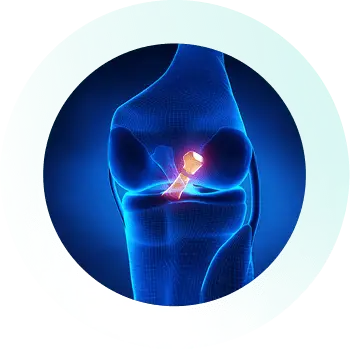
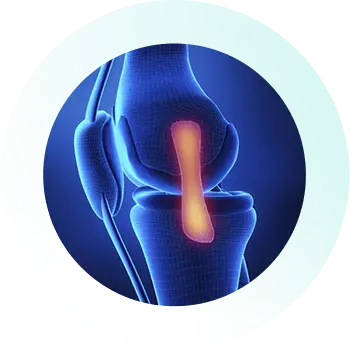
– ACL Reconstruction Surgery – Addressing anterior cruciate ligament tears
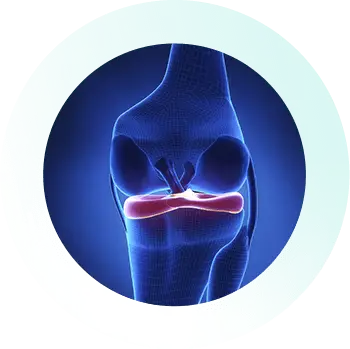
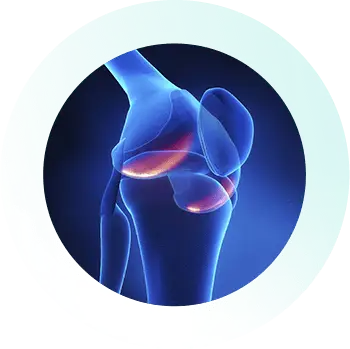
– Meniscus Repair – Preserving your knee’s natural cushioning
– Cartilage Repair – Restoring smooth joint surfaces
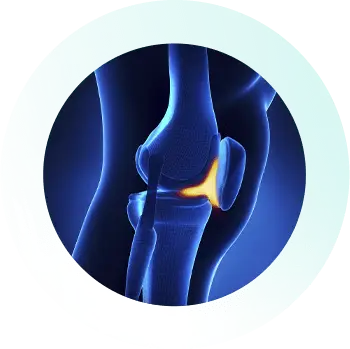
– Kneecap Realignment – Correcting patellar instability
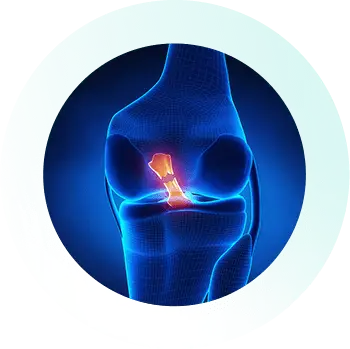
– PCL Reconstruction – Posterior cruciate ligament treatment
– MPFL Reconstruction – Medial patellofemoral ligament repair
Educational Resources:
– Understanding Knee Ligament Injuries
– Preventing Knee Arthritis Through Early Intervention
Important Medical Information: This article provides general information about general sports injuries. It does not constitute medical advice. Every sports injury is unique and requires individual assessment by a qualified orthopaedic specialist. If you are experiencing joint pain, instability, or difficulty with weight bearing activities, consider contacting Orthokinetics for an evaluation tailored to your specific condition.