

Meniscus Injury in Athletes: How It Happens and How It Is Treated
You felt it before you heard it … a sharp twist, then a pop that cut through the noise of the game. A meniscus injury is a tear in the C-shaped cartilage cushioning the knee joint, and it is one of the most common athletic knee injuries in sport. In young athletes, meniscus injuries account for 10 to 20 percent of all knee injuries*.
This guide covers the key meniscus tear causes, symptoms to watch for, and the meniscus treatment options available at Orthokinetics.
📅 Book Your Consultation with Dr. Sean Leo →
💬 WhatsApp Us for Faster Replies →
*¹Marigi, E. M., Till, S. E., Payne, W. B., Sanchez-Sotelo, J., Stuart, M. J., & Krych, A. J. (2024). Meniscus tears in elite athletes: Treatment considerations, clinical outcomes, and return to play. Current Reviews in Musculoskeletal Medicine, 17(8), 313–320. 🔗https://pubmed.ncbi.nlm.nih.gov/38833135/ and https://pmc.ncbi.nlm.nih.gov/articles/PMC11219605/
Key Takeaways
✅ A meniscus injury results from twisting, pivoting or impact during sport.
✅ The most common meniscus tear causes are sudden directional changes under load.
✅ Early diagnosis improves long-term outcomes for athletic knee injuries.
✅Meniscus treatment options range from physiotherapy to arthroscopic surgery.
What Is a Meniscus Injury?
A meniscus injury is a tear in the meniscus — the rubbery, C-shaped cartilage between the thigh bone and shin bone that absorbs shock and stabilises the knee joint.
Each knee has two menisci — a medial (inner) and a lateral (outer). Together, they distribute weight across the knee, protect joint surfaces from wear and contribute to stability. When this cartilage tears, the knee loses part of its natural cushioning system. The medial meniscus is injured more often because it is less mobile and more firmly attached to surrounding structures, making it vulnerable during sudden direction changes.
Reference:
¹ Raj, M. A., Bubnis, M. A., & Bhimji, S. S. (2023). Knee meniscal tears. In StatPearls. StatPearls Publishing. 🔗 https://www.ncbi.nlm.nih.gov/books/NBK431067/
² Physiopedia Contributors. (2021). Anatomy and physical examination of the knee menisci: A narrative review of the orthopaedic literature. International Journal of Sports Physical Therapy, 4(4), 199–210.
🔗 https://pmc.ncbi.nlm.nih.gov/articles/PMC2796951/
Citable Insight:📌 A meniscus injury disrupts the knee’s natural shock-absorbing system, increasing joint stress.
A meniscus injury can range from a minor tear that causes mild discomfort to a complex tear that locks the knee. The severity and location directly influence which meniscus treatment options are appropriate. Understanding the anatomy helps athletes recognise why these athletic knee injuries require timely assessment rather than a wait-and-see approach.
👉 Related: Meniscus Repair Surgery | Knee Arthroscopy
What Are the Most Common Meniscus Tear Causes?
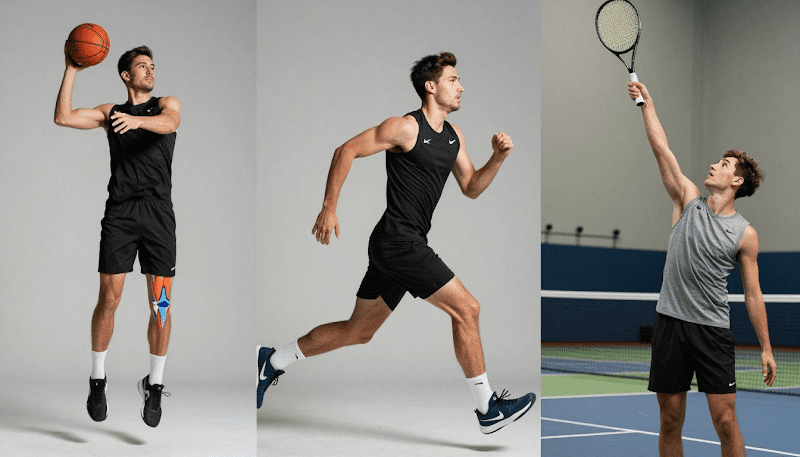
Understanding meniscus tear causes helps athletes recognise risk and protect their knees. Here are the mechanisms most frequently behind athletic knee injuries involving the meniscus.
1. Sudden Twisting or Pivoting
The single most common meniscus tear cause in sport is a forceful twist while the foot stays planted. Picture a footballer changing direction mid-sprint or a basketball player landing and turning sharply. The rotational force exceeds what the cartilage can absorb. These meniscus tear causes are especially prevalent in sports demanding rapid multidirectional movement.
2. Direct Impact or Collision
A blow to the side of the knee from a tackle, fall or contact, can compress the meniscus and cause it to tear. This is common in contact sports like rugby and football, and accounts for a significant proportion of athletic knee injuries.
3. Deep Squatting Under Load
Movements that force the knee into deep flexion while bearing weight place compressive stress on the meniscus. Athletes in weightlifting, cricket and martial arts are susceptible to these meniscus tear causes
Reference:
¹ Rojas-Jaramillo, A., Cuervo-Arango, D. A., Quintero, J. D., Ascuntar-Viteri, J. D., Acosta-Arroyave, N., Ribas-Serna, J., González-Badillo, J. J., & Rodríguez-Rosell, D. (2024). Impact of the deep squat on articular knee joint structures, friend or enemy? A scoping review. Frontiers in Sports and Active Living, 6, 1477796. 🔗 https://pmc.ncbi.nlm.nih.gov/articles/PMC11618833/
² Escamilla, R. F. (2001). Knee biomechanics of the dynamic squat exercise. Medicine & Science in Sports & Exercise, 33(1), 127–141. 🔗 https://pubmed.ncbi.nlm.nih.gov/11194098/
4. Combined ACL and Meniscus Injuries
ACL injuries are frequently associated with meniscal damage. Research shows that roughly half or more of all ACL injuries also involve meniscal damage, because the sudden loss of ligament stability increases stress on the cartilage during the same traumatic event. These combined athletic knee injuries require careful surgical planning.
Reference:
¹ Gupta, R., Singh, A., Rathore, A., Dogra, S., & Sharma, S. (2021). Strong association of meniscus tears with complete anterior cruciate ligament injuries relative to partial ACL injuries. Journal of Orthopaedics, 28, 1–5. 🔗 https://pmc.ncbi.nlm.nih.gov/articles/PMC8577485/
² Sasaki, S., et al. (2015). Meniscal tears associated with anterior cruciate ligament injury. Archives of Orthopaedic and Trauma Surgery, 135(12), 1701–1706. 🔗 https://pubmed.ncbi.nlm.nih.gov/26286641/
👉 Related: ACL Injuries in Athletes | Sports Injury Prevention Tips
How Do You Recognise a Meniscus Injury?
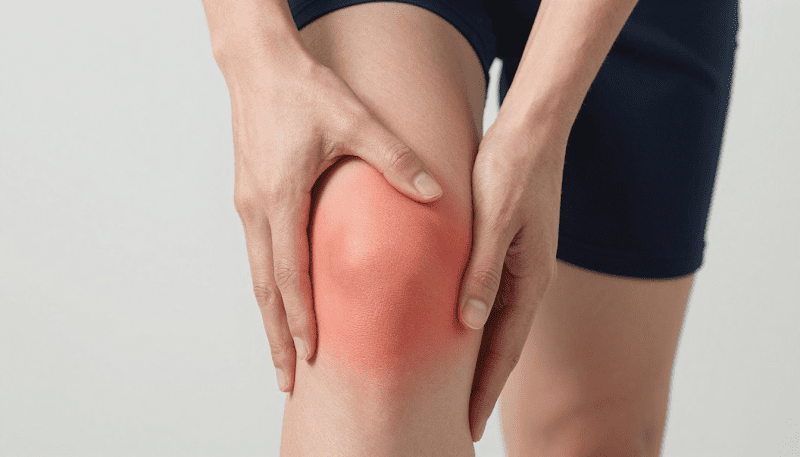
A meniscus injury does not always announce itself dramatically. Some tears develop gradually. Knowing the signs helps athletes seek assessment sooner.
Common symptoms include a popping sensation at the moment of injury, swelling that builds within hours, pain along the inner or outer joint line that worsens with twisting, a locking or catching sensation where the knee feels stuck, a feeling of instability or giving way, and stiffness after rest.
Citable Insight:📌 Ignoring a meniscus injury can lead to further cartilage damage and increased osteoarthritis risk.
If these symptoms feel familiar, do not dismiss them. Understanding meniscus tear causes and acting early prevents a minor tear from becoming a major problem. A meniscus injury that goes undiagnosed can accelerate joint wear and create secondary athletic knee injuries over time.
How Is a Meniscus Injury Diagnosed?
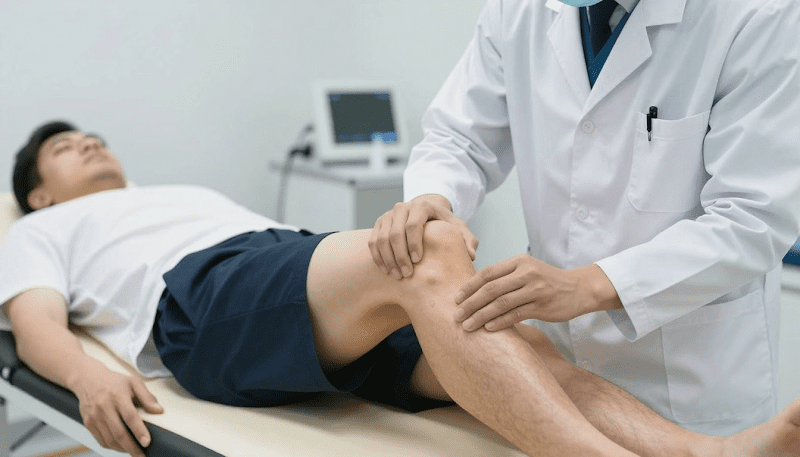
Accurate diagnosis is the foundation of effective treatment. At Orthokinetics, assessment involves clinical history to understand the mechanism and sport involved, physical examination using the McMurray and Apley compression tests, MRI scanning to confirm tear type, size and location, and X-rays to rule out fractures.
Correct diagnosis from the outset matters because the tear pattern guides which meniscus treatment options will deliver the best outcome.
Schedule Your Diagnostic Assessment →
What Are the Available Meniscus Treatment Options?
Meniscus treatment options depend on the tear type, location and the patient’s activity goals. The guiding principle is meniscus preservation which is retaining as much healthy tissue as possible.
Conservative Treatment
Small, stable tears in the outer zone, which have better blood supply may heal with rest, ice, anti-inflammatory medication and structured physiotherapy. The Cleveland Clinic notes that conservative management is often the first approach for minor or degenerative tears where the knee remains stable. This pathway is common for less severe athletic knee injuries.
Arthroscopic Meniscus Repair
When a tear is large enough to cause symptoms but located in the vascularised zone, arthroscopic repair is preferred. The surgeon stitches the torn edges together through small incisions, preserving the meniscus. A meta-analysis found a 90 percent return-to-play rate following repair. Recovery typically takes six to nine months. This is one of the most effective meniscus treatment options for athletes seeking long-term joint health.
Reference:
¹ Totlis, T., Haunschild, E. D., Otountzidis, N., Stamou, K., Condron, N. B., Tsikopoulos, K., & Cole, B. J. (2021). Return-to-sport rate and activity level are high following arthroscopic all-inside meniscal repair with and without concomitant anterior cruciate ligament reconstruction: a systematic review. Arthroscopy: The Journal of Arthroscopic and Related Surgery, 37(7), 2351–2360. 🔗 https://pubmed.ncbi.nlm.nih.gov/33753131/
Partial Meniscectomy
If the tear is in the inner zone, where blood supply is limited or is too complex for repair, a partial meniscectomy removes only the damaged tissue. Return to sport is faster at four to twelve weeks, but the trade-off is reduced shock absorption over time. Preserving meniscal tissue wherever possible remains the priority in modern orthopaedics.
Comparison: Meniscus Repair vs Partial Meniscectomy
| Feature | Meniscus Repair | Partial Meniscectomy |
| Goal | Preserve full meniscus | Remove damaged tissue only |
| Ideal Tear Location | Outer (Vascularised) Zone | Inner (Avascularised) Zone |
| Return to Sport | 6 to 9 months | 4 to 12 weeks |
| Long Term Joint Protection | Higher | Lower |
| Re-tear Risk | Slightly Higher Initially | Lower Re-Tear, Higher OA Risk |
👉 Related: Cartilage Repair Surgery | Post-Surgery Recovery Guide
What Does Recovery Look Like After a Meniscus Injury?

Recovery from a meniscus injury is about rebuilding the strength and confidence to move, land and pivot without hesitation.
Rehabilitation Phases
- Protective Phase (Week 1 to 2) — Reduce swelling, manage pain and restore basic range of motion.
- Strengthening Phase (Week 2 to 8) — Progressive exercises targeting quadriceps, hamstrings and hip stabilisers.
- Functional Phase (Week 8 to 16) — Sport-specific drills, agility training and graduated return to running.
- Return-to-Sport Phase (Month 4 to 9) — Full sport participation resumes once strength, balance and confidence criteria are met.
Citable Insight:📌 Structured rehabilitation is the single most important factor in lasting recovery from athletic knee injuries.
A well-designed programme, coordinated between surgeon and physiotherapist, transforms meniscus treatment options into real-world results on the field.
👉 Learn more about Dr. Sean Leo | View all knee services
Frequently Asked Questions About Meniscus Injuries
1. Can a meniscus injury heal without surgery?
Small, stable tears in the outer zone may heal with physiotherapy and activity modification. The 2024 EU-US Consensus confirms that exercise therapy is a viable option for certain meniscus tear causes and tear patterns. Larger tears or those causing locking typically require surgery.
Reference:
¹ Prill, R., Ma, C. B., Wong, S. E., Beaufils, P., Monllau, J. C., Arhos, E. K., Becker, R., Della Villa, F., Goodloe, J. B., Irrgang, J. J., Krych, A. J., LaPrade, R. F., & Manske, R. (2024). The formal EU-US Meniscus Rehabilitation 2024 Consensus: An ESSKA-AOSSM-AASPT initiative. Part II — Prevention, non-operative treatment and return to sport. Knee Surgery, Sports Traumatology, Arthroscopy, 32(12), 3014–3037.
🔗 https://pmc.ncbi.nlm.nih.gov/articles/PMC12163282/
2. How long does it take to return to sport after treatment?
After partial meniscectomy, most athletes resume sport within four to twelve weeks. After meniscus repair, recovery takes six to nine months. The right meniscus treatment options and consistent rehabilitation determine the timeline.
3. What sports carry the highest risk of meniscus injury?
Sports involving frequent pivoting, cutting and jumping carry the highest risk. Football, basketball, tennis, badminton, netball and volleyball are common sources of athletic knee injuries, with repetitive cutting and landing confirmed as key meniscus tear causes
4. Is meniscus repair better than meniscectomy?
Both have their place. Repair preserves native tissue and long-term joint health. Meniscectomy offers faster return but removes shock-absorbing tissue. At Orthokinetics, meniscus treatment options are guided by the principle of preservation wherever the tear is repairable.
5. Can a meniscus injury lead to arthritis?
Yes. When meniscal tissue is damaged or removed, the remaining cartilage bears increased stress. Over time, this accelerates wear and raises osteoarthritis risk, which is why current research prioritises repair over removal as one of the most important meniscus treatment options for long-term health.
👉 Related: Meniscus Tears in Athletes | Total Knee Replacement
Taking the Next Step After a Meniscus Injury
A meniscus injury does not have to define your sporting future. With the right diagnosis and structured rehabilitation, most athletes return to the activities they love.
At Orthokinetics, Dr. Sean Leo provides comprehensive assessment and personalised treatment for meniscus injuries and other athletic knee injuries. From consultation through surgery and recovery, every step is guided by evidence-based care and 25 years of clinical experience combined with sub-specialisation in knee surgery..
📱 WhatsApp: +65 8439 2120 | 📧 appointment@orthokinetics.sg
Related Knee Specialist Services:
- ACL Reconstruction Surgery – Addressing anterior cruciate ligament tears
- Meniscus Repair – Preserving your knee’s natural cushioning
- Cartilage Repair – Restoring smooth joint surfaces
- Kneecap Realignment – Correcting patellar instability
- PCL Reconstruction – Posterior cruciate ligament treatment
- MPFL Reconstruction – Medial patellofemoral ligament repair
Educational Resources:
- Understanding Knee Ligament Injuries
- Knee Surgery Recovery Guide
- Preventing Knee Arthritis Through Early Intervention
- Sports Injury Prevention Tips
- Meniscus Tears in Athletes
- Post-Surgery Recovery
- Sports Injury Prevention
📞 Contact Orthokinetics
Orthosports@Novena
📍 38 Irrawaddy Road, #10-41
Mount Elizabeth Novena Specialist Centre
Singapore 329563
📞 Call: +65 6734 8168
💬 WhatsApp: +65 8439 2120
📧 Email: appointment@orthokinetics.sg
Orthosports@Connexion
📍 1 Farrer Park Station Road, #15-17
Connexion, Singapore 217562
📞 Call: +65 6435 0015
💬 WhatsApp: +65 8439 2120