
Treatment for an ACL tear will depend on the patient’s individual needs and desired goals for recovery [1]. The treatment for collateral ligament injuries depends on the patient’s individual needs, severity of injury, and whether there are other injuries [3]. If you have injured only your posterior cruciate ligament, your injury may heal quite well without surgery [2].
An anterior cruciate ligament (ACL) tear, or rupture, is one of the most common knee injuries [1]. Treatment for an ACL tear will depend on the patient’s individual needs and desired goals for recovery [1].
- What does the ACL do, and how is a tear treated?
- What does the posterior cruciate ligament (PCL) do, and how is an injury treated?
- What do the collateral ligaments do, and how are injuries treated?
- What does the meniscus do, and how is a tear treated?
- What does the NHS say about joint injury and osteoarthritis?
- When is urgent help needed?
- What should I do next?
What does the ACL do, and how is a tear treated?
The ACL runs diagonally in the middle of the knee. It prevents the tibia (shinbone) from sliding out in front of the femur (thighbone) and provides rotational stability to the knee [1].
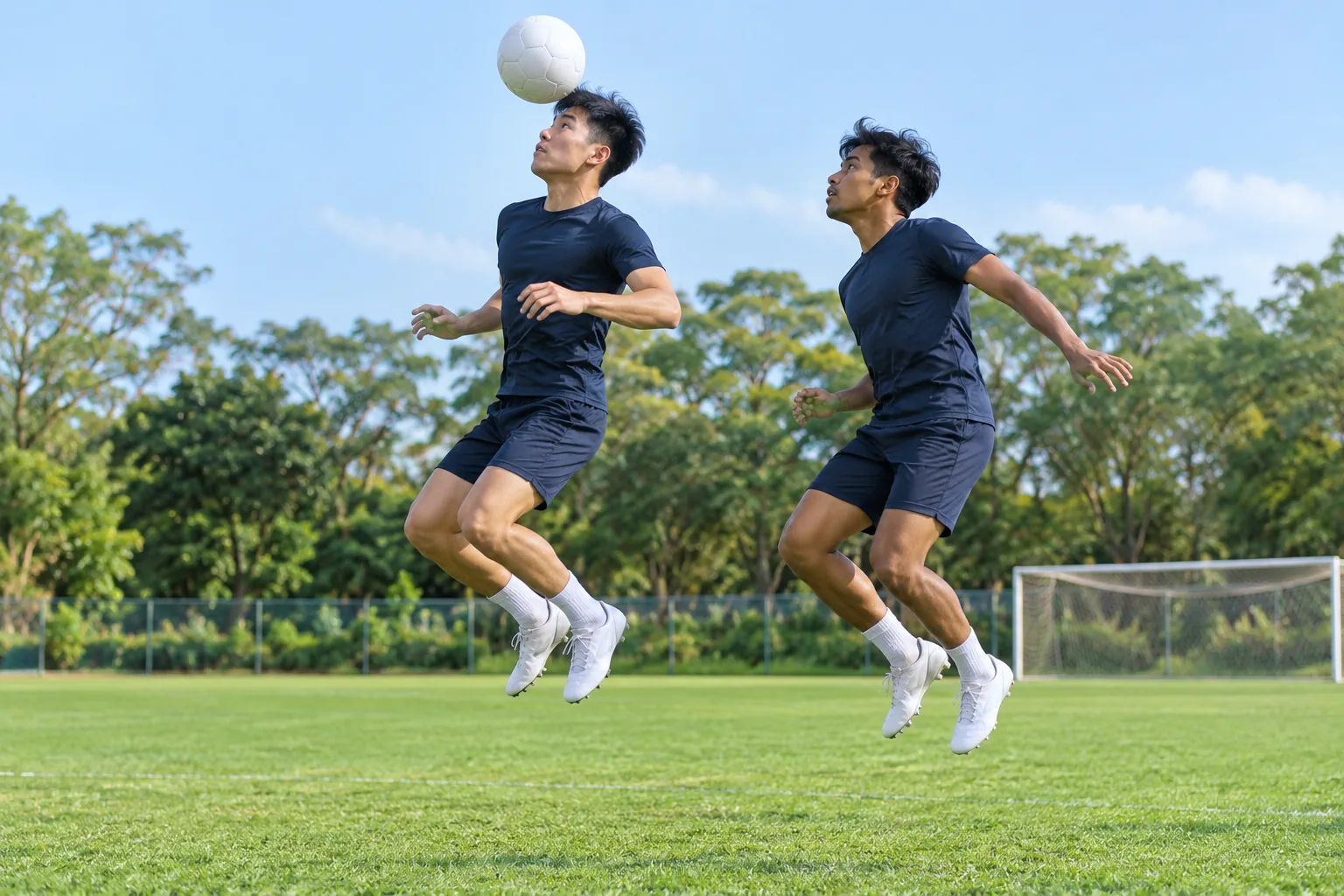
Anyone can tear their ACL, but the injury most often occurs when a person is pivoting, cutting, or jumping with their leg fully straightened on impact with the ground [1].
When you injure your anterior cruciate ligament, you might hear a popping noise, and you may feel your knee give out from under you [1].
More on ACL symptoms and treatment
Treatment for an ACL tear will depend on the patient’s individual needs and desired goals for recovery [1].
If you have injured your anterior cruciate ligament, the AAOS page says that within 24 hours your knee will swell [1].
The AAOS page says that if you injure your ACL, you may need surgery to regain full function of your knee [1]. It also says that non-operative management (treatment without surgery) is always an option [1].
What does the posterior cruciate ligament (PCL) do, and how is an injury treated?
The posterior cruciate ligament keeps the tibia (shinbone) from moving backward with relation to the thigh bone [2].
Injuries to the posterior cruciate ligament are not as common as other knee ligament injuries [2].
More on PCL treatment
If you have injured only your posterior cruciate ligament, your injury may heal quite well without surgery [2].
Your doctor may recommend surgery if you have combined injuries [2].
Whether or not your treatment involves surgery, rehabilitation plays a vital role in getting you back to your daily activities [2].

What do the collateral ligaments do, and how are injuries treated?
The medial collateral ligament (MCL) is on the inside. It connects the femur (thighbone) to the tibia (shinbone) [3].
The lateral collateral ligament (LCL) is on the outside. It connects the femur to the fibula (the smaller bone in the lower leg) [3].
If there is an MCL injury, the pain will be on the inside of the knee; an LCL injury may cause pain on the outside of the knee [3].
The treatment for collateral ligament injuries depends on the patient’s individual needs, severity of injury, and whether there are other injuries [3].
More on collateral ligament treatment
If you have a low-grade MCL injury and no related injuries, you can manage your injury without surgery [3].
The AAOS page says you will also work with a physical therapist (physiotherapist) to prevent stiffness and rebuild strength and confidence in the knee [3].
Non-operative management (treatment without surgery) is an option for LCL tears that are not severe — Grade I and II — and are stable [3].
Surgery may be recommended if the ligament has pulled directly off the bone or if you have other injuries along with the LCL tear [3].
What does the meniscus do, and how is a tear treated?
Two wedge-shaped pieces act as shock absorbers between the femur (thighbone) and tibia (shinbone). These are menisci [1].
Meniscus tears are extremely common knee injuries [4]. Acute meniscus tears often happen during sports [4].
The most common symptoms of a meniscus tear include catching or locking of your knee and the sensation of your knee giving way [4].
More on meniscus treatment
The outer one-third of the meniscus has a rich blood supply [4]. A tear in this “red” zone may heal on its own or can often be repaired with surgery [4].
If your symptoms persist with nonsurgical treatment, your doctor may suggest arthroscopic surgery [4].
In this procedure, the surgeon inserts a miniature camera through a small incision (portal) in the knee [4]. This provides a clear view of the inside of the knee [4].
What does the NHS say about joint injury and osteoarthritis?
The NHS says the exact cause of osteoarthritis is not known, but several things are thought to increase your risk of developing it, including joint injury – overusing your joint when it has not had enough time to heal after an injury or operation [5].
When is urgent help needed?
The list below covers the signs that should not wait for a routine appointment.
What should I do next?
The assessment brings together the patient’s story, an examination and any tests that help, so that the patient and the surgeon can decide together. It looks at the structure involved, the patient as a whole person and the goal they want to return to. An appointment supports an informed decision. It is not a commitment to surgery.
- Read about the ACL reconstruction surgery.
- Read about the MCL reconstruction surgery.
- Read about the meniscus repair surgery.
- Read about the cartilage repair surgery.
- Read about the Knee Hub.
- Read about what to do in the first days after a knee injury.
- Read about golf and knee pain.
- Read about sports injuries.
This page provides general information and cannot diagnose an individual condition. OrthoKinetics does not provide emergency or urgent care through this webpage or its WhatsApp contact.
References
- AAOS OrthoInfo. Anterior Cruciate Ligament (ACL) Injuries. https://www.orthoinfo.org/diseases–conditions/anterior-cruciate-ligament-acl-injuries (accessed 5 October 2026).
- AAOS OrthoInfo. Posterior Cruciate Ligament (PCL) Injuries. https://www.orthoinfo.org/diseases–conditions/posterior-cruciate-ligament-injuries (accessed 5 October 2026).
- AAOS OrthoInfo. Collateral Ligament Injuries. https://www.orthoinfo.org/diseases–conditions/collateral-ligament-injuries (accessed 5 October 2026).
- AAOS OrthoInfo. Meniscus Tears. https://orthoinfo.aaos.org/en/diseases–conditions/meniscus-tears/ (accessed 5 October 2026).
- NHS. Osteoarthritis. https://www.nhs.uk/conditions/osteoarthritis/ (page last reviewed 20 March 2023).
Was this page helpful?