

Meniscus Tear Recovery Time and Safe Exercises for Faster Joint Healing

Contributed by Dr Sean Leo, Orthopaedic Surgeon at Orthokinetics
A sharp pop in your knee. Swelling. Pain on stairs. How long until normal movement? Do you need surgery? Meniscus tear recovery time depends on tear type. Conservative care takes three to six months; surgery takes four to six months with rehabilitation.
Your meniscus is two C-shaped cartilage wedges acting as shock absorbers between your thighbone and shinbone. When torn, your knee loses protection. Structured physical therapy works for most tears. Surgery isn’t always necessary. With safe exercises after meniscus injury and professional guidance, you restore mobility and return to valued activities. This guide outlines recovery phases and specialist assessment.
Key Takeaways
- Meniscus tear recovery time varies: Three to six months conservatively, or four to six months post-surgery with rehabilitation
- Safe exercises for meniscus tear recovery begin week two to three, preventing muscle loss and restoring knee stability
- Mechanical locking, persistent swelling, and failed conservative care signal when surgery becomes necessary
- Return-to-sport timelines depend on compliance, pain response, and strength restoration—not calendar dates alone
Understanding Meniscus Injury: Anatomy and Tear Types
Your meniscus is not a single structure—it’s two separate cartilage wedges, one on the inner knee and one on the outer edge. Think of them as shock absorbers cushioning impact and distributing weight evenly across the joint.
Tears happen in two distinct ways:
| Tear Type | How It Occurs | Common in Sports | Recovery Pattern |
|---|---|---|---|
| Acute/Traumatic (WebMD, n.d.) | Sudden twisting with foot planted firmly | Football, basketball, tennis, netball | Faster initial response to rehab |
| Degenerative | Age-related cartilage weakening | Walking, squatting, everyday movement | Slower but steadier with exercise |
The classic symptom is a distinct pop followed by immediate swelling, stiffness, and pain when you twist or bend your knee. Some people describe a catching or locking sensation—this matters later when deciding on treatment.
Here’s the critical detail: your meniscus has two zones. The outer edge (red zone) has blood supply and can heal itself. The inner two-thirds (white zone) has no blood flow, making natural healing unlikely (Medical News Today, n.d.). Where your tear sits determines whether conservative care alone works or surgery becomes necessary.
Meniscus Tear Recovery Time: The Realistic Timeline
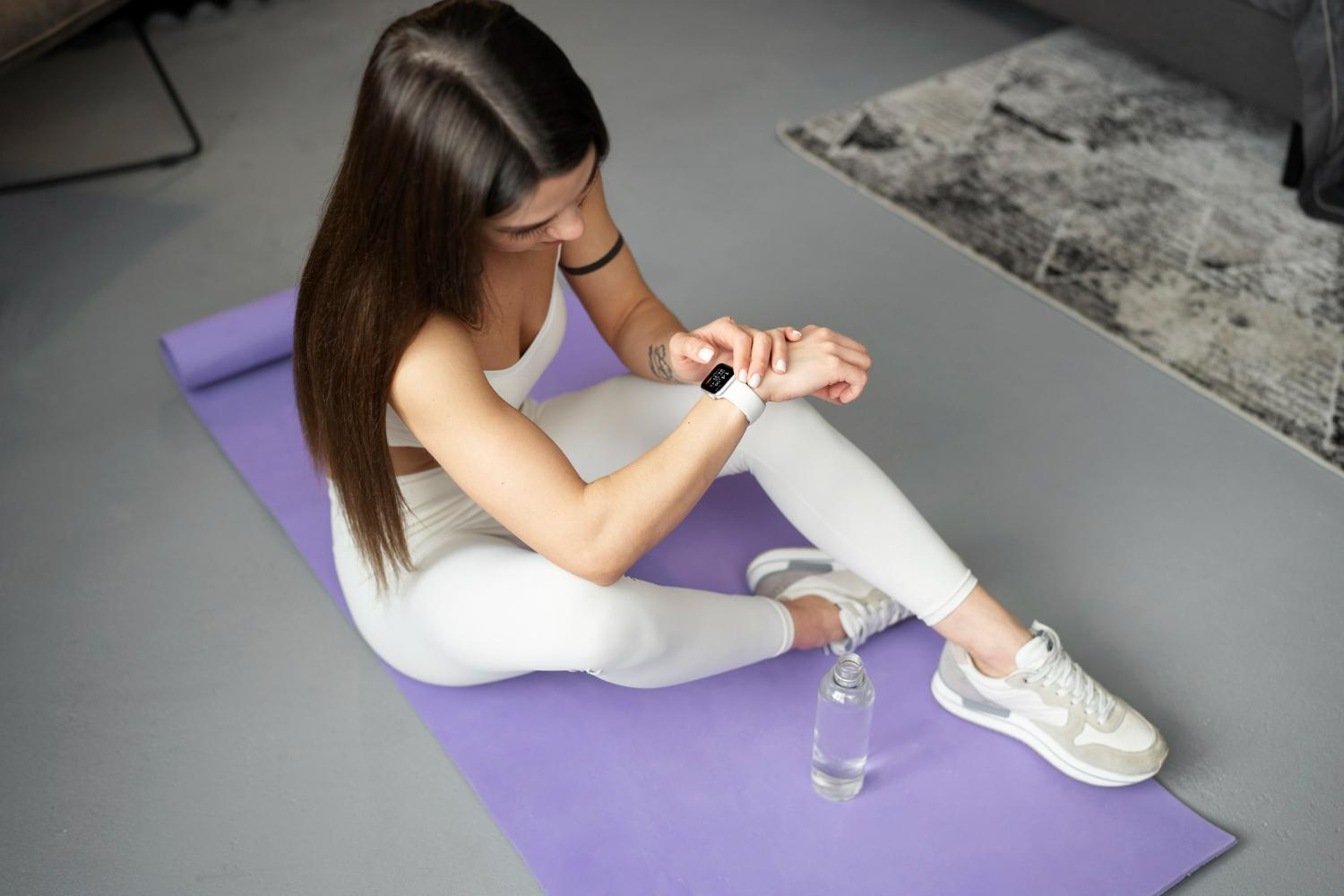
Recovery unfolds in distinct phases. Understanding each phase keeps you on track and helps you recognise progress.
Conservative Care Path: Three to Six Months
| Phase | Timeline | Focus | What Happens |
|---|---|---|---|
| Phase 1 | Weeks 1–2 | Swelling control | Rest, ice, compression, elevation (R.I.C.E.) |
| Phase 2 | Weeks 2–8 | Gentle strengthening | Quad sets, straight-leg raises, heel slides |
| Phase 3 | Weeks 8–12 | Progressive loading | Mini squats, step-ups, stationary cycling |
| Phase 4 | Weeks 12+ | Return-to-activity | Sport-specific prep, full activity clearance |
Post-Surgery Path: Four to Six Months
Surgery (arthroscopic meniscus repair) typically takes one to two hours. Recovery is faster than major surgery because minimally invasive arthroscopic repair preserves healthy tissue. However, meniscus tear recovery time post-surgery still requires disciplined rehabilitation. Expect four to six months before returning to pivoting sports.
Key variable: tear location matters. Red zone tears heal faster. White-Red zone tears require longer immobilisation and slower progression.
Clinical evidence shows no statistical difference in long-term outcomes between surgery and non-operative physical therapy for non-locking tears. This means your first choice should be structured rehabilitation, not the operating theatre.
Safe Exercises After Meniscus Injury: Phase-By-Phase Guide
Exercises for meniscus tear recovery prevent muscle loss and rebuild stability without aggravating your joint.
Phase 1: Acute Management (Weeks 1–2)
Focus entirely on swelling reduction. Avoid exercise. Follow R.I.C.E.:
- Rest: Stop twisting or deep-bending activities
- Ice: 15–20 minutes, several times daily
- Compression: Wear an elastic knee sleeve
- Elevation: Prop your leg above heart level when resting
Phase 2: Early Strengthening (Weeks 2–8)
Begin these exercises only when swelling decreases and you can bend your knee past 90 degrees without pain.
1. Straight Leg Raises (lying down)
- Position: Lie on your back, tighten the quadriceps of your injured leg
- Movement: Lift your leg roughly 12 inches off the floor
- Reps: Three sets of ten repetitions
- Why: Builds quad strength without compressing the joint
2. Heel Slides (seated)
- Position: Sit with legs extended
- Movement: Gently slide your heel towards your buttocks along the floor
- Reps: Three sets of twelve repetitions
- Why: Safely rebuilds knee bending without weight-bearing
3. Clamshells (side-lying)
- Position: Lie on your side with hips and knees bent, feet together
- Movement: Lift your top knee whilst keeping feet together
- Reps: Three sets of fifteen repetitions
- Why: Strengthens hip abductors to prevent inward knee collapse during movement
4. Hamstring Curls (standing, holding support)
- Position: Stand facing a wall or chair, holding for balance
- Movement: Slowly bend your knee and bring your heel towards your glute
- Reps: Three sets of twelve repetitions
- Why: Balances front and back thigh strength
5. Quad Sets (seated)
- Position: Sit with a small rolled towel under your knee
- Movement: Tighten your thigh muscle, hold five seconds, release
- Reps: Three sets of fifteen repetitions
- Why: Isometric strength building without joint movement
Phase 3: Progressive Loading (Weeks 8–12)
Add light resistance and weight-bearing only if previous exercises caused no swelling increase.
- Mini squats: Shallow range, hands on support, three sets of twelve
- Step-ups: Four to six-inch step, three sets of ten per leg
- Stationary cycling: Low resistance, 15–20 minutes, three times weekly
Critical rule: Pain-free movement only. Increased swelling signals regression—ease back to the previous phase.
Knee Joint Healing Exercises: Movements to Avoid
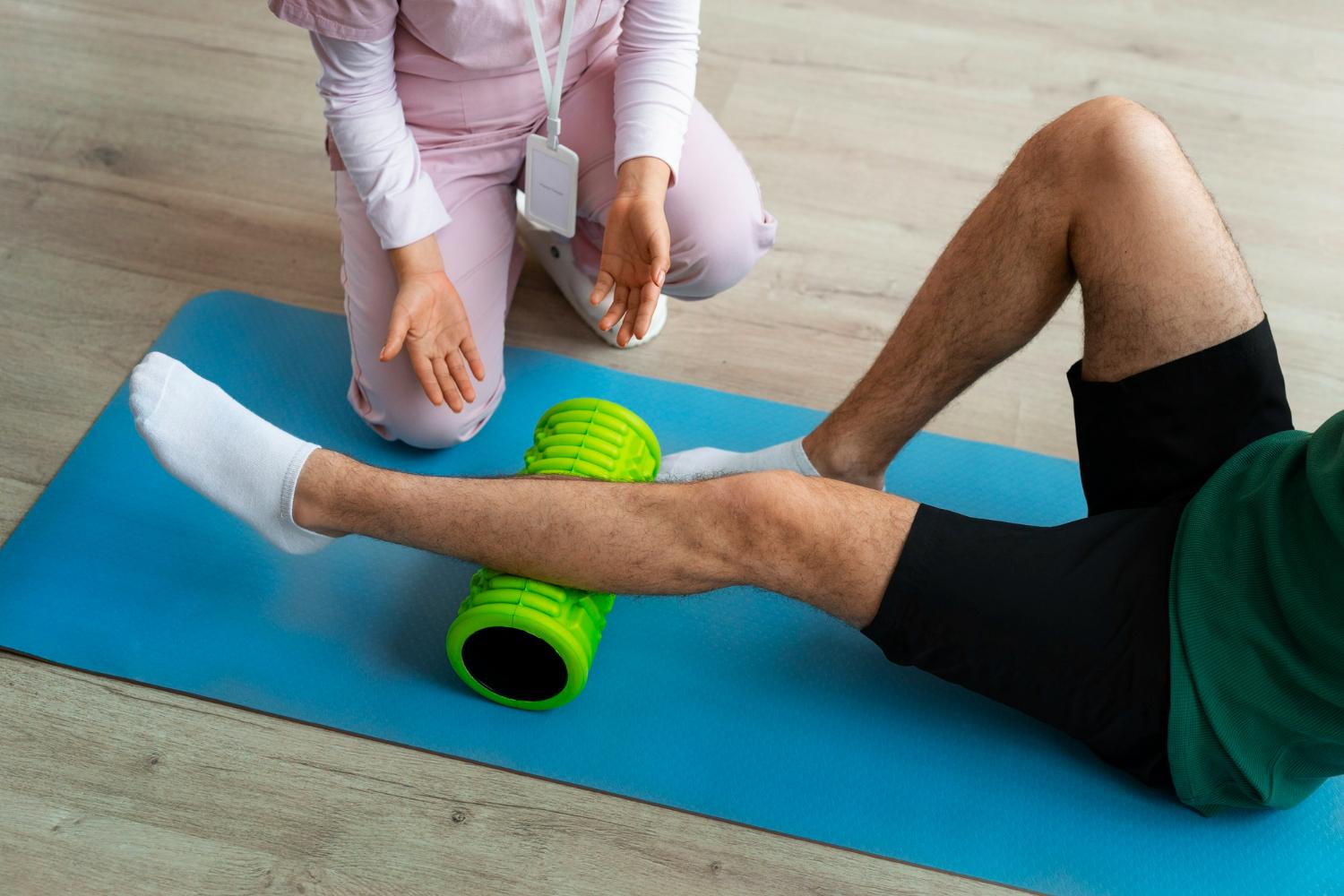
Not all motion is healing. These activities delay recovery or trigger mechanical symptoms:
- Deep squats and lunges below 90-degree knee bend
- Jumping, hopping, or impact activities
- Twisting sports (football, tennis, netball) until cleared by your specialist
- Aggressive stretching (hamstring, quad, IT band) in weeks one to six
- Stationary bike with high resistance or deep knee bending
- Running on hard surfaces until strength testing confirms readiness
Avoid these for eight to twelve weeks minimum, depending on swelling response and strength restoration.
Red Flags: When Conservative Care Isn’t Enough
Most meniscus tears improve with physical therapy. However, certain symptoms signal that surgery becomes necessary.
Seek specialist assessment if you experience:
- Mechanical locking: Your knee locks in a bent position and you cannot fully straighten it
- Persistent catching: Repeated catching or “giving way” despite eight to twelve weeks of structured rehabilitation
- No improvement after conservative care: Swelling and pain remain unchanged after six months of disciplined exercise
- Worsening instability: Your confidence in the knee declines despite exercise compliance
- Inability to return to light activity: Even walking or gentle cycling triggers pain and swelling
True mechanical locking is the primary surgical indicator. Most non-locking tears improve with patience and progressive rehabilitation.
The pathway: commit to three to six months of structured physiotherapy first. Then reassess with your specialist. This approach prevents unnecessary surgery whilst ensuring timely intervention when it genuinely helps.
How to Recover From Meniscus Tear Faster: Specialist-Led Care
Recovery speed depends on early assessment and appropriate treatment selection.
At Orthokinetics, how to recover from meniscus tear faster improves through:
Evidence-Based Pathway
Surgery isn’t reflexive. We follow clinical best practice: attempt conservative care first, assess objectively at six to eight weeks, then decide on surgical intervention only if mechanical symptoms persist.
Minimally Invasive Arthroscopic Repair
If meniscus repair becomes appropriate, arthroscopic repair techniques preserve healthy tissue. You’re back to structured rehabilitation faster, not sidelined for months.
Coordinated Rehabilitation
Meniscus rehabilitation exercises progress alongside physiotherapy and sports rehab specialists. Coordinated care ensures consistency and faster return-to-activity timelines for athletes and active adults.
Individualised Assessment
Treatment plans fit your tear location, activity goals, and response to early rehabilitation. Generic timelines don’t apply.
25+ Years Clinical Expertise
Dr. Sean Leo’s knee and lower-limb subspecialty ensures precise diagnosis and appropriate timing. You avoid both unnecessary surgery and prolonged suffering from inadequate conservative care.
Return-To-Sport Focus
Recovery plans centre on your sport or valued activities—not calendar dates. Whether you’re a competitive footballer, recreational runner, or active parent, your specific movement goals guide rehabilitation progression.
Frequently Asked Questions
Can I recover from a meniscus tear without surgery?
Yes. Clinical evidence confirms structured physical therapy is as effective as surgery for most non-locking tears. Surgery addresses persistent mechanical symptoms (true locking, catching) after conservative care fails.
How do I know my exercises are working?
Progress indicators appear within four to eight weeks: reduced swelling, increased pain-free knee bending range, improved confidence on stairs, and gradual return to walking or stationary cycling. Persistent swelling or increased pain signals regression; modify exercises or seek reassessment.
When can I return to running or sport?
Three to six months conservatively, or four to six months post-surgery with rehabilitation. Return timing depends on exercise compliance, swelling control, and quadriceps and hamstring strength restoration—not timeline alone. Function and pain guide clearance, never calendar dates.
What increases my risk of a second meniscus tear?
Weak quadriceps and hip muscles, poor knee alignment, incomplete rehabilitation, and early return to twisting sports before full strength. Ongoing meniscus rehabilitation exercises and sport-specific conditioning significantly reduce re-injury risk for active adults and athletes.
Explore Our Other Services
Your meniscus tear recovery may lead to complementary care needs. Orthokinetics offers specialist services tailored to your knee health journey:
- Sports Injury Treatment: If your meniscus tear occurred during sport, our sports injury specialists design return-to-activity plans coordinated with rehabilitation. We guide athletes back to training safely and prevent re-injury.
- Knee Arthroscopy: Diagnostic arthroscopy clarifies tear type, location, and healing potential—guiding treatment decisions without major surgery.
- Cartilage Repair Surgery: Meniscus tears sometimes accompany cartilage damage. Early intervention preserves long-term joint health and prevents arthritis progression.
Take the Next Step Towards Knee Stability
Your meniscus tear recovery deserves expert guidance. A specialist assessment clarifies the best path forward—conservative care, minimally invasive repair, or a combined approach tailored to your tear type and activity goals.
Dr Sean Leo at Orthokinetics brings over 25 years of clinical experience with a clinical focus on knee and lower limb surgery, covering everything from structured non-surgical knee treatment to ACL reconstruction, meniscus repair, and knee replacement. Every case starts with an honest, individual assessment.
- Orthosports at Novena: 38 Irrawaddy Road, #10-41, Mount Elizabeth Novena Specialist Centre, Singapore 329563. Tel: +65 6734 8168
- Orthosports at Connexion: 1 Farrer Park Station Road, #15-17 Connexion, Singapore 217562. Tel: +65 6435 0015
- WhatsApp: +65 8439 2120 | Email: appointment@orthokinetics.sg
Arrange a knee assessment at Orthokinetics

Dr Sean Leo is an orthopaedic surgeon with over 25 years of clinical experience and a subspecialty focus on knee and lower limb surgery. He manages the full spectrum of knee conditions, from structured non-surgical care to ACL reconstruction, meniscus repair, and knee replacement, with every case beginning from an honest, individual assessment.
| Disclaimer This article is for informational purposes only and does not constitute medical advice. Consult a qualified medical professional for assessment and treatment of any knee condition. |
Reference List
1 Frizziero, A., Ferrari, R., Giannotti, E., Ferroni, C., Poli, P., & Masiero, S. (2012). The meniscus tear: State of the art of rehabilitation protocols related to surgical procedures. Muscles, Ligaments and Tendons Journal, 2(4), 295–301. Retrieved from Muscles, Ligaments and Tendons Journal
2 Medical News Today. (n.d.). Meniscus tear exercises: Stretches and strengthening routines. Retrieved from Medical News Today
3 WebMD. (n.d.). Meniscus tear injury: Symptoms, diagnosis, and treatment. Retrieved from WebMD