

Effective Strategies for Managing Arthritis Pain Relief
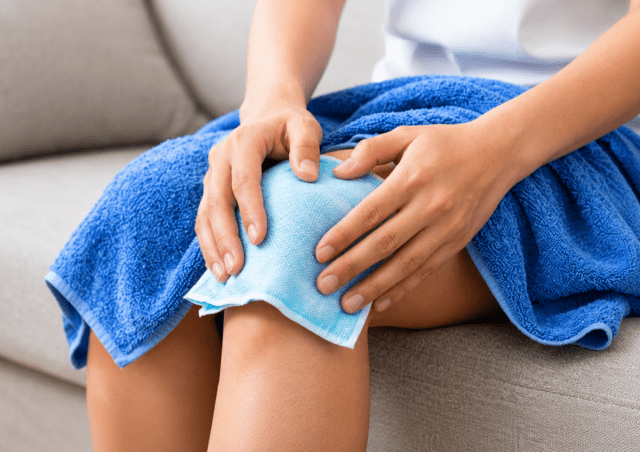
More than 350 million people worldwide live with arthritis and many quietly accept the ache as inevitable. But what if lasting arthritis pain relief is closer than you think? The right arthritis treatment does not just dull the pain; it restores movement, rebuilds confidence, and lets you return to the activities that matter most.
At Orthokinetics, led by Dr. Sean Leo, with over 25 years of clinical experience and a focus on knee and lower limb surgery, we help active adults and athletes understand their treatment options and make informed decisions. This guide outlines evidence-based approaches commonly used in clinical practice.
Key Takeaways
- Arthritis pain relief is often achievable through non-medication approaches.
- Exercise, when done correctly, is one of the most effective arthritis treatments available.
- Understanding what makes arthritis pain worse helps you make smarter daily choices.
- Natural and lifestyle-based strategies can meaningfully reduce joint inflammation over time.
- When conservative methods are not enough, surgical options can restore full function and quality of life.
What Is Arthritis, and Why Does It Cause So Much Pain?
Arthritis is not a single disease but an umbrella term covering over 100 conditions that cause joint inflammation, stiffness, and pain. The two most common forms are osteoarthritis (OA), which develops as cartilage gradually wears down, and rheumatoid arthritis (RA), an autoimmune condition that triggers systemic inflammation. Arthritis is a common condition that affects many adults and can impact mobility and quality of life. In Singapore, knee osteoarthritis is increasingly seen, particularly with an ageing population and among individuals who maintain active lifestyles.
When the joint lining becomes inflamed, nerve endings around the joint register that signal as pain. Over time, cartilage loss means bones begin to rub, amplifying that discomfort. This is why arthritis pain relief is not simply about masking symptoms but it is about addressing the underlying joint environment.
What Makes Arthritis Pain Worse?

Knowing what makes arthritis pain worse is just as important as knowing what eases it. Common aggravating factors include:
- Excess body weight: every extra kilogram places roughly four times the load on your knee joints.
- Physical inactivity: muscles weaken, reducing support around your joint and increasing pain.
- Cold, damp weather: many patients report heightened stiffness in low-temperature conditions.
- Repetitive high-impact movement without proper technique: running on hard surfaces without adequate conditioning.
- Poor posture and biomechanical misalignment: placing uneven stress on joints over time.
- Stress and poor sleep: both heighten the body’s inflammatory response, worsening joint pain.
📌Keeping a pain diary to track patterns is a simple habit that can help you and your clinician make better decisions.
How to Relieve Arthritis Pain Naturally

Many of the most effective approaches to arthritis pain relief begin at home. Learning how to relieve arthritis pain naturally does not require expensive equipment as it starts with movement, nourishment, and habit.
1. Move Gently, but Move Daily
It may feel counterintuitive, but simple inactivity is rarely the answer. Gentle daily movement lubricates the joints, reduces stiffness, and strengthens the muscles that take load off your cartilage. Low-impact options like swimming, walking, cycling offer real arthritis pain relief without additional joint stress.
2. Apply Heat or Cold Strategically
Heat loosens stiff muscles and improves circulation before activity. Cold reduces acute inflammation and numbs sharp pain after exertion. Alternating both is a simple, evidence-backed approach to natural arthritis pain relief that costs nothing and requires no prescription.
3. Adopt an Anti-Inflammatory Diet
What you eat directly influences systemic inflammation. Foods rich in omega-3 fatty acids such as salmon, mackerel and flaxseed may demonstrate anti-inflammatory properties. A balanced diet that emphasises whole foods such as vegetables, fruits, whole grains, lean proteins, and healthy fats, may support overall joint health as part of a broader arthritis management plan. It is also advisable to limit ultra-processed foods, refined sugars, and excessive alcohol intake, as these may contribute to inflammation.
4. Manage Your Body Weight
For patients with knee arthritis, weight management is one of the highest-impact strategies available. Losing just 5% of body weight has been shown to meaningfully reduce knee pain and improve physical function and quality of life. (Chu et al., 2018)
5. Prioritise Sleep Quality
Poor sleep increases the body’s inflammatory markers, which makes arthritis symptoms worse the following day. Structured sleep hygiene, including consistent sleep and wake times, is an underrated component of arthritis pain relief. Stress management, including mindfulness and relaxation techniques, is also considered clinically relevant in managing chronic joint pain.
What Are the Best Exercises to Reduce Arthritis Joint Pain?
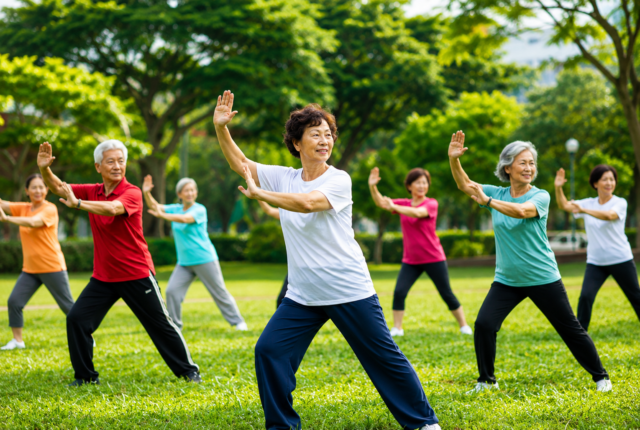
Exercise is one of the most well-evidenced strategies for arthritis treatment, yet it remains one of the most avoided. Structured physical activity has been shown to reduce pain, improve joint function, and enhance quality of life in arthritis patients. The key is selecting the right exercises to alleviate arthritis-related joint pain.
Strength Training: Building the Joint’s Natural Shock Absorbers
Strengthening the quadriceps and hamstrings around the knee reduces the mechanical load on your cartilage. Even two sessions per week of targeted resistance work can create a measurable difference in both pain levels and functional capacity. This is not about lifting heavy but rather it is about building the muscular architecture that protects your joint.
Aquatic Exercise: Movement Without the Impact
Water removes approximately 90% of the body’s gravitational load, making hydrotherapy one of the best exercises to reduce arthritis joint pain. The resistance of water simultaneously strengthens muscles whilst the buoyancy protects your joints. Many patients describe pool-based sessions as the first time in years they have moved without pain.
Stretching and Flexibility Work
Tight muscles around a joint pull it into uncomfortable positions and amplify pain. Daily stretching, particularly of the hip flexors, hamstrings, and calves for lower limb arthritis. reduces that tension and widens your functional range of motion. Yoga and Pilates offer structured, progressive flexibility programmes that suit arthritic joints well.
A Simple Starting Framework
- Begin with 5–10 minutes of gentle walking or cycling to warm the joint.
- Perform 2–3 sets of seated leg raises and wall squats (partial range).
- Stretch hamstrings and calves for 30 seconds per side.
- Finish with 5 minutes of comfortable walking.
- Aim for 3–4 sessions per week, progressing gradually over 4–6 weeks.
Always work with a physiotherapist or orthopaedic specialist before starting, particularly if your arthritis is moderate to severe.
What Is the Best Treatment for Arthritis Pain?
There is no single answer but the right approach depends on the type of arthritis, its severity, your lifestyle, and your goals. At Orthokinetics, we assess each patient individually, prioritising conservative care first and escalating only when clinically indicated.
Conservative Arthritis Treatment Options
- Physiotherapy — guided rehabilitation targeting strength, flexibility, and movement patterns.
- Orthotics and bracing — redistributing load away from the most damaged areas of the joint.
- NSAIDs and analgesics — short-term pharmacological arthritis pain relief, best paired with lifestyle measures.
- Corticosteroid injections — fast-acting arthritis pain relief for acute flare-ups, typically lasting several months.
- Hyaluronic acid injections — lubricating the joint to reduce friction and pain in knee osteoarthritis.
When Is Surgery the Right Step?
When conservative arthritis treatment has been exhausted and pain continues to limit your daily function, surgical intervention may be the most effective path to lasting arthritis pain relief. At Orthokinetics, Dr. Sean Leo offers a range of established orthopaedic procedures, including minimally invasive arthroscopy and joint replacement surgery, with the aim of preserving healthy tissue where appropriate. Treatment recommendations are individualised based on each patient’s condition and clinical assessment.
Frequently Asked Questions About Arthritis Pain Relief
1. What is the fastest way to get arthritis pain relief?
The fastest short-term arthritis pain relief typically involves anti-inflammatory medication, targeted cold or heat therapy, and gentle joint mobilisation. For acute flares, a corticosteroid injection can provide relief within 24–48 hours. Long-term relief requires consistent arthritis treatment addressing the underlying cause.
2. How do I relieve arthritis pain naturally without medication?
Natural arthritis pain relief strategies include daily low-impact exercise, anti-inflammatory dietary choices, heat and cold therapy, stress reduction, and maintaining a healthy body weight. Many patients achieve meaningful relief through these approaches alone, particularly in early-stage arthritis.
3. What makes arthritis pain worse and how can I avoid it?
Excess body weight, physical inactivity, repetitive high-impact activity, cold weather, poor posture, stress, and insufficient sleep can all worsen arthritis pain. Identifying your personal triggers, ideally with clinical guidance, is a foundational step in any arthritis treatment plan.
4. When should I consider surgery for arthritis?
Consider surgical arthritis treatment when conservative measures have been consistently applied for 6 to 12 months without adequate relief, when joint damage is visible on imaging, and when pain is significantly affecting daily function. Surgery at this stage is a recognised, evidence-based intervention that can substantially improve function and quality of life when conservative care has not provided adequate relief.
Take the Next Step Towards Lasting Arthritis Pain Relief
Living with persistent joint pain is not something you simply have to accept. There is a pathway forward and it starts with the right orthopaedic specialist assessment. At Orthokinetics, Dr. Sean Leo and his team explore every conservative arthritis treatment option first. When surgery is clinically indicated, appropriate surgical techniques are used to support recovery and help patients return to their usual daily activities. Outcomes may vary depending on individual condition and response to treatment.
Getting a proper assessment early typically expands the range of treatment options available.
Reference:
Chu IJH, Lim AYT, Ng CLW. Effects of meaningful weight loss beyond symptomatic relief in adults with knee osteoarthritis and obesity: a systematic review and meta-analysis. Obesity Reviews. 2018;19(11):1597–1607. doi:10.1111/obr.12726