

Knee Cartilage Damage: Causes, Symptoms & Treatment
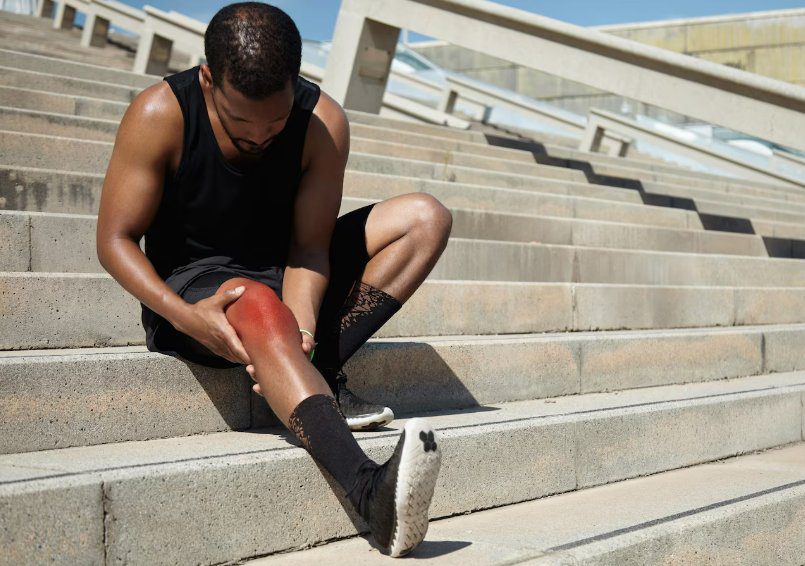
Knee cartilage damage stems from sudden sports injuries or gradual wear over the years. It is one of the main reasons people seek orthopaedic care in Singapore. Cartilage problems can leave your knee painful, unstable, and difficult to move. Understanding what is happening inside your knee and knowing your treatment options is the first step towards recovery. This guide explains the causes and symptoms of cartilage damage, and how knee cartilage treatment specialists in Singapore approach care. We break down what happens when cartilage wears or tears, help you recognise warning signs, and show you what to expect at each stage of treatment.
Key Takeaways
- Cartilage lacks a direct blood supply, which means injuries heal slowly and need specialist attention
- Two types of cartilage protect your knee: articular cartilage (smooth coating on bone ends) and meniscus cartilage (shock-absorbing disc)
- Common symptoms include swelling, locking, grinding sounds, instability, and pain during activity or rest
- Knee cartilage injury Singapore cases stem from either sudden trauma (sports, falls, accidents) or long-term wear (osteoarthritis)
- Most cartilage injury treatment in Singapore starts with non-surgical care; surgery is considered only when conservative measures don’t work
- Early assessment and treatment help protect your knee’s long-term health and function
- For detailed surgical options and booking, visit our cartilage repair surgery page
What Is Knee Cartilage and Why Does It Matter?
Cartilage is a tough, flexible connective tissue that does a vital job: it cushions the ends of your bones and lets them glide smoothly without friction. Think of it as the shock absorber and friction reducer in your knee joint. Your knee contains two main types of cartilage:
- Articular cartilage – a smooth layer coating the ends of your thigh bone and shin bone, allowing them to move without grinding
- Meniscus cartilage – a C-shaped disc of tough cartilage that sits between these bones, distributing weight and absorbing impact
What makes cartilage unique, and why cartilage injuries are tricky, is that cartilage has no direct blood supply. This means it cannot heal itself the way skin or bone can. When cartilage is damaged, your body struggles to repair it, which is why early intervention matters. If you notice pain or mechanical symptoms in your knee, a timely assessment can prevent further deterioration.
Meniscus tears and articular cartilage wear are particularly common in active people. If you’ve experienced a twist, fall, or years of high-impact activity, your cartilage may have sustained damage. Knee cartilage surgery addresses this damage when conservative care isn’t enough.
Common Symptoms of Knee Cartilage Injury Singapore Patients Notice
Cartilage damage shows itself in several ways. Symptoms depend on whether your injury was sudden (a sports twist or fall) or gradual (wear and tear over time). Here’s what to watch for:
| Symptom | What You Might Experience |
|---|---|
| Pain and swelling | Aching during or after activity; tenderness and recurring inflammation; sometimes pain at rest |
| Locking or catching | Joint feels snagged or stuck during movement; sensation of something catching inside the knee |
| Instability | Knee “gives way” on stairs, uneven ground, or during turns; loss of confidence in your leg |
| Crepitus (grinding) | Grating, popping, or crunching sounds when you bend or straighten your knee |
| Stiffness and reduced range | Difficulty straightening or bending your knee fully, especially after sitting still |
If you’re an active adult or athlete, these symptoms often emerge after a specific incident—a twist during sport, a fall, or a direct impact. If you’re older or have been less active, symptoms tend to develop gradually and worsen over months or years.
The key point: don’t ignore these signs. Early assessment of knee cartilage injury in Singapore cases often reveals damage at an earlier, more treatable stage. Many people wait months or years before seeking help, which can allow additional wear to occur.
Why Singapore Patients Seek Cartilage Injury Treatment

Cartilage damage in the knee comes from two main sources: sudden injury and gradual wear.
1. Traumatic Injury (Acute Damage)
A sudden twist, direct blow, fall, or sports impact can tear your meniscus or damage your articular cartilage in seconds. Common scenarios include:
- Pivoting sharply during football, netball, or tennis
- Landing awkwardly from a jump or stumble
- Motor vehicle accident or fall
- Direct blow to the knee
Athletes are particularly at risk, but anyone can suffer a traumatic cartilage injury.
2. Osteoarthritis (Gradual Wear)
Osteoarthritis is a progressive condition where cartilage breaks down over the years due to repeated stress, movement, and age. It’s not an injury—it’s wear and tear. However, the damage accumulates, and symptoms worsen steadily.
Key Risk Factors
Several factors increase your likelihood of developing cartilage damage:
- Excess body weight: A BMI of 30 or higher places extra stress on weight-bearing joints like your knees
- Inactivity: a risk factor for cartilage deterioration and joint stress
- Repetitive occupational strain: jobs requiring prolonged standing, climbing, or heavy lifting
- Previous untreated injuries: old knee injuries that were never properly rehabilitated can lead to early cartilage wear
- Age: cartilage quality naturally declines with age
The good news: many of these factors are modifiable. Maintaining a healthy weight, staying active, and addressing injuries promptly all reduce your risk.
The 4 Stages of Cartilage Wear: Understanding Osteoarthritis Progression
If your knee cartilage treatment in Singapore relates to osteoarthritis rather than acute injury, your condition likely sits somewhere on this scale:
- Stage 1 (Minor): slight cartilage wear visible on imaging; no pain; minimal symptoms
- Stage 2 (Mild): small areas of cartilage loss; occasional stiffness or mild discomfort; symptoms often improve with activity or rest
- Stage 3 (Moderate): noticeable cartilage loss; pain during or after activity; swelling and stiffness after inactivity; reduced range of motion
- Stage 4 (Severe): cartilage is largely worn away; bones begin grinding directly against each other; chronic pain; significant functional loss
Important: earlier stages respond far better to non-surgical approaches. If you catch cartilage damage at Stages 1 or 2, physiotherapy, weight management, and targeted exercise can slow progression. By Stage 4, your options shift towards joint replacement or more intensive intervention.
How Is Knee Cartilage Damage Diagnosed?
An accurate diagnosis guides your entire treatment plan. Your specialist will use a combination of methods:
Physical examination: Your doctor tests your knee’s stability, range of motion, and pain response. Specific manoeuvres reveal whether cartilage or ligaments are damaged.
Imaging:
- X-rays – show bone alignment and joint-space loss, but don’t visualise cartilage directly
- MRI scans – provide detailed images of cartilage, menisci, and ligaments
- Arthroscopy – a camera inserted into the joint allows direct visualisation and, if needed, immediate treatment
X-rays alone often miss early cartilage damage. If your symptoms suggest cartilage injury but your X-ray looks normal, an MRI or arthroscopy may be needed for a definitive diagnosis.
Knee Cartilage Treatment Singapore: Conservative (Non-Surgical) Options
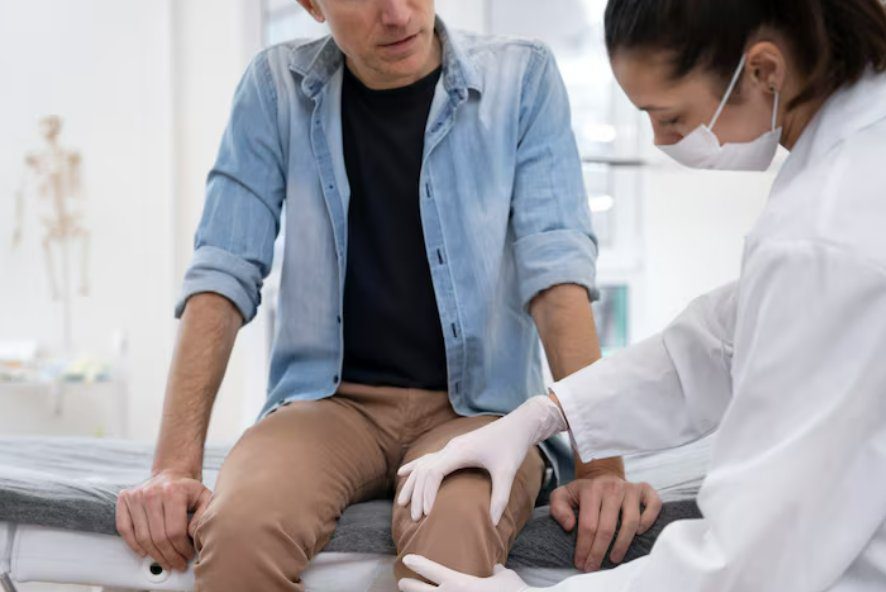
When you first develop a knee cartilage injury, the first approach to cartilage injury treatment in Singapore is almost always non-surgical. Surgery is reserved for cases where conservative care fails or damage is severe.
Physiotherapy and exercise
Targeted exercises strengthen the muscles supporting your knee—your quadriceps, hamstrings, and hip muscles. Stronger supporting muscles reduce the load on damaged cartilage and often relieve pain. Most patients see improvement within 4–6 weeks of consistent physiotherapy.
Anti-inflammatory medication
NSAIDs (non-steroidal anti-inflammatory drugs) like ibuprofen or naproxen reduce pain and swelling, making movement easier and helping you stay active during recovery.
Injections
Several injection types help reduce inflammation and support cartilage:
- Steroid injections — reduce inflammation quickly
- Viscosupplementation (knee gel) — lubricates the joint
Lifestyle modifications
- Weight loss, if needed, reduces joint stress
- Knee bracing provides support and stability
- Activity modification – avoiding high-impact sport temporarily but staying generally active
Recovery timeline: Most non-surgical knee cartilage injury cases in Singapore stabilise within 6–8 weeks with consistent care.
When Cartilage Repair Surgery or Knee Cartilage Surgery Becomes Necessary
If non-surgical care doesn’t resolve your symptoms after 8–12 weeks, or if your cartilage damage is extensive, surgical options may be considered.
Surgical approaches include:
- Debridement: smoothing rough cartilage edges to reduce catching and locking
- Marrow stimulation: creating small holes in bone to trigger new tissue growth
- Cartilage grafting: transplanting healthy cartilage from another source
Recovery from knee cartilage surgery is longer than non-surgical care—typically 9–12 months for significant repairs. Your specialist will discuss which approach suits your damage and goals.
For a thorough explanation of each surgical option, recovery phases, and what to expect, visit our cartilage repair surgery page.
Why Early Cartilage Care Protects Your Long-Term Knee Health
Addressing cartilage damage early isn’t just about relieving today’s pain. Early intervention helps prevent further deterioration and may delay or prevent more extensive future treatment. Untreated cartilage damage worsens steadily, eventually affecting your ability to walk, climb stairs, or enjoy the activities you value.
For athletes aiming to return to sport or older adults wanting to preserve mobility, early assessment matters.
Why Choose Orthokinetics for Cartilage Injury Treatment in Singapore
Orthokinetics is led by Dr. Sean Leo, a board-certified orthopaedic surgeon with over 25 years of clinical experience and subspecialty focus on knee and lower-limb surgery. We combine evidence-based diagnostics, minimally invasive treatment, and personalised recovery plans to restore your knee function.
Our approach places you at the centre: we explain your options clearly, involve you in decision-making, and coordinate care with physiotherapists and rehab specialists to support your return to activity. Your cartilage damage stems from an acute injury or years of wear; we design treatment around your goals and lifestyle.
Frequently Asked Questions
Can cartilage damage heal on its own?
Cartilage has limited healing ability because it lacks a blood supply. Small, minor damage may stabilise, but significant tears typically worsen without intervention. Early assessment prevents this deterioration.
Is surgery always needed for cartilage injury?
No. Most knee cartilage injury cases in Singapore respond well to non-surgical care: physiotherapy, medication, injections, and activity modification. Surgery is considered only when conservative treatment hasn’t worked or damage is severe.
How long does recovery take after cartilage surgery?
Non-surgical recovery usually takes 6–8 weeks. Surgical recovery varies by procedure: minor procedures may take 3–4 months, while major cartilage repairs can take 9–12 months. Your surgeon provides a specific timeline after assessment.
What’s the difference between meniscus and articular cartilage?
Meniscus cartilage is the shock-absorbing disc between your bones. Articular cartilage is the smooth coating on bone ends. Both can be damaged, and both need specialist care.
When should I see a knee specialist?
If you have persistent knee pain, swelling, locking, instability, or symptoms that don’t improve within 4 weeks, book an assessment. Early specialist input often prevents progression and speeds recovery.
Next Steps: Book Your Knee Cartilage Assessment
If you’re experiencing knee pain, swelling, or instability, don’t delay seeking care. A timely specialist assessment can clarify what’s happening and guide your treatment path—starting with structured physiotherapy, injections, or surgical repair.
Dr Sean Leo at Orthokinetics brings over 25 years of clinical experience with a clinical focus on knee and lower limb surgery, covering everything from structured non-surgical knee treatment to ACL reconstruction, meniscus repair, and knee replacement. Every case starts with an honest, individual assessment.
- Orthosports at Novena: 38 Irrawaddy Road, #10-41, Mount Elizabeth Novena Specialist Centre, Singapore 329563. Tel: +65 6734 8168
- Orthosports at Connexion: 1 Farrer Park Station Road, #15-17 Connexion, Singapore 217562. Tel: +65 6435 0015
- WhatsApp: +65 8439 2120 | Email: appointment@orthokinetics.sg
Arrange a knee assessment at Orthokinetics

Dr Sean Leo is a knee and lower limb specialist with over 25 years of clinical experience. His practice covers cartilage repair, meniscus repair, ACL reconstruction, and knee replacement, with an emphasis on early assessment and structured non-surgical care before surgery is considered.
| Disclaimer This article is for informational purposes only and does not constitute medical advice. Consult a qualified medical professional for assessment and treatment of any knee condition. |
Reference
- Cleveland Clinic. (2025, January 30). Knee osteoarthritis: Symptoms, stages, causes & treatment. https://my.clevelandclinic.org/health/diseases/21750-osteoarthritis-knee
- Mass General Brigham. (2026). Knee cartilage damage: Treatment & symptoms. https://www.massgeneralbrigham.org/en/patient-care/services-and-specialties/sports-medicine/conditions/knee/knee-cartilage-injuries
- Newman, T. (2023, July 12). Cartilage damage: Symptoms, causes, diagnosis, and treatment. Medical News Today. https://www.medicalnewstoday.com/articles/171780