

Knee Fat Pad Syndrome: Causes, Symptoms, Treatment and Recovery
Contributed by Dr Sean Leo, Orthopaedic Surgeon at Orthokinetics
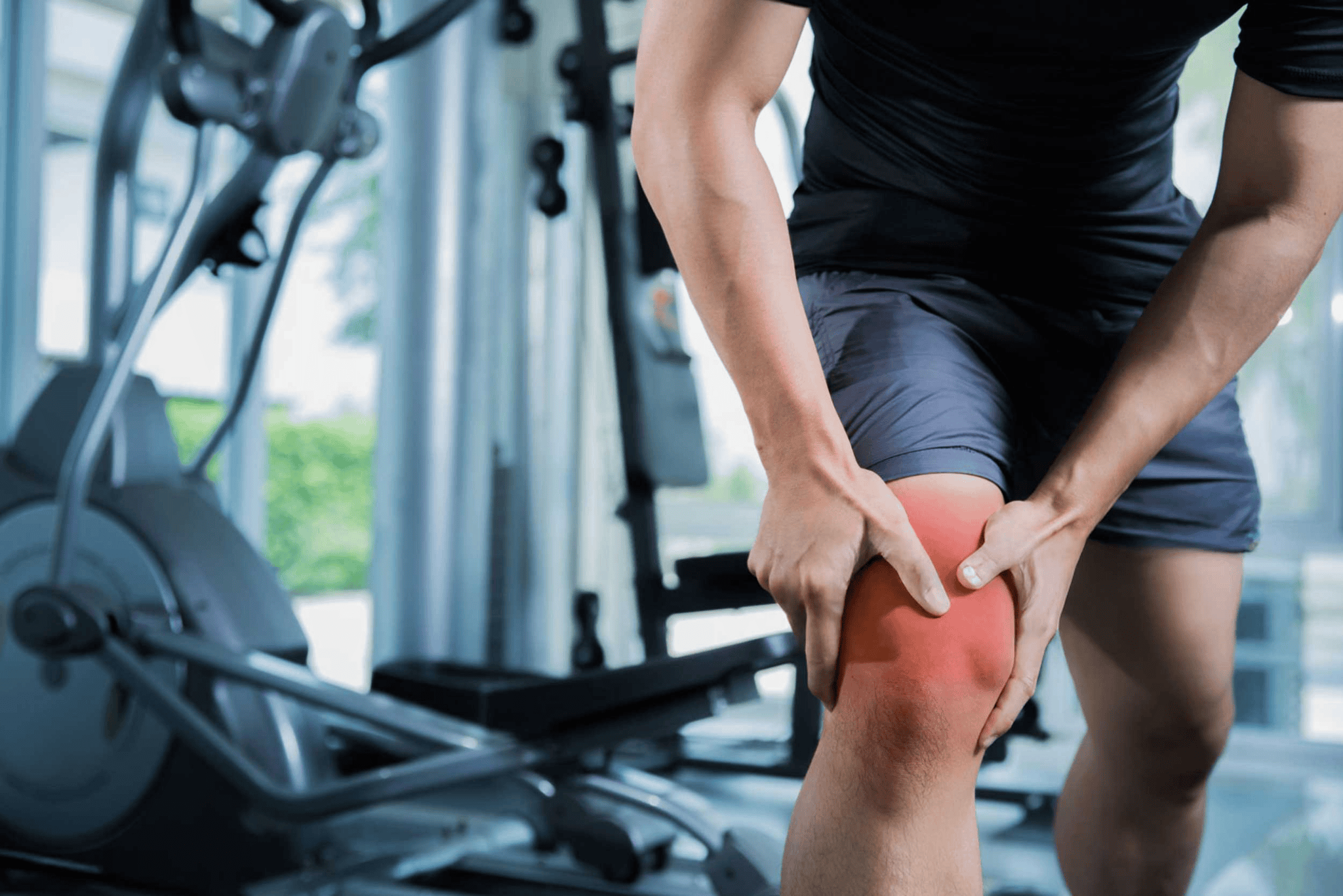
You’re standing from a chair and feel sharp pain below your kneecap. Walking downstairs triggers the same stabbing sensation. Yet your X-ray looks normal. You might have knee fat pad syndrome, a frequently overlooked condition. If you’ve been misdiagnosed with arthritis or told to “just rest” without clear diagnosis, you’re not alone.
Knee fat pad syndrome is frequently missed. The good news: it responds well to treatment, and most people recover without surgery. Also called Hoffa’s Disease, this condition is fully treatable. Understanding what causes knee fat pad impingement, recognising symptoms, and knowing your treatment options helps you recover effectively.
Key Takeaways
- Knee fat pad syndrome is a painful but treatable condition caused by inflammation and swelling of tissue beneath the kneecap
- Fat pad syndrome knee causes sharp front knee pain, especially when straightening the leg or walking downstairs
- Most people respond well to conservative care within four to eight weeks
- Diagnosis uses a simple physical test (Hoffa’s Test) and MRI confirmation
- Specialist assessment prevents misdiagnosis and unnecessary treatment
What Is Knee Fat Pad Syndrome?
The knee fat pad is a small cushion of fatty tissue located directly beneath your kneecap (patella), sitting behind the patellar tendon. Its job is crucial: it acts as a shock absorber and reduces friction during knee movement (Hani et al., 2025).
What makes this tissue special—and particularly painful when injured—is that it’s packed with nerve endings. This means even small irritation to the knee fat pad produces sharp, intense pain (Bupa, 2024). Patients often describe fat pad knee pain as localised, stabbing, and difficult to ignore.
Knee fat pad syndrome is also called Hoffa’s Disease, named after the anatomist who first described it. Many people don’t realise they have this condition because knee fat pad impingement is frequently confused with patellar tendonitis, arthritis, or other knee problems.
How Knee Fat Pad Syndrome Develops
The Injury Cycle
Fat pad syndrome knee follows a predictable cycle: Trauma or overuse → Inflammation → Swelling → Impingement → More pain. Without intervention, this cycle repeats and worsens.
Two Primary Causes
1. Acute Trauma:
- Direct impact to the front of the knee (falling on a hard surface, sports collision, or dashboard impact during a car accident)
- Single traumatic event triggers inflammation immediately
- Fat pad knee pain can develop within days
2. Chronic Repetitive Stress:
- Overuse from repetitive knee straightening movements
- Underlying structural issues like knee hyperextension
- Genu recurvatum (backward-bowing knees) creates particularly high risk
- Consistent hyperextension mechanically pinches the knee fat pad between the thigh bone (femur) and shin bone (tibia)
Who Develops Knee Fat Pad Syndrome
- Athletes (runners, football players, cyclists)
- People with naturally hyperextended knees
- Those with recent knee trauma
- Individuals performing repetitive occupational activities
Recognising Fat Pad Syndrome Knee Symptoms
Primary Warning Signs
Sharp Front Knee Pain: Sharp, localised pain below or around the kneecap distinguishes knee fat pad syndrome from other conditions. The pain feels distinctly different from generalised knee ache. You may experience burning or aching sensations.
Aggravating Movements:
Fat pad knee pain worsens significantly during specific activities:
- Fully straightening the knee
- Standing for extended periods
- Walking downstairs (particularly painful)
- Walking down slopes
- Any movement that hyperextends the knee
Visible and Physical Changes:
- Swelling below and around the kneecap
- Firm or puffy feeling in the area
- Sensation of instability or the knee “giving way”
- Pain that comes and goes inconsistently
- Area feels tender to touch
How Symptoms Differ from Other Knee Conditions
| Condition | Pain Location | Movement | Swelling |
|---|---|---|---|
| Fat pad syndrome knee | Below kneecap | Straightening worse | Below/around cap |
| Patellar tendonitis | Below kneecap | Bending/jumping | Variable |
| Arthritis | Throughout joint | All directions | Generalised |
Diagnosis: Identifying Knee Fat Pad Syndrome
Hoffa’s Test (Patellar Bounce Test)
A physiotherapist or doctor performs this simple test. They press their thumbs firmly into the sides of the knee fat pad whilst your knee is bent, then ask you to straighten your leg. A positive test—sharp, familiar pain reproducing exactly—confirms knee fat pad impingement.
This physical examination requires no equipment and provides immediate diagnostic clarity.
MRI Imaging
MRI scans rule out meniscus tears or ligament damage and show clear swelling (edema) inside the knee fat pad. An MRI confirms diagnosis with visual evidence, though it isn’t always necessary if Hoffa’s Test is conclusive.
Why Proper Diagnosis Matters
Accurate diagnosis prevents unnecessary treatment for the wrong condition, guides the correct treatment pathway, saves time and money, and reduces frustration from ineffective treatments.
How to Treat Knee Fat Pad Syndrome
Phase 1: Calming the Inflammation (Conservative Care)
Rest and Activity Modification:
The initial treatment aims to reduce pain and inflammation through rest. This includes:
- Avoid hyperextension (fully straightening the knee)
- Stop deep squatting movements
- Reduce long-distance walking
- Modify activities that trigger fat pad knee pain
- Initial rest period: two to four weeks
Ice and Anti-Inflammatory Management:
- Apply ice to reduce acute pain and swelling
- Managing swelling reduces knee fat pad impingement pressure
- Over-the-counter NSAIDs such as ibuprofen as directed
- Goal: Shrink tissue inflammation
Patellar Taping (Hoffa’s Taping):
A specific taping technique using rigid tape pulls the top of the kneecap down and tilts the bottom forward. This physically creates mechanical space away from the knee fat pad, providing immediate relief. Patellar taping allows continued gentle activity whilst healing occurs.
Phase 2: Rebuilding Strength (Rehabilitation)
Quadriceps Strengthening:
- Straight leg raises
- Quadriceps sets
- Gentle resistance exercises
- Improves knee tracking and stability
Glute and Core Activation:
- Hip abduction exercises
- Core stability work
- Prevents compensatory movement patterns
Flexibility Work:
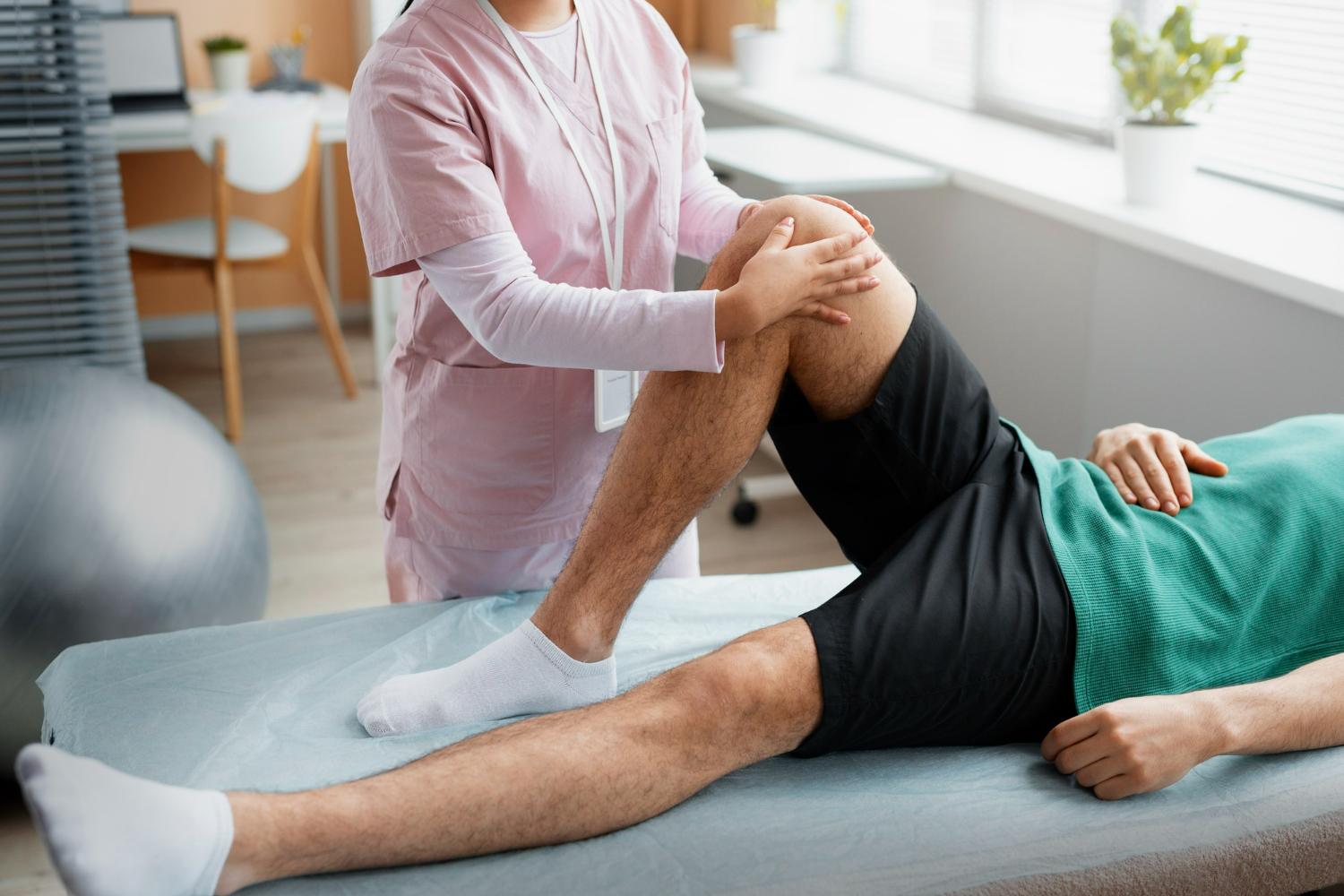
Your physiotherapist will plan a programme of fat pad syndrome exercises to help strengthen your knee and leg muscles gradually. This includes:
- Stretch tight hip flexors
- Stretch tight calves
- Prevents knee locking into hyperextension
- Essential for long-term prevention
This phase begins after acute inflammation calms and continues for six to twelve weeks with gradual progression.
Phase 3: Advanced Interventions (When Conservative Care Falls Short)
Corticosteroid Injections:
Your doctor may offer a corticosteroid injection into your knee joint to provide temporary pain relief. Ultrasound-guided injections directly into the knee fat pad rapidly eliminate chronic inflammation and provide sustained relief lasting weeks to months.
Surgical Intervention (Rare):
Most people with fat pad syndrome don’t need surgery. If other treatments haven’t worked, arthroscopic partial resection—trimming away permanently scarred knee fat pad sections—may be considered. Surgery removes hyper-enlarged portions of the tissue. This remains a last-resort option.
What to Expect During Recovery
Fat pad syndrome will often get better with physical therapy and steroid injections. Most people improve significantly within four to eight weeks of conservative care. Full recovery varies by individual severity, but consistency with treatment matters more than speed. Some people remain slightly symptomatic long-term. Return to activity occurs gradually under guidance. Long-term prevention through exercises remains essential, as recurrence is possible if hyperextension habits resume.
Preventing Knee Fat Pad Syndrome
- Avoid hyperextension in daily activities
- Strengthen quadriceps and glutes regularly
- Maintain flexibility in hip flexors and calves
- Warm up before high-impact activities
- Use proper exercise form
- Stop activities that aggravate the knee
- Wear supportive footwear
- Listen to early pain signals and prevent knee fat pad impingement before it develops
Frequently Asked Questions
Is knee fat pad syndrome serious?
Not serious long-term if treated early. Without intervention, it can become chronic. Most people respond well to conservative care.
Can fat pad syndrome knee go away on its own?
Some mild cases self-resolve with rest. Most benefit from active treatment including taping and strengthening exercises.
Will I need surgery for knee fat pad impingement?
Surgery is rare. Only after months of unsuccessful conservative care is it considered. Most people improve without surgery.
How long does knee fat pad recovery take?
Initial improvement occurs within four to eight weeks. Full recovery takes three to six months, depending on adherence to treatment.
Can I exercise with fat pad knee pain?
Yes, but modified and pain-free. Strengthening exercises are essential. Avoid full knee extension movements.
What activities should I avoid?
Deep squatting, long-distance running, activities causing full knee straightening, and anything causing sharp pain.
Explore Our Other Services
- Sports Injury Treatment — Comprehensive care for athletes experiencing knee fat pad issues.
- Knee Specialist Assessment — Accurate evaluation of knee conditions including fat pad syndrome.
- Post-Injury Rehabilitation — Guided recovery and strengthening programmes.
- Knee Arthroscopy — Diagnostic clarity for complex knee fat pad cases.
Get Expert Diagnosis for Your Knee Pain
Front knee pain affecting your activities? Unsure if you have knee fat pad syndrome? Early specialist assessment prevents chronic problems. Dr. Sean Leo provides accurate diagnosis and a personalised recovery plan.
Dr Sean Leo at Orthokinetics brings over 25 years of clinical experience with a clinical focus on knee and lower limb surgery, covering everything from structured non-surgical knee treatment to ACL reconstruction, meniscus repair, and knee replacement. Every case starts with an honest, individual assessment.
- Orthosports at Novena: 38 Irrawaddy Road, #10-41, Mount Elizabeth Novena Specialist Centre, Singapore 329563. Tel: +65 6734 8168
- Orthosports at Connexion: 1 Farrer Park Station Road, #15-17 Connexion, Singapore 217562. Tel: +65 6435 0015
- WhatsApp: +65 8439 2120 | Email: appointment@orthokinetics.sg
Arrange a knee assessment at Orthokinetics

Dr Sean Leo is an orthopaedic surgeon with over 25 years of clinical experience and a subspecialty focus on knee and lower limb surgery. He manages the full spectrum of knee conditions, from structured non-surgical care to ACL reconstruction, meniscus repair, and knee replacement, with every case beginning from an honest, individual assessment.
| Disclaimer This article is for informational purposes only and does not constitute medical advice. Consult a qualified medical professional for assessment and treatment of any knee condition. |
Reference List
1 Hani, R., Soufiane, B., & Iftekhar, A. (2025). Hoffa disease. StatPearls Publishing. Retrieved from NCBI Bookshelf
2 Bupa. (2024). Infrapatellar fat pad syndrome. Retrieved from Bupa UK