

Knee Injury Dos and Don’ts: A Singapore Guide to Recovery

Contributed by Dr Sean Leo, Orthopaedic Surgeon at Orthokinetics
Knee pain stops active people in their tracks—athletes, weekend joggers, and older adults managing daily activities all face the same challenge. This evidence-based guide covers the dos and don’ts for knee injury recovery in Singapore, helping you navigate the healing process safely. The key to recovery isn’t just treating pain—it’s preventing long-term damage like post-traumatic osteoarthritis. Structured rehabilitation, patient education, and functional monitoring optimise knee health. Your specific recovery path depends on your circumstances, but these principles apply to everyone recovering from knee injury trauma.
Key Takeaways
- Do prioritise structured rehabilitation programmes early
- Do monitor your progress with functional tests regularly
- Don’t ignore persistent swelling or instability—seek professional assessment
- Don’t rely on rest alone; movement is part of healing
- Do educate yourself about your injury and recovery pathway
What Happens When Your Knee Hurts: Recognition and Early Action
Your knee signals injury through pain, swelling, clicking sounds, or instability. Knowing how to respond matters most in those first hours and days. The immediate approach is straightforward: rest the knee, apply ice for 15 minutes, compress with a bandage, and elevate your leg. Avoid walking on the injured knee if pain is severe.
Most people experience either acute knee sports injury events—sudden, traumatic moments like ACL tears or meniscus injuries—or gradual degenerative changes like osteoarthritis. Recovery differs between these injury types, but early professional assessment remains critical. Seek specialist evaluation if pain persists beyond one week, swelling doesn’t reduce with ice and elevation, the knee feels unstable, or daily activities become difficult.
For athletes, a twisted knee during sport needs different management than an older adult’s fall-related injury. Both require expert assessment, but rehabilitation priorities differ. Athletes ask: “When can I return to sport?” Older adults ask: “Will I walk normally again?” These are not the same recovery goals.
The Dos: What Evidence Shows Works for Knee Injury Treatment
1. Engage in Structured Rehabilitation Early
Evidence emphasises structured, person-centred rehabilitation as the foundation of recovery. This isn’t optional or secondary—it’s central to long-term outcomes and the prevention of post-traumatic osteoarthritis.
Structured rehabilitation means:
- Progressive exercises tailored to your specific injury
- Regular monitoring by a physiotherapist
- Gradual increase in load and complexity
- Clear progression criteria before advancing
Consider an athlete recovering from an ACL tear. Generic hamstring exercises aren’t enough. Evidence-based protocols include specific exercises targeting functional performance. An older adult recovering from a fall-related knee fracture needs different priorities: focus shifts to regaining independent walking and stair climbing ability. This is why personalised rehabilitation matters.
2. Monitor Your Functional Performance
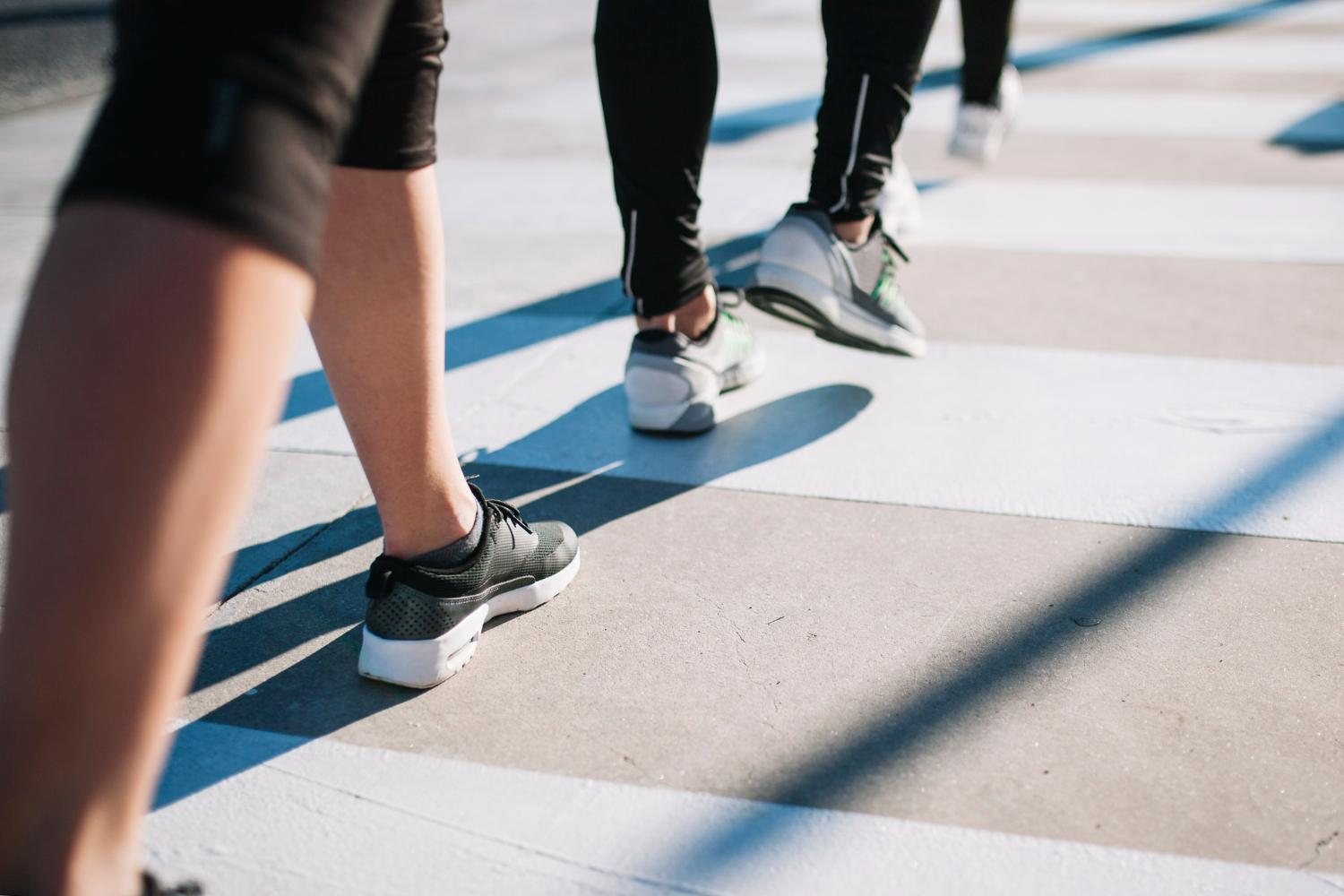
Don’t assume “no pain means healed.” Pain can disappear whilst functional deficits remain. Research recommends using validated patient-reported outcomes and functional performance tests to track real progress.
Functional monitoring includes:
- Walking distance and speed
- Stair climbing ability
- Balance and stability tests
- Ability to rise from a chair
- Sport-specific movements (for athletes)
These measurements reveal whether your knee can truly handle daily demands. Many people feel fine walking on flat ground but can’t manage stairs—that’s crucial information for safe progression. Monitoring ensures you’re actually ready before advancing your activities.
3. Learn About Your Injury and Recovery Pathway
Understanding your injury transforms recovery from passive waiting into active participation. Evidence clearly states that patient education improves outcomes significantly.
Key information to understand:
- Your specific injury type and what it means
- Why swelling persists for extended periods (normal inflammatory response)
- How rehabilitation phases work and what to expect
- Red flags requiring urgent assessment
- Realistic timelines for returning to your activities
Knowledge prevents unnecessary worry. Understanding that swelling from certain injuries persists for months is normal—without this knowledge, many people assume something has gone wrong and unnecessarily limit activity, worsening outcomes. Athletes need to understand why sport-specific training comes later in rehabilitation. Older adults need to understand why balance training prevents future falls.
The Don’ts: Mistakes That Delay Knee Injury Treatment Recovery
1. Ignore Long-Term Health Risks
Many people treat knee injury recovery as a short-term problem. Pain reduces, mobility returns, and they consider themselves healed. However, incomplete rehabilitation increases your risk of post-traumatic osteoarthritis developing later.
Current evidence specifically targets osteoarthritis prevention as a core goal. This distinguishes modern evidence-based recovery from simply treating immediate pain. An athlete who suffers a knee sports injury but doesn’t complete full rehabilitation may face joint complications years later. An older adult with a meniscus injury who avoids proper rehabilitation may face mobility limitations within years.
Long-term thinking means completing full rehabilitation despite feeling better, maintaining strength and flexibility indefinitely, monitoring knee function regularly, and addressing any new symptoms promptly.
2. Rely on Unmonitored Recovery
Self-managing without professional guidance is a common mistake. Assuming “if it doesn’t hurt, it’s fine” can mask serious functional deficits. You might feel pain-free but lack the stability or strength for safe movement.
Unmonitored recovery often leads to re-injury during return to activity, compensation patterns creating problems elsewhere, underestimation of functional deficits, and delayed identification of complications. Periodic check-ins with a physiotherapist or specialist catch problems early. They identify whether your knee can truly handle your goals or whether additional work is needed.
3. Skip Rehabilitation or Progress Too Quickly
Rushing recovery is tempting but dangerous. Returning to sport or heavy activity before your knee is ready causes re-injury. Stopping exercises early because you feel better leaves you vulnerable.
Common mistakes include returning to activity before passing functional tests, stopping exercises once pain reduces, assuming brief physiotherapy is sufficient, and believing rest alone will fix the problem. Evidence clearly shows structured, progressive rehabilitation prevents these complications.
Personalised Recovery Planning: Why One Size Doesn’t Fit All
Research identifies that effective recovery requires personalisation—recognising that generic rehabilitation fails many people.
| Factor | Athletes | Older Adults |
|---|---|---|
| Primary goal | Return to sport and activity | Independent daily living |
| Rehab focus | Functional performance and sport readiness | Fall prevention and daily mobility |
| Monitoring | Sport-specific functional tests | Stair climbing, balance, walking |
| Long-term concern | Preventing re-injury and osteoarthritis | Preventing osteoarthritis and falls |
A personalised plan considers your age, activity level, occupation, current fitness, and goals. Professional assessment matters because practitioners create plans matching your circumstances, not a generic template.
Orthokinetics’ Approach: Evidence-Based Care Tailored to Your Life
Dr. Sean Leo brings 25 years of experience managing both sports injuries and degenerative knee conditions. His approach reflects current evidence-based principles: personalised assessment, structured rehabilitation, and long-term joint preservation focus.
At Orthokinetics, your recovery plan includes detailed assessment identifying your specific needs, clear explanation of your injury and recovery pathway, structured rehabilitation matched to your goals, regular progress monitoring using functional tests, patient education supporting your understanding, and ongoing support preventing complications.
For athletes managing a knee sports injury, rehabilitation includes sport-specific progression. For older adults, it emphasises fall prevention and daily mobility. Evidence-based principles guide personalised care for every patient.
Frequently Asked Questions About Knee Injury Recovery
What should I do if my knee hurts?
The immediate response matters. If pain is sudden and severe, stop the activity causing it and rest the knee. Apply ice for 15 minutes, compress with a bandage, and keep your leg elevated. Avoid putting weight on the injured knee if pain is significant.
Monitor the next 24 to 48 hours. Swelling, inability to move the knee, or persistent pain suggests professional evaluation is needed. Don’t assume the pain will disappear on its own. Early assessment prevents complications and identifies whether you need specialist care or can manage conservatively. Contact a physiotherapist or knee specialist if pain persists beyond one week or worsens despite rest.
How long does knee injury recovery take?
Recovery time depends on injury type and rehabilitation adherence. Structured, consistent rehabilitation significantly influences outcomes. Athletes typically require longer rehabilitation than older adults for the same injury, as their goals differ—returning to sport versus returning to daily activities.
Can I recover from a knee injury without surgery?
Many injuries respond well to structured rehabilitation without surgery. Current evidence prioritises conservative, non-surgical management. Surgery becomes necessary when structural damage prevents function or rehabilitation reaches a plateau. Dr. Sean Leo assesses each case individually, recommending non-surgical approaches when evidence supports them.
Why is rehabilitation important if my knee doesn’t hurt?
Pain reduction doesn’t equal structural healing or functional restoration. Athletes often feel pain-free but lack the strength and stability for safe sport. Older adults might walk pain-free indoors but lack balance for stairs or outdoor walking. Rehabilitation addresses actual functional deficits, not just symptoms, preventing post-traumatic osteoarthritis development.
What’s the difference between treating pain and treating a knee sports injury properly?
Many people focus only on pain relief. True recovery requires addressing the underlying knee sports injury—restoring function, stability, and strength. Pain might disappear in weeks, but functional recovery takes months. This distinction matters: your knee may feel fine whilst remaining vulnerable to re-injury or long-term damage.
What should I do if early knee pain doesn’t improve with rest?
Persistent knee pain lasting beyond one week warrants professional assessment. Don’t assume rest will resolve the issue. Early intervention prevents complications and leads to faster recovery. If swelling doesn’t reduce, the knee feels unstable, or daily activities become difficult, contact a specialist immediately.
Take the First Step Toward Recovery
Don’t let knee pain control your life. Understanding how to manage knee injury in Singapore effectively requires professional guidance tailored to your specific situation.
If you’re dealing with early knee pain or recovering from recent injury:
The first step is professional assessment. Dr. Sean Leo evaluates your condition, identifies the underlying cause, and creates a structured rehabilitation plan. Early intervention often determines long-term outcomes.
If you’re an athlete recovering from a knee sports injury:
Your recovery requires sport-specific rehabilitation, progressive functional testing, and clear criteria for returning to activity. Personalised athletic recovery ensures safe return to sport without re-injury risk.
If you’re an older adult managing knee pain or recovering from falls or injury:
Recovery prioritises regaining independence, preventing future injury, and maintaining mobility. Your rehabilitation focuses on functional goals—walking independently, climbing stairs, maintaining balance.
Explore Our Other Services
Based on evidence-based knee injury recovery, you may benefit from specialist assessment or follow-up care tailored to your specific condition.
Dr Sean Leo at Orthokinetics brings over 25 years of clinical experience with a clinical focus on knee and lower limb surgery, covering everything from structured non-surgical knee treatment to ACL reconstruction, meniscus repair, and knee replacement. Every case starts with an honest, individual assessment.
- Orthosports at Novena: 38 Irrawaddy Road, #10-41, Mount Elizabeth Novena Specialist Centre, Singapore 329563. Tel: +65 6734 8168
- Orthosports at Connexion: 1 Farrer Park Station Road, #15-17 Connexion, Singapore 217562. Tel: +65 6435 0015
- WhatsApp: +65 8439 2120 | Email: appointment@orthokinetics.sg
Arrange a knee assessment at Orthokinetics

Dr Sean Leo is an orthopaedic surgeon with over 25 years of clinical experience and a subspecialty focus on knee and lower limb surgery. He manages the full spectrum of knee conditions, from structured non-surgical care to ACL reconstruction, meniscus repair, and knee replacement, with every case beginning from an honest, individual assessment.
| Disclaimer This article is for informational purposes only and does not constitute medical advice. Consult a qualified medical professional for assessment and treatment of any knee condition. |
Reference
1 Whittaker JL, Culvenor AG, Juel C, Berg B, Bricca A. OPTIKNEE 2022: consensus recommendations to optimise knee health after traumatic knee injury to prevent osteoarthritis. Br J Sports Med. 2022;56(23):1364-1372. Retrieved from British Journal of Sports Medicine