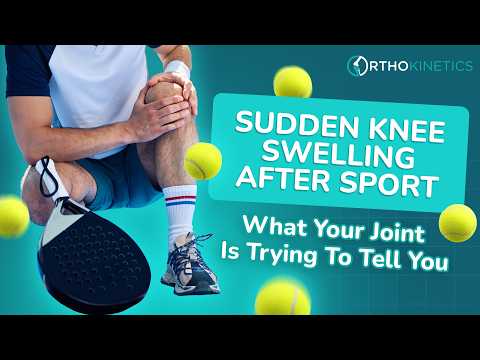
About this video
Last updated: 9 October 2026
The video says the knee has tiny fluid-filled sacs, called bursae, that cushion the joint, and that bursitis is when they become inflamed. It describes two types, one in front of the kneecap and one on the inner side of the knee, lower down.
Key points
- It describes pre-patellar bursitis as affecting the bursa right in front of the kneecap, common in people who kneel a lot, such as cleaners or gardeners.
- The video lists repeated kneeling, a direct hit to the knee, overuse (especially from running) and existing conditions such as arthritis as causes.
- It describes localised pain and swelling where the bursa is, tenderness to touch, and pain when bending and straightening the knee.
- It names rest, ice, compression and elevation (the RICE method) and over-the-counter pain relievers as at-home care.
- It says that if those are not enough, a doctor might recommend a cortisone injection, and that rarely the bursa may need draining to relieve pressure and pain.
Questions this video answers
What is knee bursitis?
The video says the knee has tiny fluid-filled sacs, called bursae, that cushion the joint, and that bursitis is when they become inflamed. It describes two types, one in front of the kneecap and one on the inner side of the knee, lower down.
What causes knee bursitis?
The video lists repeated kneeling, a direct hit to the knee, overuse especially from running, and existing conditions such as arthritis.
What care options does the video describe for knee bursitis?
It names the RICE method (rest, ice, compression, elevation) and over-the-counter pain relievers. It says a doctor might recommend a cortisone injection if those are not enough, and that in rare cases the bursa may need to be drained.