appointment@orthokinetics.sg
Emergency Call +65 8439 2120

What is MCL reconstruction surgery? MCL reconstruction surgery rebuilds your damaged medial collateral ligament using graft tissue when severe MCL tears or chronic instability haven’t healed with conservative treatment.
Your medial collateral ligament prevents your knee from buckling inward during lateral movements. When grade III MCL tears or chronic MCL injury persist despite 8-12 weeks of physiotherapy and bracing, MCL reconstruction surgery using tendon grafts may restore stability. Understanding when conservative MCL injury treatment works versus when MCL reconstruction surgery might help guide informed decisions about your knee’s stability.
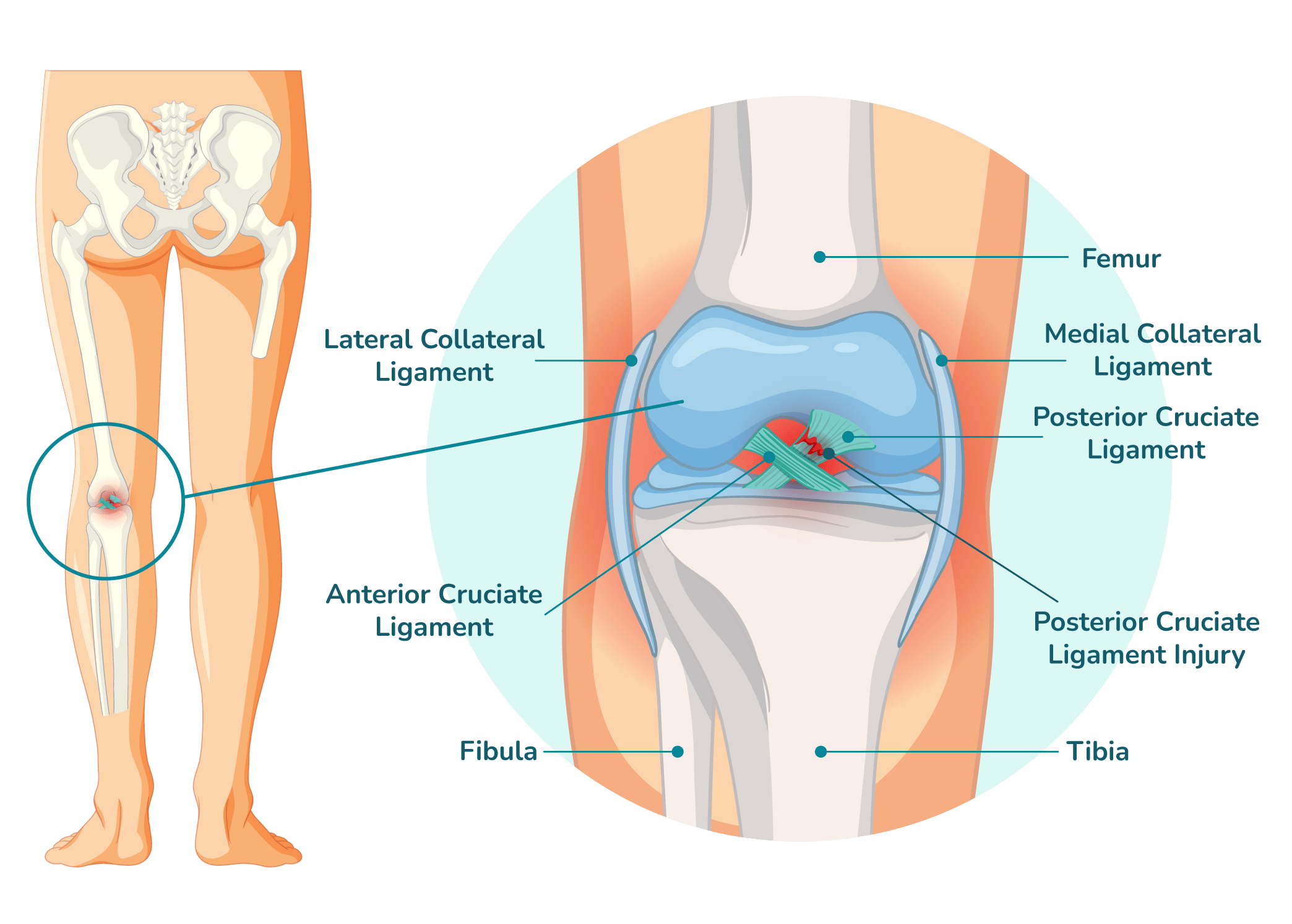
Medial Collateral Ligament (MCL) injuries are common knee injuries, especially among athletes involved in sports that require sudden changes in direction or direct contact. These injuries can vary from mild sprains to complete tears, often leading to symptoms that affect knee stability and movement.
The MCL is located along the inner side of the knee and helps prevent it from bending too far inward. When injured, it can cause discomfort and limit mobility.
Recognizing MCL injury symptoms early and consulting a knee specialist is key to determining the best course of treatment. While many cases respond well to rest and physiotherapy, severe tears may require surgical reconstruction to restore knee function.
Exploring treatment options early helps support a full and confident return to activity.
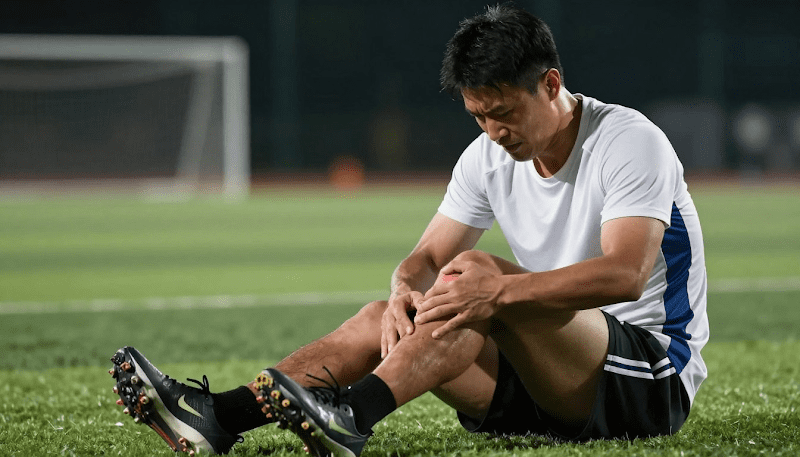
Patients often experience pain on the inner side of the knee, especially when pressure is applied to the area.
Swelling typically develops within hours of the injury, as fluid and blood accumulate in the knee joint.
Difficulty bending or straightening the knee may occur due to pain and swelling.
A feeling of instability or weakness in the knee, especially when bearing weight, is common with more severe tears.
For a complete MCL tear, surgical reconstruction may be required to restore knee stability and function. The procedure typically involves using minimally invasive techniques to repair or reconstruct the damaged ligament. In some cases, MCL tears can be managed non-surgically with bracing and physical therapy, especially for partial tears or in less active individuals.
Dr. Sean Leo specializes in advanced MCL reconstruction techniques, ensuring that each patient receives personalized care to promote optimal healing and recovery. The treatment plan will depend on factors such as the severity of the injury, activity level, age, and overall health.
A thorough evaluation by a knee specialist is essential to determine the most suitable approach for your MCL injury, ensuring the best outcome for your knee stability and mobility.
MCL injuries, especially complete tears, often require surgical intervention to restore knee stability and function. Unlike other knee ligaments, the MCL can sometimes heal on its own with rest and rehabilitation, but certain factors may indicate the need for surgery.
Surgical intervention for MCL injuries may be recommended if:
Early consultation with a knee specialist is essential to assess the injury and determine the best treatment plan to ensure optimal recovery and long-term knee health.
Recovery from MCL surgery typically takes about 6 to 9 months, with full recovery and a return to sports or intense physical activities often requiring up to 12 months. The recovery timeline can vary based on individual factors, the severity of the injury, and progress during rehabilitation.
The recovery journey generally follows these phases:
Initial phase (0-2 weeks)
Focus on pain management, reducing swelling, and regaining basic mobility.
Early rehabilitation (2-6 weeks)
Begin improving range of motion and start light strength exercises.
Intermediate phase (6-12 weeks)
Progressive strengthening exercises and balance training.
Advanced rehabilitation (3-6 months)
Focus on sport-specific exercises, improving agility and coordination.
Return to activity (6-12 months)
Gradual return to full sports participation with specific drills that simulate actual game scenarios.
Each individual’s recovery may differ, but a personalized rehabilitation plan, tailored by an experienced knee specialist, is essential for a safe and effective recovery.
MCL surgery is generally very successful, with high success rates for restoring knee stability and function. Modern surgical techniques and advancements in rehabilitation have significantly improved outcomes for patients undergoing MCL reconstruction.
Key indicators of success include:
While MCL surgery has a high success rate, as with any surgical procedure, there are potential risks and complications. Some patients may require revision surgery if the ligament does not heal as expected. Success is influenced by factors such as rehabilitation adherence, graft choice, and individual healing capacity.
Regular follow-up visits with your orthopedic specialist throughout the recovery process are essential to ensure optimal healing and long-term knee health.
Cost of procedure varies based on the complexity of the surgery to be performed and individual insurance panel specifications. These will be discussed with you by Dr Sean’s clinic staff after the consultation should you wish to proceed with surgery. The clinic staff are experienced in assisting with applications for letter of guarantees from various insurance panels and corporate insurance panels.
Factors influencing the cost include:
The choice between MCL repair and MCL reconstruction surgery depends on your injury’s timing and how well your ligament can heal. Think of it this way: repair works when your ligament can still mend itself, whilst MCL reconstruction surgery becomes necessary when the damage is beyond natural healing.
If you’ve injured your MCL recently, typically within the first few weeks, and the MCL tear is at one end where it attaches to bone, repair might be your best option. Your surgeon reattaches the torn ligament directly using small anchors, preserving your original tissue. This approach works beautifully when the ligament fibres themselves are still healthy and can knit back together with proper support.
The advantage here is simpler: you’re healing your own tissue rather than introducing graft material. Recovery often progresses slightly faster since your body recognises and repairs its native ligament, similar to how meniscus repair preserves your knee’s natural cushioning when the torn tissue has good healing potential.
MCL reconstruction surgery replaces your damaged ligament entirely with new tissue, usually taken from your hamstring tendons. This becomes necessary when your MCL has been torn for months and has stretched permanently beyond recovery, when the MCL tear is in the middle of the ligament where both ends are damaged, or when a previous repair attempt didn’t hold.
Picture it as replacing worn structural support rather than mending it. Your surgeon creates precise tunnels in your thighbone and shinbone, passes the graft tissue following your MCL’s natural path, then secures it at the right tension. Using additional radiological imaging when indicated ensures the graft sits exactly where your original ligament did during MCL reconstruction surgery, much like the precision required when performing cartilage repair to restore smooth joint surfaces in knees with damaged tissue.
Your surgeon determines the best approach by examining when your MCL injury occurred, reviewing MRI images showing tissue quality, and discussing your activity goals. A fresh MCL tear in an active 28-year-old athlete might receive repair if the tissue looks healthy, whilst a chronic MCL tear in someone who ignored MCL tear symptoms for months often needs MCL reconstruction surgery.
Understanding these differences helps you grasp why your specific MCL injury warrants one approach over another. If you’re experiencing persistent medial knee instability and wondering which path might restore the stability you need, a thorough assessment explores whether your ligament can still heal through repair or whether MCL reconstruction surgery using graft tissue would serve your knee better.
Common MCL tear symptoms include medial knee pain intensifying with sideways stress, swelling along the inner joint line, tenderness over the ligament’s course, and instability during lateral movements. MCL reconstruction surgery becomes worth considering when these MCL tear symptoms persist beyond 8-12 weeks despite physiotherapy, bracing, and activity modification. Grade III MCL tears showing significant laxity on examination sometimes benefit from MCL reconstruction surgery when conservative care hasn’t restored adequate stability. Early assessment through physical examination and MRI helps determine whether your MCL injury will heal conservatively or might benefit from surgical intervention. The earlier you address persistent MCL tear symptoms, the better your opportunity for restoring stable knee function. If you’re uncertain whether your symptoms warrant evaluation, understanding knee ligament injuries and their progression can help you recognise when professional assessment becomes valuable.
Yes, some grade III MCL tears can heal without surgery, particularly when the injury is isolated and does not involve other ligaments. Tears that occur within the mid-portion of the ligament, rather than at its attachment to the bone, often respond well to structured physiotherapy, protective bracing, and progressive rehabilitation.
However, MCL reconstruction surgery may be recommended if conservative treatment does not restore adequate stability, if multiple ligaments are injured, or if persistent instability remains despite proper rehabilitation. This is especially important in cases involving ACL tears requiring comprehensive stability restoration, where combined ligament injuries demand a more strategic surgical approach to fully restore knee function.
A detailed clinical assessment helps determine the most appropriate treatment plan. Your surgeon will evaluate the tear pattern, MRI findings, tissue quality, overall knee stability, and your activity demands to decide whether non-surgical management is sufficient or if surgical reconstruction will provide better long-term stability..
Recovery from MCL reconstruction surgery spans 6-9 months through structured phases protecting healing graft whilst restoring strength. Initial weeks emphasise protected weight-bearing and gentle motion, progressing to strengthening weeks 6-12. Most people resume normal walking by 6-8 weeks, jogging around 12-14 weeks, and receive sport clearance 6-9 months following MCL reconstruction surgery. Combined ACL-MCL reconstruction may require 9-12 months. Dedicated physiotherapy throughout directly impacts outcomes after MCL reconstruction surgery. Following proven rehabilitation protocols that support optimal recovery helps ensure your graft heals properly whilst your knee regains the function you need.
MCL reconstruction surgery costs in Singapore vary based on procedure complexity, hospital setting, graft type, and physiotherapy over 6-9 months. Most patients with corporate insurance can utilise benefits for medically necessary MCL reconstruction surgery, and Medisave helps with approved procedures. Total investment for MCL reconstruction surgery depends on associated procedures, imaging, and follow-up care. Your surgeon’s administrative staff assist with insurance pre-authorisation, obtaining coverage letters from providers, and coordinating corporate panel arrangements. They provide transparent cost discussions during consultation about MCL reconstruction surgery in Singapore.
Physiotherapy becomes essential following MCL reconstruction surgery, guiding you through 6-9 months of rehabilitation protecting graft whilst restoring function. You’ll begin gentle range-of-motion exercises within days after MCL reconstruction surgery, progressing through strengthening phases weeks 6-12. Most attend sessions 1-2 times weekly initially, transitioning to weekly visits as independence grows whilst continuing home exercises. Your physiotherapist designs programmes suited to your MCL reconstruction surgery type, whether isolated or combined with ACL reconstruction requiring comprehensive rehabilitation—your graft choice, and return-to-activity goals. The quality of your physiotherapy directly influences your MCL reconstruction surgery outcomes and return to sport timeline.
Most athletes are able to successfully return to contact sports with proper healing and dedicated rehabilitation following MCL reconstruction surgery. Clearance typically occurs around 6 to 9 months after surgery, once you demonstrate full range of motion, strength comparable to your uninvolved leg, and successful completion of sport specific functional testing.
High impact contact sports that involve tackling and unpredictable collisions require especially thorough evaluation before clearance. In cases of combined ACL and MCL reconstruction, full return to contact sports often takes 9 to 12 months. Returning too early before adequate graft maturation significantly increases the risk of reinjury.
MCL injuries typically occur through valgus forces, such as contact to the outer aspect of your knee while your foot remains planted, which is common in football, rugby, and basketball. Non contact MCL tears can develop during sudden changes in direction where the knee buckles inward, or through chronic repetitive stress from cutting and pivoting activities. Common MCL tear symptoms following these mechanisms include pain, swelling, and instability.
Risk factors include participation in contact sports, a previous MCL injury, muscle imbalances that affect knee alignment, improper landing technique, and certain structural factors. You can significantly reduce the risk of MCL injury by strengthening the quadriceps, hamstrings, and hip muscles that control alignment, practising proper landing mechanics, maintaining appropriate training loads, and addressing movement deficiencies. Similar to injury prevention strategies that protect athletes from common knee problems.
The decision depends on your MCL injury’s severity, chronicity, associated damage, and activity demands. Conservative MCL injury treatment works well for grade I-II MCL tears and some isolated grade III MCL tears, with 60-70% achieving acceptable stability through physiotherapy, bracing, and activity modification over 8-12 weeks. MCL reconstruction surgery becomes worth considering when conservative care fails to restore adequate stability after dedicated rehabilitation, when combined ACL-MCL injuries exist requiring both ligaments addressed, when chronic instability persists despite optimal conservative treatment, or when you’re a high-level athlete needing complete stability for sport participation. Comprehensive assessment including physical examination, stress testing, and MRI helps predict whether your specific MCL injury pattern will heal conservatively or might benefit from MCL reconstruction surgery in Singapore. Your surgeon examines tear location, tissue quality, healing timeframe, and your individual activity goals to guide this important decision.
Untreated severe MCL injuries or chronic MCL tears often progress to persistent instability affecting quality of life and accelerating secondary problems. Abnormal valgus laxity allowing excessive sideways knee motion creates abnormal stress on cartilage, potentially accelerating wear developing into arthritis over 5-10 years, and places your anterior cruciate ligament at increased risk for secondary injury due to altered knee mechanics. Chronic MCL instability forces compensatory movement patterns where you guard against lateral movements and gradually lose confidence during activities. Muscle atrophy develops as you limit challenging activities, creating a progressive cycle of weakening and further instability. Combined ACL-MCL injuries left unaddressed represent particularly concerning scenarios—the combined instability severely compromises function and dramatically accelerates cartilage degeneration. Early evaluation when persistent MCL tear symptoms develop gives you the best opportunity whilst joint-preserving options like MCL reconstruction surgery remain effective. Preventing knee arthritis through timely intervention becomes increasingly important as instability persists, making early assessment valuable for protecting your knee’s long-term health.
Orthokinetics provides assessment and treatment for knee ligament injuries. Dr Sean Leo offers surgical management and rehabilitation planning for MCL conditions to support your recovery. Early professional evaluation can help guide appropriate treatment and improve your return to activity.
Orthokinetics serves individuals across Singapore seeking orthopaedic care. Whether you are managing a sports related MCL tear or ongoing knee instability, the clinic provides assessment and treatment focused on knee and lower limb conditions.
Related Knee Specialist Services:
Educational Resources:
Important Medical Information: This article provides general information about MCL tears and treatment options. It does not constitute medical advice. Every knee injury is unique, requiring personalised assessment by a qualified orthopaedic specialist. If you’re experiencing knee pain or instability, contact Orthokinetics for a comprehensive evaluation tailored to your specific situation.