appointment@orthokinetics.sg
Emergency Call +65 8439 2120

Dr Sean Leo specialises in knee cap realignment surgery for recurrent dislocations and chronic instability. With 25+ years of clinical experience and subspecialty expertise in knee and lower limb surgery, he restores proper knee cap tracking using advanced minimally invasive techniques.
Knee cap surgery addresses stretched ligaments, misaligned bone geometry, or combined factors causing your instability. Allowing confident, pain-free movement again.
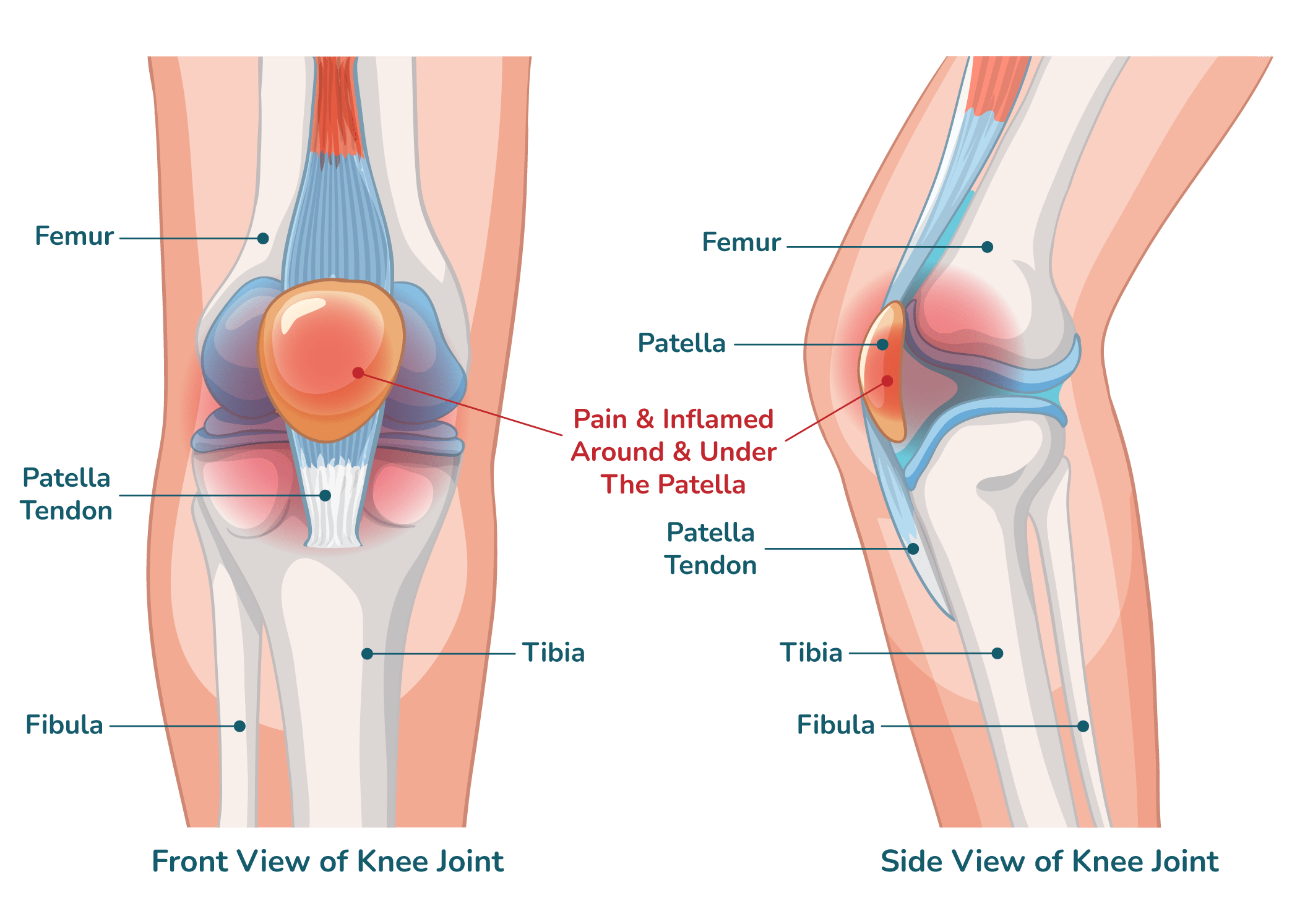
Your knee cap normally glides within a groove at the front of your thighbone just like a train on tracks.
Knee Cap Dislocation:
Complete displacement where your knee cap moves entirely out of its groove, typically to the outside of your knee. You’ll feel a pop, see visible deformity, and experience immediate pain and swelling.
Knee Cap Instability:
Recurring sensation that your knee cap is about to give way or partially slip (subluxation) without complete dislocation. This chronic instability often follows previous dislocations where supporting structures haven’t healed properly.
Common Causes:
Immediate pain is common, especially around the front of the knee, and is often followed by noticeable swelling within hours of injury.
The kneecap may appear out of place, usually shifted to the outside of the leg. The area is often tender to touch, especially along the inner and outer edges of the patella.
Bending or straightening the knee can be difficult. Many patients also report a sensation of the knee giving way or feeling unstable when walking or standing.
Treatment options for kneecap realignment are tailored to the individual’s condition, the severity of symptoms, and their activity level.
Surgical realignment procedures are often recommended for those with recurrent kneecap dislocations or structural abnormalities, such as a high-riding patella or misalignment. These may include medial patellofemoral ligament (MPFL) reconstruction or tibial tubercle transfer (TTT), which aim to restore proper kneecap tracking and reduce the risk of future dislocations. Dr. Sean Leo specializes in advanced techniques designed to improve knee stability while enhancing mobility.
For less severe cases or first-time dislocations, non-surgical treatments like physiotherapy, bracing, and activity modifications may be effective. A thorough assessment by an orthopaedic knee specialist is essential to determine the most appropriate treatment plan based on the specific needs and goals of each patient.
Kneecap realignment surgery may be recommended when conservative treatments, such as physiotherapy or bracing, are insufficient in addressing knee instability, recurrent dislocations, or misalignment of the kneecap.
Factors that suggest the need for surgical intervention include:
An early evaluation by a knee specialist can help determine if kneecap realignment surgery is the best option for restoring stability and function to the knee.
Recovery from kneecap realignment surgery typically takes 3 to 6 months, depending on the severity of the condition, the type of surgery performed, and individual healing. Following a structured rehabilitation program is key to achieving the best outcomes.
The recovery process generally follows these phases:
Initial phase (0–2 weeks)
Focuses on protecting the surgical site, managing swelling, and starting gentle movement, often with the assistance of crutches or a brace.
Early rehabilitation (2–6 weeks)
Aims to increase range of motion and begin light strengthening exercises under the guidance of a medical professional.
Intermediate phase (6–12 weeks)
Focuses on rebuilding strength, stability, and functional movement to support daily activities.
Return to activity (3–6 months)
Patients may gradually return to low-impact sports and activities as guided by their orthopedic specialist.
Close monitoring through follow-up appointments and adherence to the rehabilitation plan are essential to ensure optimal recovery and long-term knee health.
Kneecap realignment surgery generally has a high success rate, particularly for patients who are younger and more active. The outcomes largely depend on factors such as the severity of the misalignment, the patient’s age, activity level, and commitment to rehabilitation.
Key benefits of successful surgery include:
While complications like re-dislocations or the need for further surgery may arise in some cases, most patients experience long-term improvements and are able to resume their normal daily activities or return to sports.
When the right technique addresses your specific instability pattern, most people regain confident knee cap stability—research following patients for 2-10 years shows 80-90% avoid recurring dislocations and return to activities they value, whether competitive sport or comfortable daily movement.
What Influences Stability Outcomes:
Understanding Your Options:
Factors Worth Considering:
This clinical case series evaluated outcomes after soft-tissue patellofemoral stabilization procedures, including medial patellofemoral ligament (MPFL) reconstruction, in patients with recurrent kneecap dislocations. When you look at the data, the redislocation rates are notably low, especially with reconstruction techniques tailored to the individual’s anatomy. Patients reported improved stability and reliable knee cap function during follow-up, reflecting both better movement and less fear of redislocation.
Title: Patellofemoral Stabilization: Postoperative Redislocation and Risk Factors Following Surgery
Authors: (Multiple contributors — see PMC record)
Published in: Journal of Orthopaedic Surgery and Research
Publication Year: 2019
To explore how Kneecap realignment surgery reduces recurrent dislocations and improves stability, read the full PMC patellofemoral stabilization study here →
This systematic review pooled 22 studies of medial patellofemoral ligament (MPFL) reconstruction, the main surgical technique used to stabilise an unstable kneecap. The pooled redislocation rate was extremely low (around 2.44%) after MPFL reconstruction, and patient-reported knee function scores (Kujala) improved significantly into the mid-80s to high-80s range. These outcomes clearly show that, when matched to the right instability pattern, kneecap realignment surgery produces durable stability and reduced long-term kneecap redislocation.
Title: Medial Patellofemoral Ligament Reconstruction for Patellar Dislocation: A Systematic Review
Authors: Multiple contributors
Published in: American Journal of Sports Medicine
Publication Year: 2015
To see how effective MPFL reconstruction is in preventing recurrent dislocations and improving knee cap function, read the full PMC systematic review here →
In another systematic review and meta-analysis, patients undergoing isolated MPFL reconstruction for lateral kneecap dislocations had redislocation rates as low as ~2%, and around 80% returned to the same or greater level of sport or activity. Functional outcomes (e.g., Kujala scores) were also high, suggesting things are not just stable, but felt better when moving.
Title: Outcomes After Isolated Medial Patellofemoral Ligament Reconstruction for the Treatment of Recurrent Lateral Patellar Dislocations: A Systematic Review and Meta-analysis
Authors: Multiple contributors
Published in: Journal of Orthopaedic Surgery and Research
Publication Year: 2017
To review how isolated MPFL reconstruction influences kneecap stability and activity return, check the full PMC meta-analysis here →
Together, these studies show that when the right knee cap surgery technique is used to match an individual’s instability pattern, most people avoid further patellar dislocations and regain confident kneecap function whether returning to sport or everyday movement.
Kneecap realignment surgery corrects how your knee cap tracks, preventing those unsettling dislocations and restoring stable, confident movement. You’ll likely benefit when you’ve experienced two or more knee cap dislocations, have persistent instability despite physiotherapy, or possess anatomical factors like a high-riding knee cap. Common approaches include MPFL reconstruction (rebuilding the ligament that prevents your knee cap from sliding out) and tibial tubercle transfer (repositioning where your tendon attaches). The procedure addresses underlying issues like torn ligaments, misaligned bone geometry, that conservative treatment cannot resolve. Your surgeon determines which approach suits your anatomy through careful assessment and imaging.
Success rates truly reassure most patients. When the right approach matches your anatomy, 80-90% avoid redislocation and regain confident knee cap movement. MPFL reconstruction prevents recurring dislocations in 8-9 out of 10 patients with ligament injury, whilst tibial tubercle transfer achieves good-to-excellent results in 72-79% with bone malalignment. Combined procedures demonstrate superior outcomes when both soft tissue damage and bony abnormalities exist together. Studies following patients 2-10+ years confirm these encouraging knee cap surgery success rates with durable long-term stability. Optimal outcomes depend on proper patient selection, precise technique, and your dedicated adherence to rehabilitation protocols.
MPFL reconstruction rebuilds your torn ligament, restoring the natural restraint that prevents your knee cap from sliding out of its groove. This approach works beautifully for patients whose knee cap dislocation stems primarily from ligament injury rather than bone malalignment. Tibial tubercle transfer repositions where your tendon attaches, improving knee cap tracking for patients with excessive measurements or high-riding knee caps. Many people require both procedures together when combined soft tissue injury and bony malalignment contribute to instability. MPFL reconstruction allows faster recovery (6-7 months) whilst tibial tubercle transfer requires longer healing (8-9 months) due to bone repositioning.
Recovery unfolds over 6-9 months as your stabilising structures heal. Think of it as a journey back to confident, stable movement. MPFL reconstruction allows immediate walking with crutches and gentle exercises from day one, whilst tibial tubercle transfer requires strict non-weight-bearing for 6 weeks. Most people return to desk work by 2-3 months, resume jogging by 3-4 months, and receive clearance for non-contact sports by 4-6 months. Full return to competitive sports typically occurs between 6-9 months once strength testing confirms your knee cap can handle sport-specific loads safely. Close adherence to physiotherapy protocols directly impacts outcomes as patience during recovery ensures optimal healing whilst rushing risks redislocation.
Whilst kneecap realignment dramatically reduces risk, no procedure can guarantee complete elimination of future instability. Being realistic helps set proper expectations. MPFL reconstruction demonstrates 80-90% success preventing redislocation, meaning 1-2 out of 10 patients may experience recurring problems. Factors increasing risk include severe trochlear dysplasia (very shallow groove), excessive femoral rotation, and premature return to activities before tissues fully mature. Most redislocations occur within the first two years, often related to significant trauma or inadequate rehabilitation rather than surgical failure. Selecting the appropriate procedure for your anatomy and following rehabilitation protocols diligently maximise your chances of long-term stability.
Like all procedures, kneecap realignment carries specific risks worth understanding as you make this important decision. MPFL reconstruction complications include graft failure requiring revision (5-15%), patellar fracture (2-8%), infection (under 2%), and stiffness (under 5%). Tibial tubercle transfer involves bone-related considerations including delayed union (2-5%), fracture through repositioned bone (2-3%), and hardware irritation requiring screw removal (10-15%, usually a straightforward day-surgery procedure). Some temporary numbness around the incision occurs in roughly 1 in 10 patients but usually improves over 6-12 months. Most complications can be managed successfully, and understanding these possibilities helps you weigh potential benefits against risks.
Physiotherapy becomes essential to your kneecap realignment success, guiding you back to stable, confident movement and significantly reducing future dislocation risk. Structured rehabilitation begins within days with gentle exercises, progressing through strengthening, balance training, and sport-specific movements over 6-9 months. Most people attend sessions 1-2 times. weekly during the first 3 months, then transition to weekly visits as independence grows. The programme focuses on restoring motion, rebuilding strength, improving balance, and ensuring your knee cap tracks properly through its groove. Patients who diligently follow prescribed protocols achieve significantly better stability and lower redislocation rates. Think of rehabilitation as your partner in retraining your knee.
Kneecap realignment surgery costs vary based on procedure complexity, with MPFL reconstruction, tibial tubercle transfer, and combined approaches each having different requirements. Factors influencing total cost include surgical technique, hospital fees, anaesthesia, imaging, post-operative consultations, and physiotherapy programmes. Most patients with corporate health insurance can utilise benefits for medically necessary procedures, and Medisave helps with eligible knee surgeries in Singapore. Experienced staff assist with insurance pre-authorisation, coverage letters, corporate panel arrangements, and transparent cost discussions during consultation. Specific costs become clear during initial assessment after examining your knee and determining which approach best serves your long-term stability.
Yes, most patients successfully return to sports they love. About 80-100% of MPFL reconstruction patients and 70-85% of tibial tubercle transfer patients resume athletic pursuits with proper healing time. MPFL reconstruction typically allows non-contact sports by 4-5 months and full participation by 6-7 months, whilst tibial tubercle transfer requires 6-7 months for non-contact and 8-9 months for unrestricted sport. Clearance depends on meeting objective criteria: full range of motion, strength matching your other leg (within 90%), successful sport-specific movements without instability, and passing functional tests. High-impact sports involving cutting, pivoting, and jumping require longer rehabilitation and more rigorous testing than straight-line activities. Your surgeon and physiotherapist monitor milestones throughout recovery, ensuring you return when your kneecap realignment has healed sufficiently rather than risking premature return.
Knee cap instability stems from anatomical factors you’re born with (shallow groove, high-riding knee cap, loose ligaments), traumatic MPFL injury from sudden dislocation during sports, or previous dislocations that haven’t healed properly. First-time dislocations often occur during sudden twisting, direct impact, or awkward landings in sports like football, basketball, netball, and volleyball. Some individuals have genetic predispositions due to family history. You can significantly reduce risk through strengthening quadriceps and hip muscles, maintaining proper landing technique, addressing alignment issues through footwear or orthotics, and seeking early treatment after first-time dislocations. Risk factors include being female, adolescence (when growth spurts affect alignment), participation in high-risk sports, and family history. Whilst not all dislocations can be prevented, early evaluation after first dislocation allows appropriate intervention before progressive damage develops.
Untreated knee cap knee cap instability almost always worsens over time. Imagine each dislocation further stretching your MPFL and stabilising structures, making future episodes progressively easier and more frequent. Recurring dislocations create a destructive cycle where ligaments become lax, cartilage sustains repetitive trauma, and bone bruising accumulates potentially causing permanent damage. Studies show patients who don’t seek treatment after multiple dislocations develop arthritis at significantly higher rates and earlier ages. Chronic instability impacts quality of life. Forcing activity limitations, creating constant fear during routine movements, causing muscle weakness, and potentially affecting your ability to participate in sports or work. Early intervention when indicated provides your best opportunity to halt deterioration, restore confidence, and preserve cartilage before irreversible damage develops.
Comprehensive Knee Care:
Educational Resources:
