

Your Complete Journey Through ACL Reconstruction Surgery: Before, During, and After
“The pop was unmistakable—I knew immediately something was wrong.” This is how most athletes describe the moment their ACL tear changed everything. One pivoting movement, one awkward landing, and suddenly the path ahead involves terms like “ACL reconstruction surgery” and “recovery timeline.” If you’re reading this, you’ve likely experienced that distinctive ACL injury moment yourself, or perhaps you’re researching what lies ahead after diagnosis.
Understanding what to expect before and after ACL reconstruction surgery transforms anxiety into confidence. This guide walks you through each critical phase helping you prepare mentally and physically for the journey ahead.
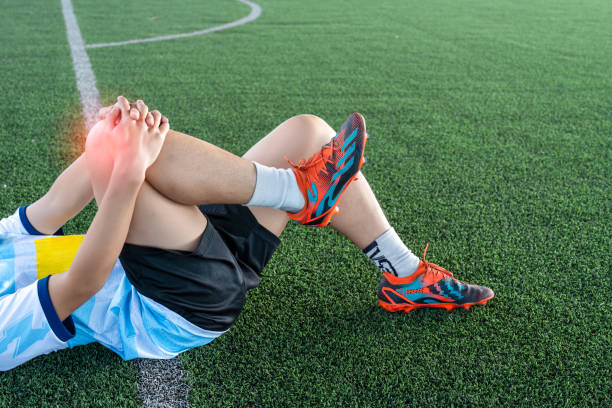
Recognizing Your ACL Tear: The Initial Signs
Common ACL Tear Symptoms to Watch For
Your body sends clear signals when an ACL injury occurs:
- Audible “pop” – 70-80% of patients hear or feel this distinctive sound
- Immediate swelling – Joint fills with blood within 2-6 hours
- Knee instability – Sensation your leg might give way
- Limited movement – Difficulty bending or straightening the knee
- Pain and tenderness – Particularly along the joint line
These ACL tear symptoms distinguish ligament injuries from simple sprains. For athletes and active adults aged 25-45 who play pivoting sports like football, basketball, tennis, or badminton, early recognition means timely evaluation and optimal ACL reconstruction surgery timing.
Does Every ACL Injury Need Surgery?
Not every ACL tear requires surgical intervention. Dr Sean Leo at Orthokinetics evaluates several factors:
- Complete versus partial tear severity
- Your activity level and sport demands
- Knee stability during functional testing
- Associated injuries (meniscus, cartilage damage)
- Age and future athletic goals
For competitive athletes and highly active individuals with complete tears, ACL reconstruction surgery typically offers the most reliable path back to unrestricted sport participation.
Explore ACL treatment options at Orthokinetics →
Preparing for ACL Reconstruction Surgery: The Pre-Operative Phase
Timing Matters: When Should Surgery Happen?
Optimal timing for ACL reconstruction surgery typically falls 3-6 weeks post-injury. This window allows:
- Acute inflammation and swelling to resolve
- Range of motion to improve through physiotherapy
- Muscle strength to be maintained
- Proper surgical planning based on complete assessment
Operating too soon increases stiffness risk; waiting too long raises the chance of secondary meniscus or cartilage damage from continued instability.
Prehabilitation: Preparing Your Body
“Prehab” before ACL reconstruction surgery significantly impacts outcomes. Your preparation should include:
➤ Physical preparation:
- Quadriceps and hamstring strengthening exercises
- Maintaining knee range of motion
- Cardiovascular fitness to support recovery
- Reducing swelling through ice and elevation
➤ Practical preparation:
- Arrange help for the first 2 weeks
- Stock up on easy-to-prepare meals
- Set up a comfortable recovery space at home
- Secure crutches and any recommended braces
➤ Mental preparation:
- Understanding realistic ACL surgery recovery time (9-12 months to sport)
- Setting milestone goals throughout recovery
- Connecting with others who’ve completed the journey
This pre-surgery groundwork builds the foundation for smoother ACL reconstruction surgery recovery.
Learn about advanced surgical techniques →
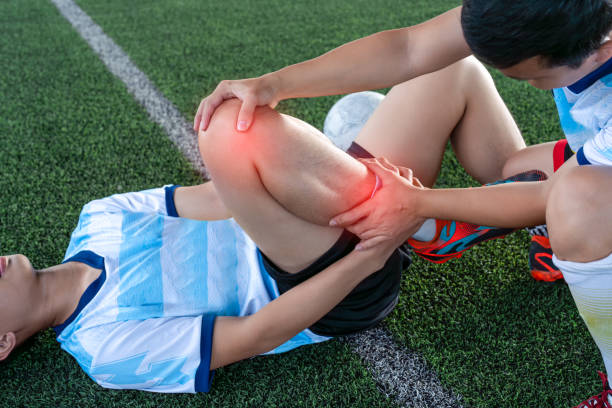
Surgery Day: What Actually Happens
The ACL Reconstruction Surgery Procedure
Picture arriving for your procedure. After meeting the anaesthesia team, you’ll discuss sedation options, typically general or spinal anaesthesia. Dr Sean Leo reviews the surgical plan, confirming graft choice suited to your activity goals:
➤ Hamstring tendon – Excellent strength, smaller incisions
➤ Patellar tendon – Traditional “gold standard” option
➤ Quadriceps tendon – Strong alternative for specific cases
The 60-90 minute procedure uses minimally invasive arthroscopy. Through small incisions, Dr Sean Leo removes the torn ACL and replaces it with precisely positioned graft tissue. Techniques are used to guide implant placement in line with anatomical considerations, supporting proper alignment.
You’ll go home after one or two night’s observation, beginning the recovery journey with clear instructions and support.
After ACL Reconstruction Surgery: The Recovery Roadmap
Phase 1: Immediate Recovery (Weeks 0-2)
➤ Focus: Protection and Early Movement
- Walk with crutches the same day (many patients surprised by early mobility)
- Manage pain through prescribed medications and ice
- Begin gentle exercises (ankle pumps, quad sets)
- Achieve full knee extension within the first week (critical!)
- First physiotherapy session within 48-72 hours
Your ACL surgery recovery time starts here, protecting the graft whilst preventing stiffness.
Phase 2: Range of Motion (Weeks 2-6)
➤ Focus: Flexibility and Basic Strength
- Transition from crutches to walking stick by week 3-4
- Restore full knee flexion (goal: 0-130°)
- Begin stationary cycling for gentle movement
- Light resistance training for surrounding muscles
- Walking patterns normalizing
The graft begins “ligamentization”, transforming into functional ligament tissue. This biological process demands patience and respect.
Phase 3: Strength Building (Weeks 6-16)
➤ Focus: Progressive Loading
- Walking independently and confidently
- Resistance training intensifies
- Single-leg balance and stability work
- Pool exercises for cardiovascular fitness
- Functional movements reintroduced
At 3 months post-ACL reconstruction surgery, you’re managing daily life normally, but sport remains months away.
Phase 4: Return to Sport (Months 4-12)
➤ Focus: Sport-Specific Training
- Months 4-6: Jogging progressions begin
- Months 6-8: Cutting, pivoting drills introduced
- Months 8-9: Formal return-to-sport testing
- Months 9-12: Gradual return to competitive play
Objective testing at 8-9 months evaluates strength symmetry, hop performance, agility, and psychological readiness, ensuring you’re genuinely prepared, not just eager.
Full return before 9 months significantly increases re-tear risk. Respecting this ACL surgery recovery time protects your long-term outcome.
Read recovery success stories →
Factors That Influence Your ACL Surgery Recovery Time
Your individual recovery depends on:
- Rehabilitation commitment – This matters most; consistent physiotherapy achieves superior outcomes
- Injury complexity – Isolated ACL tears recover faster than multi-ligament injuries
- Age and fitness – Better pre-surgery conditioning supports faster healing
- Graft selection – Different options have varying recovery characteristics
- Surgical precision – Anatomically accurate placement influences long-term function
Dr Sean Leo’s integrated approach at Orthokinetics ensures physiotherapy protocols align with surgical technique, optimizing your ACL reconstruction surgery outcome.
Your Path Forward After ACL Injury
Your ACL tear doesn’t define your athletic future. With expert evaluation, precisely performed ACL reconstruction surgery, and dedicated rehabilitation, you can return to the activities you love with renewed confidence.
At Orthokinetics, Dr Sean Leo draws on 25+ years of clinical experience and subspecialty expertise in knee and lower limb surgery to guide athletes through successful ACL reconstruction surgery outcomes. The procedure uses established surgical techniques to guide ACL reconstruction according to anatomical considerations.
If you’re experiencing ACL tear symptoms or facing decisions about your ACL injury treatment, professional assessment clarifies your optimal path. Understanding your specific situation, activity goals, and realistic ACL reconstruction surgery expectations helps you make informed choices about your athletic future.
Your knee’s stability matters. Your return to sport matters. Consider consulting with a trusted medical professional to explore how expert ACL reconstruction surgery can restore the confident movement your ACL injury has disrupted.
Schedule your consultation with Dr Sean Leo at Orthokinetics →