appointment@orthokinetics.sg
Emergency Call +65 8439 2120

With over 25 years of experience, Dr. Sean Leo specialises in minimally invasive treatment of sports injuries and joint conditions. His expert care supports faster recovery, restored mobility, and a return to peak performance.
Undergoing surgery for a sports injury can be an overwhelming experience, especially when it involves the knee. The recovery process, particularly after surgeries like the Anterior Cruciate Ligament (ACL) surgery, can be challenging and require dedicated effort. However, with the right strategies in place, it is possible to heal effectively, regain strength, and return to your favorite activities with confidence.
In this comprehensive guide, we will explore the key steps you should take in post-surgery recovery, whether you’ve had an ACL surgery or any other sports-related injury. This guide provides practical tips to ensure a smoother recovery, reduce the risk of re-injury, and get you back to action as quickly and safely as possible.
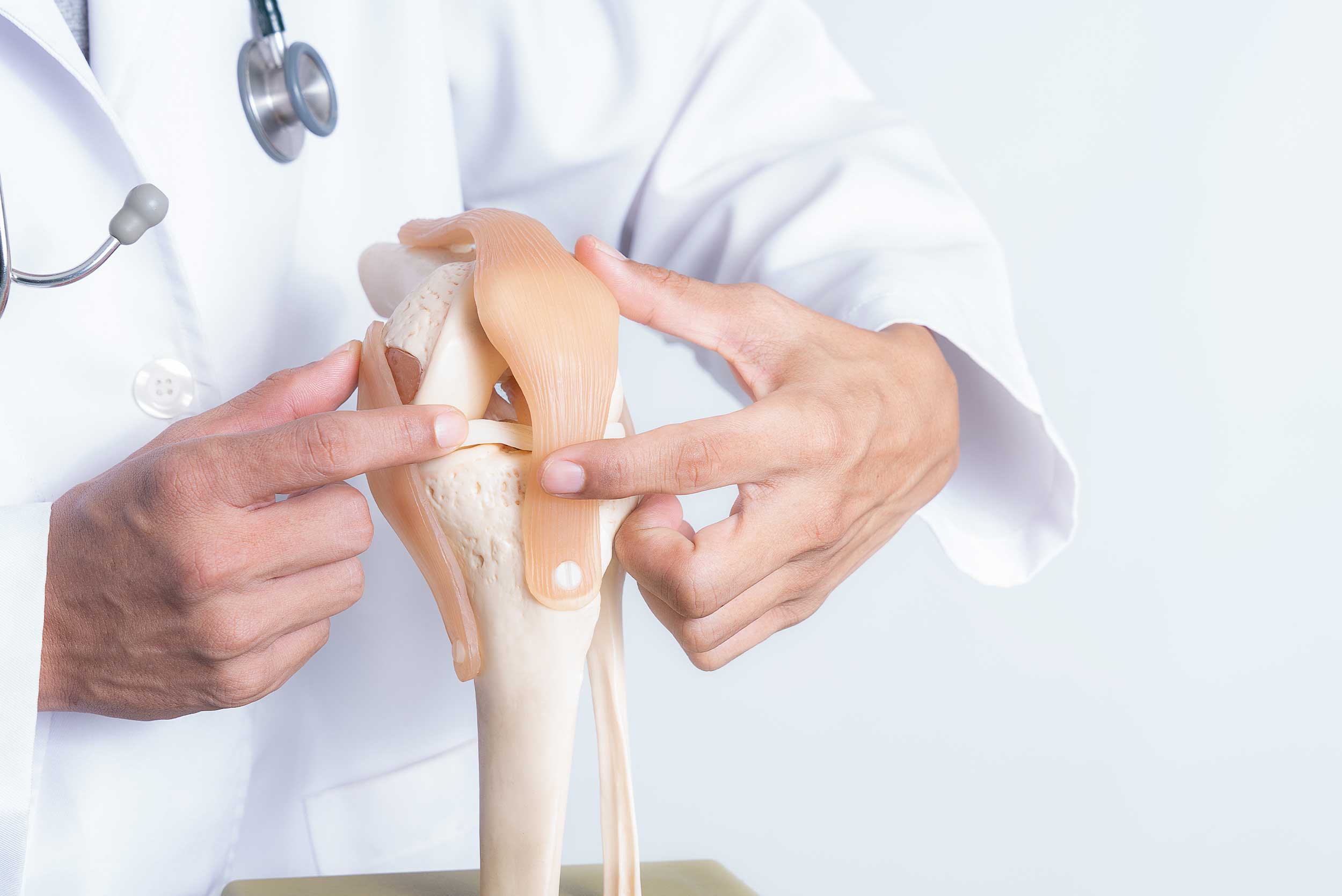
The recovery process for sports injuries can be complex and varies depending on the severity of the injury and the surgery performed. ACL surgery, for instance, is a major procedure that involves repairing or reconstructing the torn ligament, and its recovery process requires careful attention. While this guide applies to general sports injuries, ACL surgery recovery has its own specific set of challenges that need to be managed closely.
The journey includes several stages, from immediate post-surgery care to full rehabilitation and a return to physical activities. Throughout the process, you must stay patient, follow your healthcare provider\’s advice, and give your body the time and care it needs to heal properly.
Planning ahead before undergoing any surgery is essential for ensuring a smooth recovery. The better prepared you are before surgery, the more likely you are to avoid unnecessary complications and setbacks.
Pre-surgery tips:
The immediate post-surgery phase is crucial for minimizing complications and setting the foundation for a successful recovery. After any type of sports injury surgery, rest and proper care are essential to avoid re-injury and ensure a smooth healing process.
Post-surgery care tips:
Rehabilitation is one of the most important phases of recovery after sports injury surgery. Whether you’ve undergone ACL surgery or any other procedure, physical therapy (PT) will help restore strength, flexibility, and function to the injured area.
Rehabilitation strategies:
For ACL surgery, strengthening exercises should focus on rebuilding the quadriceps, hamstrings, and calves to help stabilize the knee joint.
The body requires proper nutrition to heal after surgery. A healthy, well-balanced diet is essential for supporting the recovery process, reducing inflammation, and rebuilding damaged tissues.
Nutrition tips for recovery:
Rest is vital, especially in the early stages of recovery. Overexerting yourself too soon can lead to complications, delays in healing, or even re-injury.
Rest and recovery tips:
Throughout your recovery, it’s important to keep an eye on potential complications. For ACL surgery patients and those recovering from any sports injury surgery, signs of issues should be addressed quickly to ensure proper healing.
Signs to watch out for:
After months of rest and rehabilitation, the moment you\’ve been waiting for arrives: returning to your sport or physical activity. However, it\’s critical to ease back into your routine slowly to avoid re-injury.
Tips for a safe return:
Conclusion
Recovering from surgery for a sports injury, especially something as complex as ACL surgery, requires a thoughtful and patient approach. By following the right pre-surgery preparations, adhering to rehabilitation protocols, eating a nutritious diet, and practicing rest and recovery strategies, you can successfully heal and return to activity. Remember that every recovery is unique, so work closely with your medical team to create a personalized recovery plan that will give you the best chance for a full return to your sport.
For a complete ACL tear, surgical reconstruction using a graft is often the preferred treatment to restore knee stability and function. These grafts can be autografts (taken from your own body, typically from the patellar tendon, hamstring tendon, or quadriceps tendon) or allografts (from a donor). Dr. Sean Leo specializes in advanced ACL reconstruction techniques utilizing various graft options that promote optimal healing and recovery.
Non-surgical options, including bracing and physical therapy, may be considered for partial tears or less active individuals. The appropriate treatment plan depends on factors such as injury severity, activity level, age, and overall health.
A comprehensive assessment by an experienced orthopaedic knee specialist can determine the most suitable treatment approach and graft selection for your specific ACL injury.
ACL tears typically do not heal on their own due to their position within the knee and the interference of synovial fluid, which fills the knee joint and hampers the natural healing process of the ligament.
For individuals with a complete ACL tear, especially those engaged in sports or active lifestyles, surgical intervention is often recommended. Factors that indicate surgery may be necessary include:
Early consultation with a knee specialist allows for timely intervention and optimal recovery outcomes.
ACL reconstruction recovery typically takes 6 to 9 months, with a full return to sports often requiring 9 to 12 months, depending on individual factors, sport type, and rehabilitation progress.
The recovery journey includes several phases:
Initial phase (0-2 weeks)
Pain management, swelling reduction, basic mobility.
Early rehabilitation (2-6 weeks)
Improving range of motion, beginning strength exercises.
Intermediate phase (6-12 weeks)
Progressive strengthening, improving balance.
Functional rehabilitation (3-6 months)
Functional treatment aims at getting you back to doing gentle physical activities eg. Brisk walk and jogging or cycling.
Advanced Rehabilitation (6-9 months)
Focusing on strength and agility training incorporating dynamic movements (eg. Jumps and quick direction changes like running around cones).
Return to Sports (9-12 months)
To engage in sports specific drills which condition the body as a whole for gradual return to full sports participation. Eg. Dribbling drills for soccer, footwork drills for courtgames like badminton or tennis.
ACL reconstruction surgery is generally successful, with reported success rates of 80% to 90%. Modern surgical techniques have significantly improved outcomes for patients undergoing ACL reconstruction.
Key success indicators include:
As with any surgical procedure, there is a possibility of complications, and some patients may require revision procedures. Factors affecting success include surgical technique, graft choice, patient compliance with rehabilitation, and individual healing capacity.
Regular follow-up with your orthopaedic surgeon throughout recovery helps ensure optimal outcomes.
The cost of procedure varies based on the complexity of the surgery to be performed and individual insurance panel specifications. These will be discussed with you by Dr Sean’s clinic staff after the consultation should you with to proceed with surgery. The clinic staff are experienced in assisting with applications for letter of guarantees from various insurance panels and corporate insurance panels.
Cost factors include:
Patients should consider checking insurance coverage for ACL reconstruction surgery. Many insurance plans provide coverage for this procedure when medically necessary.
Financial counseling services are available to discuss payment options and potential insurance coverage for your specific situation.
