Personalised Achilles Tendonitis Care in SingaporeHeel Pain Treatment

Pain in the back of your heel? You may have Achilles Tendonitis. Our Singapore specialist offers effective treatments to reduce inflammation and pain. Get back to your activities.
Man with short black hair and glasses wearing a dark shirt, smiling at camera.

Dr. Sean Leo

Orthopedic Surgeon Singapore
https://orthokinetics.sg/wp-content/uploads/2025/12/visual-selection-5-1-640x429.png

What is Achilles Tendonitis?

Understanding Achilles Tendonitis with Dr. Sean Leo.

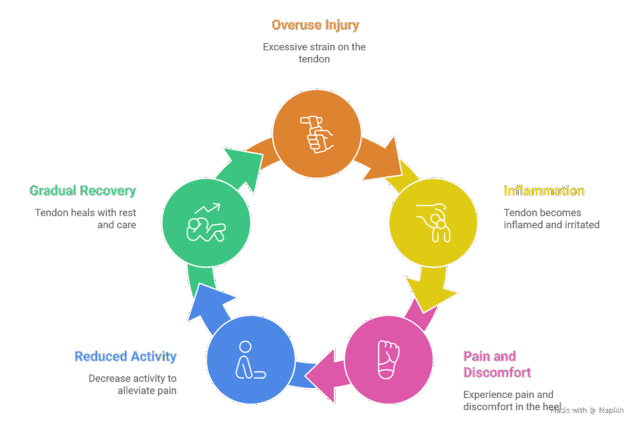
Achilles Tendonitis is an overuse injury causing inflammation and irritation of the Achilles tendon, the large band of tissue connecting your calf muscles to your heel bone. It is common in runners and weekend warriors who suddenly increase their activity’s intensity or duration.

What are the Symptoms of an Achilles Tendonitis?

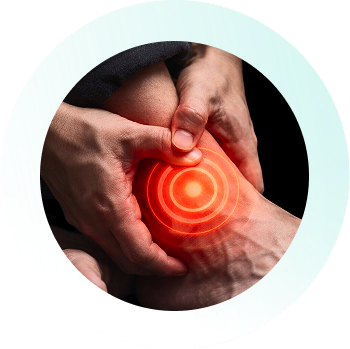
Achilles tendonitis is characterized by pain and discomfort along the Achilles tendon, which connects the calf muscles to the heel bone. One of the earliest signs is pain and stiffness in the tendon, particularly noticeable in the morning or after periods of rest. The discomfort often worsens with physical activity, such as running, jumping, or climbing stairs.
https://orthokinetics.sg/wp-content/uploads/2025/12/Group-26.png
Pain and stiffness along the Achilles tendon, especially in the morning

Many people notice that the Achilles tendon feels tight, sore, or difficult to move after sleeping or resting for a while. The discomfort often eases after a few minutes of walking.

Pain that worsens with activity

Activities that put stress on the tendon, such as running, jumping, or climbing stairs, can cause the pain to increase during movement.

Thickening of the tendon

The tendon may feel noticeably thicker or firmer than usual, which is a sign of inflammation and possible tissue changes.

Tenderness or swelling in the back of the heel

The back of the heel may be sensitive to touch, and swelling can develop around the tendon, making it uncomfortable to wear shoes or put weight on the foot.

Severe pain the day after exercising

Discomfort may intensify the day after physical activity, sometimes making it difficult to walk normally, due to micro-injuries and inflammation in the tendon.

What are the Treatment and Recovery Options?

The goal is to reduce inflammation and strengthen the tendon.
  • Non-Surgical Treatments
  • Surgical Treatments

What are the treatment options for Achilles Tendonitis?

Surgical vs Non-surgical
  • R.I.C.E.: Rest, Ice, Compression, and Elevation.
  • Physiotherapy: Eccentric strengthening exercises are highly effective.
  • Orthotics/Heel Lifts: To reduce strain on the tendon.
  • Anti-inflammatory Medications & Injections: (Used cautiously as steroid injections can weaken the tendon).

When would you need surgery?

Act Promptly for Better Outcomes
  • Rarely needed, but considered if pain persists after 6 months of conservative care. The procedure involves removing damaged tissue and repairing the tendon.

Recovery focuses on gradual strengthening and a slow return to activity to prevent recurrence.

Alleviate Your Heel Pain.

Don't let Achilles tendonitis keep you on the sidelines. Our specialist can help you heal and strengthen your tendon for a full return to activity.