Personalised Achilles Tendon Rupture Care in SingaporeAchilles Tendon Rupture Treatment

Heard a ‘pop’ in your heel? You may have an Achilles tendon rupture. Our specialist in Singapore provides urgent diagnosis and repair options to restore your walking ability.
Man with short black hair and glasses wearing a dark shirt, smiling at camera.

Dr. Sean Leo

Orthopedic Surgeon Singapore
https://orthokinetics.sg/wp-content/uploads/2025/12/What-is-an-Achilles-Tendon-Rupture_-visual-selection-1-640x350.png

What is Achilles Tendonitis Rupture?

Understanding Achilles Tendonitis Rupture with Dr. Sean Leo.

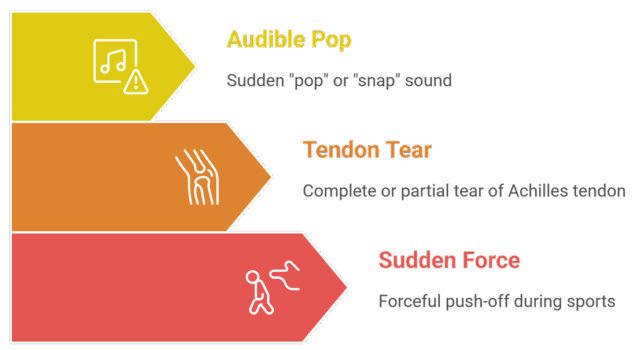
An Achilles Tendon Rupture is a severe injury involving a complete or partial tear of the Achilles tendon. It often occurs during a sudden, forceful push-off of the foot, common in sports like basketball or tennis. Patients often report feeling or hearing a sudden “pop” or “snap” in the back of their leg.

What are the Symptoms of an Achilles Tendonitis Rupture?

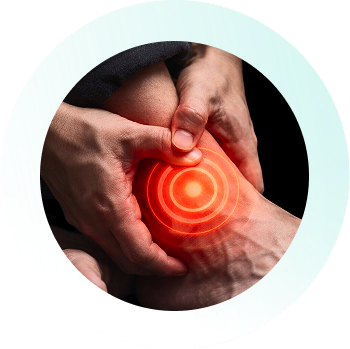
An Achilles tendon rupture usually occurs suddenly and is often associated with intense physical activity. People commonly experience a sudden, sharp pain in the back of the ankle or calf, often described as feeling like being kicked or struck in the calf. At the moment of injury, an audible “pop” or “snap” may be heard, indicating the tendon has torn.
https://orthokinetics.sg/wp-content/uploads/2025/12/Group-26.png
A sudden, sharp pain in the back of the ankle or calf

A sudden, intense pain occurs in the back of the ankle or calf, often making it difficult to move or bear weight on the leg immediately.

The sensation of being kicked in the calf

Many people describe the feeling as if someone forcefully kicked or struck the calf, even though no external contact occurred.

Audible "pop" or "snap" at the time of injury

At the moment of the rupture, a distinct popping or snapping sound may be heard, signaling the tendon has torn.

Difficulty walking, especially pushing off the ground

Walking becomes challenging, especially when trying to push off the ground, climb stairs, or run, due to loss of tendon function.

Swelling and bruising around the heel

The area around the heel and lower calf may swell and develop bruises as a result of internal bleeding and inflammation.

Inability to stand on tiptoes

The torn tendon prevents you from rising onto the toes of the affected leg, reflecting a loss of strength and stability.

What are the Treatment and Recovery Options?

The goal is to reduce inflammation and strengthen the tendon.
  • Non-Surgical Treatments
  • Surgical Treatments

What are the treatment options for Achilles Tendonitis Rupture?

Surgical vs Non-surgical
  • Involves wearing a cast or walking boot with heel lifts to allow the torn ends to heal together naturally. This is often chosen for less active individuals or partial tears.

When would you need surgery?

Act Promptly for Better Outcomes
  • Achilles Tendon Repair Surgery: The surgeon makes an incision and sutures the torn ends of the tendon back together. This is often recommended for younger, active patients to restore maximum strength and lower re-rupture rates.

Recovery will involve guided rehabilitation with physiotherapy. This usually requires a few weeks of immobilisation and crutch assisted mobilisation followed by intensive physiotherapy to regain strength, flexibility, and function.

Repair Your Ruptured Achilles Tendon.

A ruptured Achilles is a serious injury that requires care. Our specialist will guide you through the best surgical or non-surgical path to recovery