Personalised Shoulder Treatment in SingaporeShoulder Pain Treatment

Experiencing persistent shoulder pain? Find relief with personalised shoulder care from our experienced orthopaedic specialists in Singapore.

Man with short black hair and glasses wearing a dark shirt, smiling at camera.

Dr. Sean Leo

Orthopedic Surgeon Singapore
https://orthokinetics.sg/wp-content/uploads/2025/11/visual-selection-1-1-1-1280x747.png

What is Shoulder Pain?

Understanding Shoulder Pain with Dr. Sean Leo.

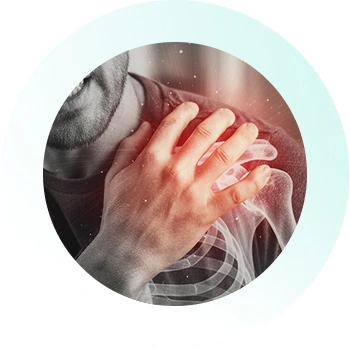
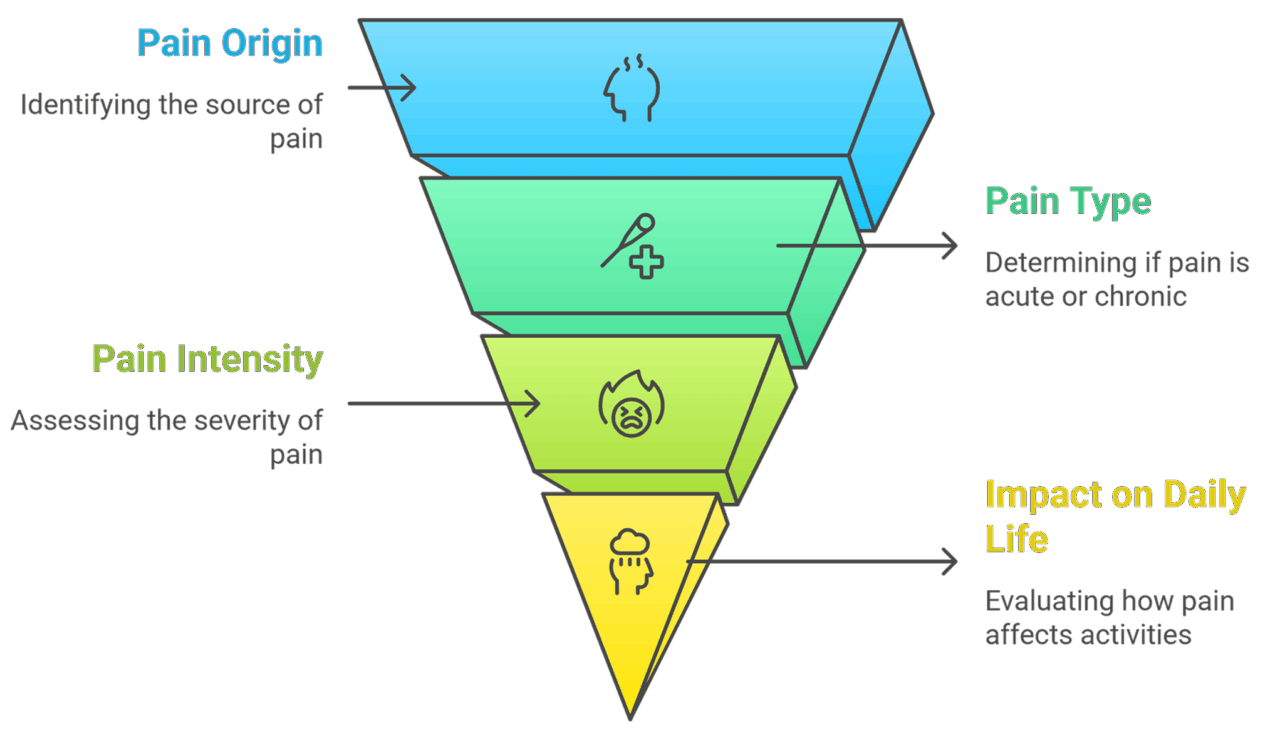
Shoulder pain is a common complaint that can originate from the joint itself or from any of the surrounding muscles, ligaments, or tendons. Pain can be acute (from a sudden injury) or chronic (developing over time). It can range from a dull ache to a sharp, stabbing sensation, significantly impacting your daily activities and sleep.

What are the Symptoms of Shoulder Pain?

Shoulder pain can present with a combination of discomfort, stiffness, weakness, and limited mobility, depending on which structures are affected.

Many people notice pain with movement, especially when lifting the arm or reaching overhead, along with sensations like popping, catching, or grinding within the joint. In some cases, swelling, tenderness, or a reduced ability to perform daily activities may also develop, signaling irritation or injury to the surrounding muscles, tendons, or cartilage.

https://orthokinetics.sg/wp-content/uploads/2025/11/shoulderpainsymptom.webp
Aching or sharp pain in the shoulder joint

This type of discomfort can result from irritation or injury to the joint structures, such as muscles, tendons, or cartilage. The pain may worsen with movement or certain activities, making normal shoulder use uncomfortable.

Pain that radiates down the arm or up into the neck

Radiating pain often occurs when nerves or surrounding tissues are inflamed or compressed. This can cause discomfort that travels beyond the shoulder, affecting nearby areas and making it difficult to pinpoint the exact source.

Weakness in the arm and shoulder

Weakness may develop when the muscles or tendons are strained or injured. This can reduce your ability to lift, push, or carry objects, and may be more noticeable during everyday tasks that require shoulder strength.

Stiffness and reduced range of motion

Stiffness and reduced range of motion can arise when the joint becomes irritated or scarred, limiting its flexibility. Over time, the shoulder may feel “locked” or tight, making simple movements like reaching behind your back or lifting your arm painful or even impossible. This restriction often comes from inflammation or adhesions within the joint capsule or surrounding tissues.

A feeling of "catching" or "grinding" (crepitus)

A feeling of “catching” or “grinding” (crepitus) often indicates that the smooth cartilage or tendons are no longer gliding freely. Instead, irregular surfaces or soft-tissue structures rub against each other, producing a crunching or popping sensation. These internal frictions signal that part of the joint architecture may be damaged, worn, or inflamed.

Inability to lift your arm or perform overhead activities

Inability to lift your arm or perform overhead activities usually reflects weakness or mechanical restriction in the shoulder. This may result from injured or torn tendons (such as the rotator cuff), inflammation, or joint degeneration. As a result, even routine tasks like reaching upwards, brushing your hair, or placing items on a shelf become difficult or painful.

Shoulder Injury
Treatment and Recovery

Treatment at OrthoKinetics begins with a precise diagnosis, which may involve a physical examination, X-rays, or an MRI scan. Our approach is always to start with the most conservative effective option.
  • Non-Surgical Treatments
  • Surgical Treatments

What are the treatment options for Shoulder injuries?

Surgical vs Non-surgical
  • Rest and activity modification 
  • Physiotherapy to strengthen shoulder muscles and improve flexibility 
  • Pain relief medications or anti-inflammatory injections 
  • Corticosteroid injections to reduce inflammation 

When would you need surgery?

Act Promptly for Better Outcomes
  • If conservative measures fail, surgery may be recommended. The type of surgery (e.g., arthroscopic surgery, rotator cuff repair) depends entirely on the diagnosed condition. Our specialist will guide you through the best procedure for your specific situation. 

Recovery is tailored to the individual and the treatment provided. It often involves a structured rehabilitation program to ensure a safe return to full function. 

Find the Cause of Your Shoulder Pain.

Stop guessing and get a clear diagnosis. Consult our shoulder pain specialist in Singapore to explore your treatment options and start your journey to recovery.