appointment@orthokinetics.sg
Emergency Call +65 8439 2120

You know the feeling. That dull ache just above your kneecap that tightens when you climb stairs and flares the moment you push off into a run. Quadriceps tendonitis is the inflammation or irritation of the tendon connecting your quadriceps muscles to the kneecap and it is one of the most common causes of anterior knee pain in active individuals. At Orthokinetics, Dr. Sean Leo brings over 25 years of clinical experience in diagnosing and treating quadriceps tendonitis and other knee conditions.
This guide covers the cause of quadriceps tendonitis, how it is diagnosed, what quadriceps tendonitis treatment involves and what to expect during recovery.
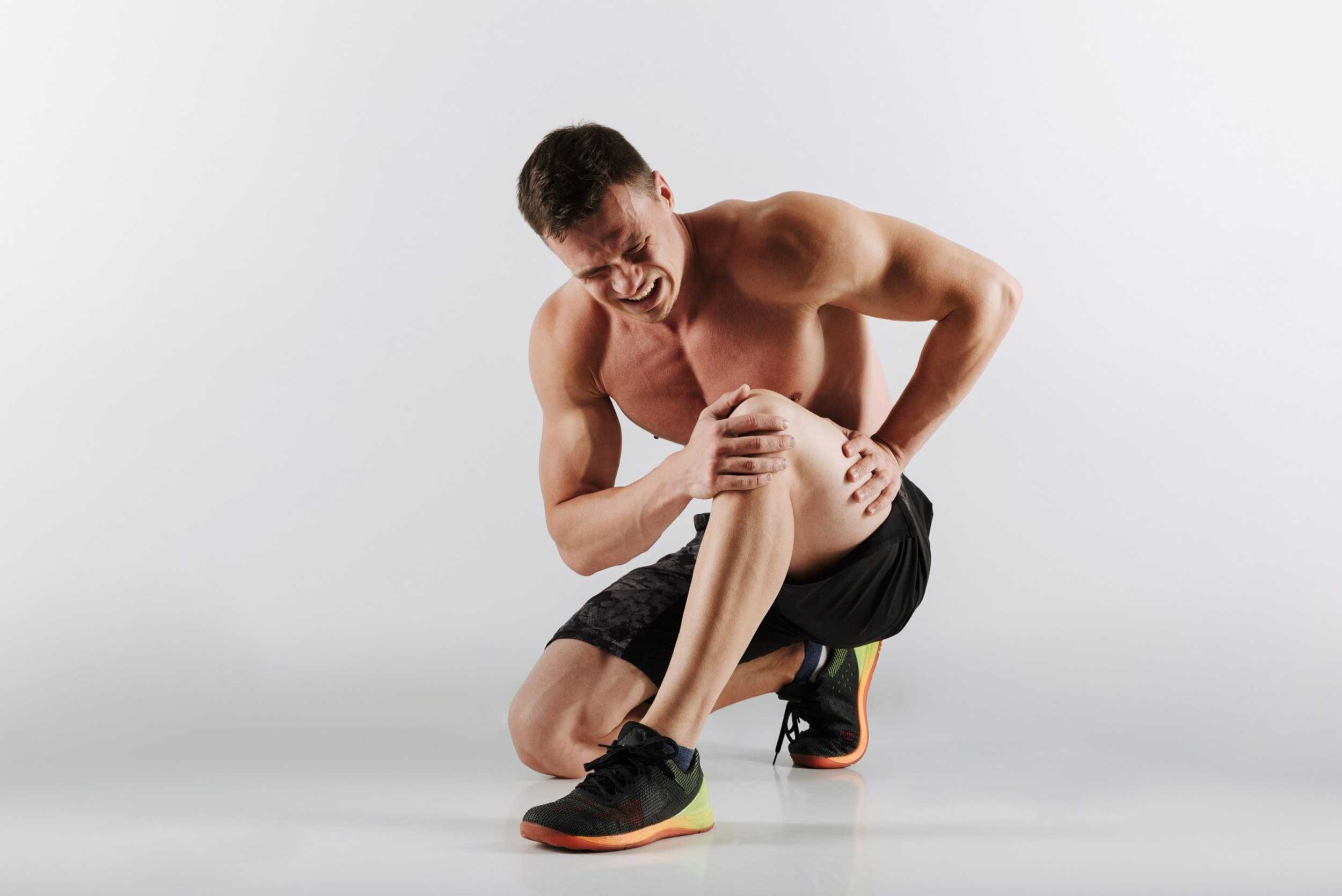
If you’re feeling knee discomfort that intensifies with activity, you may have quadriceps tendonitis. This condition occurs when the tendon connecting the quadriceps to the kneecap becomes inflamed or damaged, often due to overuse or sudden increases in physical activity. It’s common in athletes involved in sports like running, basketball, and volleyball, but can also result from poor biomechanics or muscle imbalances.
Left untreated, quadriceps tendonitis can lead to chronic pain and hinder daily activities. However, with early intervention and proper treatment, most individuals recover fully and return to their normal routine. This guide will cover the causes, symptoms, diagnosis, and treatment options for quadriceps tendonitis, as well as offer prevention tips to avoid recurrence.
Quadriceps Tendonitis refers to the inflammation or irritation of the quadriceps tendon, which connects the quadriceps muscles at the front of the thigh to the kneecap (patella). This tendon plays a key role in straightening your leg from a bent position. When overused or subjected to sudden increases in stress, it can develop small tears, leading to discomfort and functional limitations.
While patellar tendonitis, commonly known as \”jumper’s knee,\” affects the tendon below the kneecap, quadriceps tendonitis primarily affects the tendon above the kneecap. This condition is often seen in athletes, particularly those involved in high-impact sports.
Quadriceps tendonitis can affect anyone, but some individuals are more prone to developing the condition due to certain risk factors:
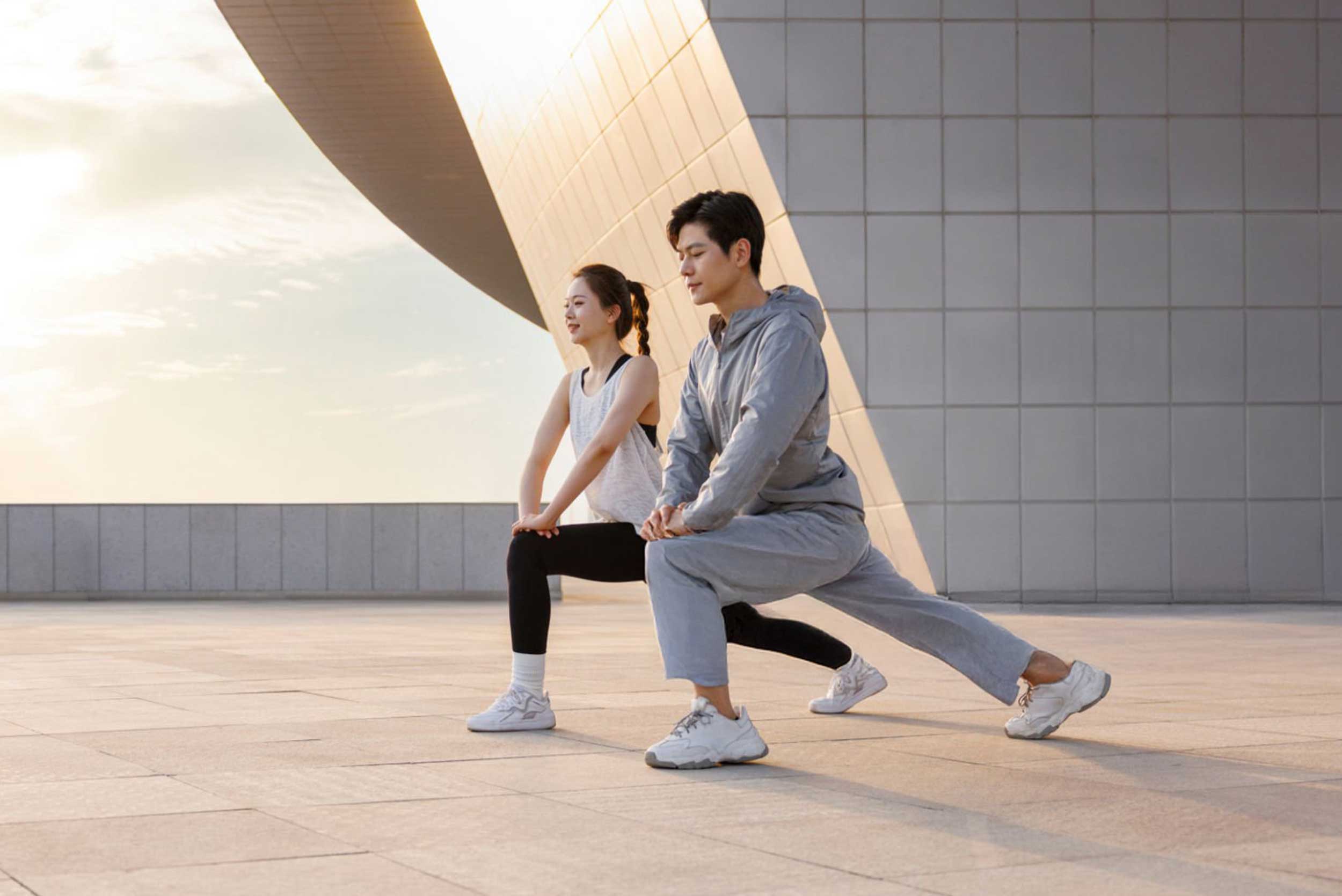
Quadriceps tendonitis typically develops due to a combination of overuse, muscle imbalances, and biomechanical issues.
Recognizing the symptoms early is crucial for prompt treatment and recovery.
If you suspect quadriceps tendonitis, taking early action can help prevent further damage and speed up recovery:
A thorough examination is essential for diagnosing quadriceps tendonitis.
Effective treatment for quadriceps tendonitis typically begins with conservative, non-invasive methods:
If conservative treatments fail, surgery may be necessary, particularly for severe or chronic cases. Surgical options include:
Recovery Time: Conservative treatments may provide relief within several weeks to months, depending on the severity of the condition. Surgical recovery typically takes 3-6 months.
Preventing Recurrence:
In cases where conservative treatments do not resolve the issue, surgery may offer long-term relief by addressing the root cause of tendon dysfunction. Restoring proper knee mechanics through surgery significantly reduces the risk of recurrence and improves function, allowing you to return to activities with minimal discomfort.
If you\’re ready to address knee discomfort, Dr. Sean Leo provides personalized care and a range of treatment options tailored to your specific needs, including advanced surgical techniques.
Don’t let knee pain impact your daily activities. Contact us today to schedule a consultation and learn more about your treatment options. Your path to recovery begins here.
For a complete ACL tear, surgical reconstruction using a graft is often the preferred treatment to restore knee stability and function. These grafts can be autografts (taken from your own body, typically from the patellar tendon, hamstring tendon, or quadriceps tendon) or allografts (from a donor). Dr. Sean Leo specializes in advanced ACL reconstruction techniques utilizing various graft options that promote optimal healing and recovery.
Non-surgical options, including bracing and physical therapy, may be considered for partial tears or less active individuals. The appropriate treatment plan depends on factors such as injury severity, activity level, age, and overall health.
A comprehensive assessment by an experienced orthopaedic knee specialist can determine the most suitable treatment approach and graft selection for your specific ACL injury.
ACL tears typically do not heal on their own due to their position within the knee and the interference of synovial fluid, which fills the knee joint and hampers the natural healing process of the ligament.
For individuals with a complete ACL tear, especially those engaged in sports or active lifestyles, surgical intervention is often recommended. Factors that indicate surgery may be necessary include:
Early consultation with a knee specialist allows for timely intervention and optimal recovery outcomes.
ACL reconstruction recovery typically takes 6 to 9 months, with a full return to sports often requiring 9 to 12 months, depending on individual factors, sport type, and rehabilitation progress.
The recovery journey includes several phases:
Initial phase (0-2 weeks)
Pain management, swelling reduction, basic mobility.
Early rehabilitation (2-6 weeks)
Improving range of motion, beginning strength exercises.
Intermediate phase (6-12 weeks)
Progressive strengthening, improving balance.
Functional rehabilitation (3-6 months)
Functional treatment aims at getting you back to doing gentle physical activities eg. Brisk walk and jogging or cycling.
Advanced Rehabilitation (6-9 months)
Focusing on strength and agility training incorporating dynamic movements (eg. Jumps and quick direction changes like running around cones).
Return to Sports (9-12 months)
To engage in sports specific drills which condition the body as a whole for gradual return to full sports participation. Eg. Dribbling drills for soccer, footwork drills for courtgames like badminton or tennis.
ACL reconstruction surgery is generally successful, with reported success rates of 80% to 90%. Modern surgical techniques have significantly improved outcomes for patients undergoing ACL reconstruction.
Key success indicators include:
As with any surgical procedure, there is a possibility of complications, and some patients may require revision procedures. Factors affecting success include surgical technique, graft choice, patient compliance with rehabilitation, and individual healing capacity.
Regular follow-up with your orthopaedic surgeon throughout recovery helps ensure optimal outcomes.
The cost of procedure varies based on the complexity of the surgery to be performed and individual insurance panel specifications. These will be discussed with you by Dr Sean’s clinic staff after the consultation should you with to proceed with surgery. The clinic staff are experienced in assisting with applications for letter of guarantees from various insurance panels and corporate insurance panels.
Cost factors include:
Patients should consider checking insurance coverage for ACL reconstruction surgery. Many insurance plans provide coverage for this procedure when medically necessary.
Financial counseling services are available to discuss payment options and potential insurance coverage for your specific situation.
The primary cause of quadriceps tendonitis is repetitive overuse of the quadriceps tendon, typically from activities involving running, jumping, squatting or kicking. When the tendon is loaded repeatedly without sufficient recovery time, micro-tears accumulate within the tendon fibres and trigger pain and inflammation. Training errors such as increasing intensity or volume too quickly, are among the most common triggers in active individuals. Biomechanical issues like flat feet, leg length differences and poor lower limb alignment also contribute to the cause of quadriceps tendonitis by altering how force is distributed across the knee. Muscle imbalances between the quadriceps, hamstrings and hip stabilisers further increase tendon strain, making the condition more likely to develop over time.
Mild quadriceps tendonitis may resolve within four to six weeks with appropriate rest, activity modification and physiotherapy. Moderate cases typically improve over six to twelve weeks when managed with a structured rehabilitation programme that includes progressive loading exercises. Chronic or severe cases, particularly those where symptoms have persisted for several months, may take three to six months of consistent quadriceps tendonitis treatment before full resolution. In rare instances requiring surgical intervention, recovery can extend to six to nine months with a comprehensive post-operative rehabilitation plan. Starting treatment early is one of the strongest predictors of a shorter recovery timeline, which is why prompt assessment matters when treating quadriceps tendonitis.
Quadriceps tendonitis is unlikely to fully resolve without some form of structured intervention. While reducing activity may ease symptoms temporarily, the underlying tendon weakness and structural changes tend to persist if left unaddressed. Without proper quadriceps tendonitis treatment including progressive loading, eccentric strengthening and flexibility work. The condition often returns once normal activity resumes. Research consistently shows that conservative management with physiotherapy produces better outcomes than rest alone, particularly in the earlier stages of the condition. A tailored rehabilitation plan guided by a physiotherapist or orthopaedic specialist remains the most effective path to lasting recovery.
Eccentric exercises such as decline squats and slow-tempo leg presses are among the most effective for treating quadriceps tendonitis, as they load the tendon in a controlled manner that stimulates healing and adaptation. Isometric holds like a sustained wall sit at 60 to 70 degrees of knee flexion, can reduce tendon pain in the early stages and serve as a useful starting point. As symptoms improve, progressive loading exercises including split squats, step-downs and heel-elevated squats gradually build the tendon’s capacity to handle greater force. Stretching the hamstrings and hip flexors addresses contributing muscle tightness, though aggressive quadriceps stretching should be avoided in the early stages as it can compress an irritated tendon against the thigh bone. A physiotherapist can design a personalised programme that matches exercise selection and intensity to the current stage of your quadriceps tendonitis treatment.
Deep squats, heavy lunges and explosive jumping movements should generally be avoided in the early and middle stages of quadriceps tendonitis recovery, as they place high compressive and tensile loads on the already irritated tendon. Running on hard surfaces can also aggravate symptoms, particularly when the tendon has not yet recovered enough capacity to absorb repetitive impact. Aggressive static stretching of the quadriceps is another common mistake like pulling the heel towards the buttock compresses the tendon against the lower thigh bone, which can increase pain rather than relieve it. High-intensity interval training and plyometric exercises should only be reintroduced in the later stages of rehabilitation, once the tendon has demonstrated tolerance to progressive loading. Working with a specialist ensures that exercise selection is matched to the stage of your recovery and prevents setbacks that could extend the healing timeline.
Quadriceps tendonitis affects the tendon above the kneecap, where the quadriceps muscles attach to the top of the patella, while patellar tendonitis affects the tendon below the kneecap, connecting the patella to the shinbone. Both conditions are caused by repetitive loading and overuse, and both are common in athletes involved in jumping and running sports. The location of pain is the most distinguishing feature. The quadriceps tendonitis produces pain and tenderness above the kneecap, whereas patellar tendonitis causes pain just below it. Treatment principles are similar for both conditions and typically involve rest, progressive loading and structured physiotherapy. However, because the biomechanical demands on each tendon differ, the specific rehabilitation exercises and their progression may vary, making an accurate diagnosis essential for effective quadriceps tendonitis treatment.
Walking is generally safe and may even be beneficial during quadriceps tendonitis recovery, as it promotes blood flow to the tendon without placing excessive load on it. Low-impact activities such as swimming, stationary cycling and water-based exercises are also well-tolerated and can help maintain cardiovascular fitness while the tendon heals. The key principle when treating quadriceps tendonitis is load management. Staying active within a pain threshold that does not worsen symptoms the following day. High-impact activities like running, jumping and heavy squatting should be reduced or temporarily avoided until the tendon’s load tolerance improves through structured rehabilitation. A useful guideline is that if pain during activity stays below a 3 out of 10 on a pain scale and settles within 24 hours, the activity level is likely appropriate.
Consider seeking a specialist assessment if your knee pain above the kneecap persists beyond two weeks despite rest and activity modification, or if the pain is limiting your ability to walk, climb stairs or exercise normally. Swelling, a sensation of knee weakness or instability, and pain that wakes you at night are also signs that warrant professional evaluation. Early diagnosis and a tailored quadriceps tendonitis treatment plan significantly improve the likelihood of a full and efficient recovery. Persistent anterior knee pain should not be dismissed, as untreated quadriceps tendonitis carries a risk of tendon deterioration that may eventually progress to a partial or complete tear. An orthopaedic assessment typically involves a physical examination and imaging studies to confirm the diagnosis and rule out other causes of anterior knee pain such as cartilage damage or kneecap tracking issues.
A knee brace or patellar strap can provide short-term symptom relief for quadriceps tendonitis by offloading some of the force transmitted through the tendon during activity. Bracing is most useful during the early stages of recovery or when returning to light physical activity, as it helps distribute stress more evenly across the knee joint. However, a knee brace alone does not address the underlying cause of quadriceps tendonitis. It should be used as a supplementary measure alongside a structured rehabilitation programme that includes strengthening and load management. Over-reliance on bracing without progressive strengthening can lead to muscle deconditioning, which may prolong recovery rather than shorten it. Your treating specialist can advise on the appropriate type and duration of brace use based on the severity of your condition.
Yes, untreated quadriceps tendonitis can progress from a manageable overuse condition to a more serious structural problem over time. Chronic inflammation and repetitive micro-damage cause the tendon to undergo degenerative changes, a condition known as tendinosis, where the tendon becomes thicker, weaker and less capable of handling load. Patients with severe quadriceps tendinopathy who do not receive treatment are at increased risk of tendon rupture. A complete quadriceps tendon tear typically requires surgical repair followed by a lengthy rehabilitation period of six months or more. This is why early intervention and consistent quadriceps tendonitis treatment are strongly recommended. Addressing the condition when it first develops significantly reduces the risk of it becoming a more complex and prolonged injury.
Reference:
¹ King, D., Yakubek, G., Chughtai, M., Khlopas, A., Saluan, P., Mont, M. A., & Genin, J. (2019). Quadriceps tendinopathy: a review, part 2 — classification, prognosis, and treatment. Annals of Translational Medicine, 7(4), 72.
Quadriceps tendonitis responds well to early, informed management. The discomfort you feel today does not have to define how you move tomorrow. With the right diagnosis, a structured treatment plan and consistent rehabilitation, most patients return to the activities they value.
At Orthokinetics, Dr. Sean Leo and his clinical team provide comprehensive assessment and personalised treatment for quadriceps tendonitis and other knee conditions. If knee pain has been limiting your movement, understanding it is the beginning of recovery.
📞 Orthokinetics — Mount Elizabeth Novena Specialist Centre, 38 Irrawaddy Road, #10-41, Singapore 329563 📱 WhatsApp: +65 8439 2120 | 📧 appointment@orthokinetics.sg